EN
EN



Advanced Heat Resistance Technology
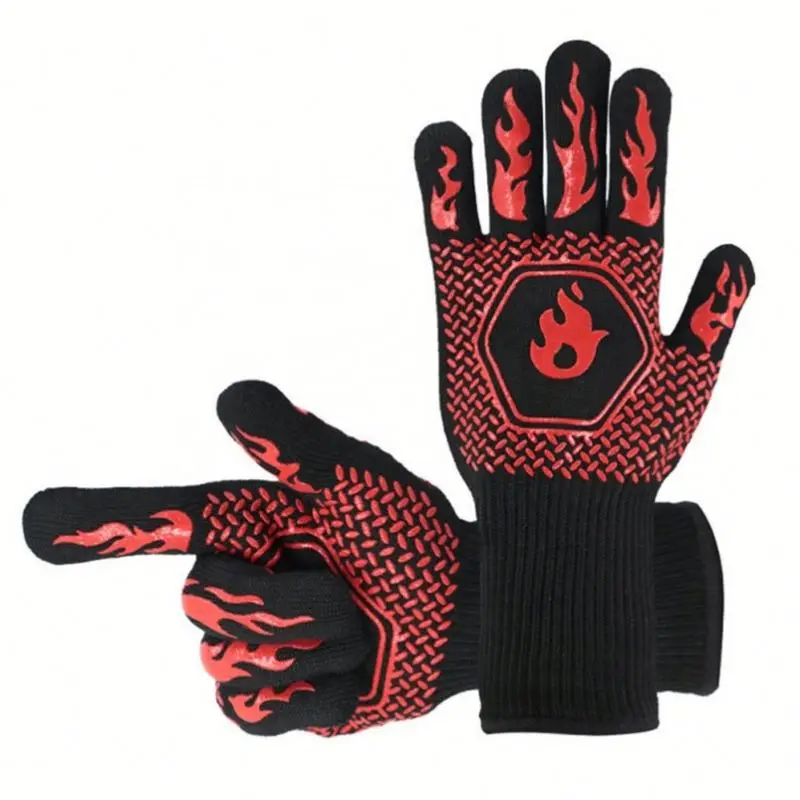
The cornerstone feature of premium charcoal BBQ gloves lies in their sophisticated heat resistance technology, which sets them apart from conventional protective wear and establishes them as essential equipment for serious outdoor cooking enthusiasts. This advanced thermal protection system incorporates multiple layers of specially engineered materials that work synergistically to create an effective barrier against extreme temperatures. The outer shell typically utilizes aramid fibers, the same material found in bulletproof vests, which provides exceptional resistance to heat, cuts, and abrasion while maintaining flexibility and comfort during use. Beneath this protective exterior, a specialized insulation layer creates a thermal barrier that prevents heat transfer to the wearer's hands, often incorporating materials like Nomex or other high-performance synthetic fibers that maintain their protective properties even after repeated exposure to extreme conditions. The inner comfort layer features moisture-wicking materials that keep hands dry and comfortable during extended use, preventing the discomfort and potential safety hazards associated with sweaty, slippery hands inside protective gloves. This multi-layer construction enables charcoal BBQ gloves to withstand direct contact with materials reaching temperatures of 932 degrees Fahrenheit or higher, far exceeding the capabilities of standard kitchen gloves or oven mitts. The importance of this advanced heat resistance cannot be overstated, as it directly impacts user safety and cooking performance in high-temperature environments. Professional pitmasters and competitive barbecue teams rely on this technology to handle burning charcoal, adjust smoker components, and manipulate cooking surfaces without interruption, enabling them to maintain optimal cooking conditions throughout long smoking sessions. For home users, this technology provides the confidence needed to explore advanced cooking techniques such as direct grilling over extremely hot coals, handling cast iron cookware at peak temperatures, and managing wood-fired cooking setups that would otherwise be too dangerous to approach without proper protection.