EN
EN



Revolutionary Easy-Release Technology
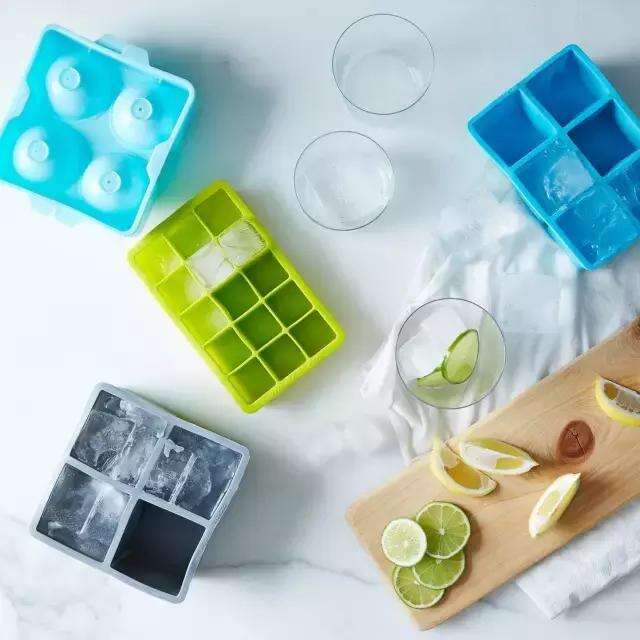
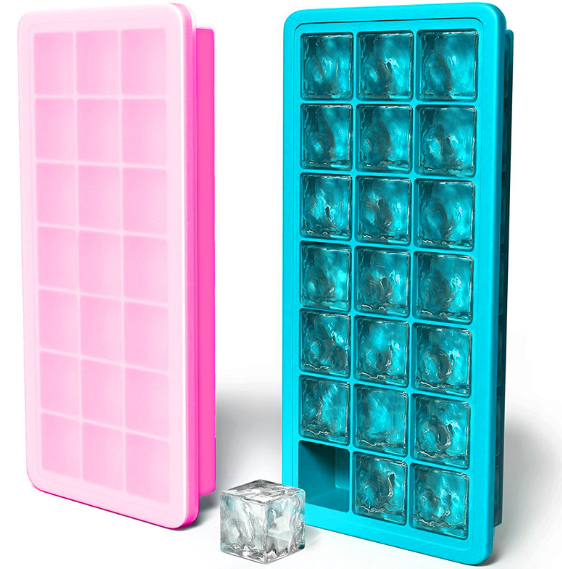
The breakthrough easy-release technology incorporated into flexible silicone ice cube trays represents a paradigm shift in ice-making convenience that addresses the most common frustrations experienced with traditional ice cube production methods. This innovative feature stems from the unique molecular structure of food-grade silicone materials that create an naturally non-adhesive surface between frozen water and the tray compartments. The flexible nature of silicone allows each individual cube compartment to bend and flex during the removal process, effectively breaking the bond between ice and tray without requiring excessive force or potentially damaging manipulation techniques. Users can extract single ice cubes or multiple cubes simultaneously by applying gentle pressure to the flexible bottom surface of each compartment, causing the silicone to deform slightly and release the frozen contents cleanly and completely. This technology eliminates the need for running water over trays, waiting for partial melting, or using tools to pry stubborn ice cubes from rigid containers. The consistent performance of this easy-release system maintains effectiveness even after hundreds of freeze-thaw cycles, as the silicone material retains its flexibility and non-stick properties throughout extended use periods. Professional bartenders and commercial establishments particularly value this technology for its speed and reliability during high-volume ice production scenarios where efficiency directly impacts service quality and customer satisfaction. The psychological benefit of frustration-free ice removal cannot be understated, as users experience immediate satisfaction and convenience that transforms a previously tedious kitchen task into an effortless routine activity. This revolutionary technology also preserves ice cube structural integrity by eliminating the cracking, chipping, and deformation that commonly occurs when ice cubes are forcefully extracted from rigid containers using traditional methods.