
 EN
EN



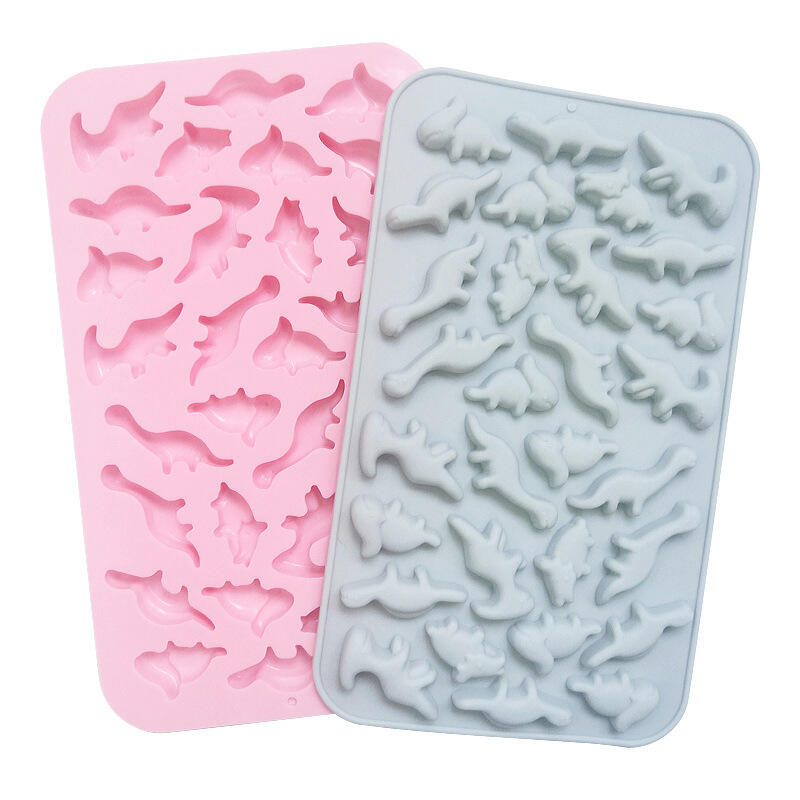
Selecting the right cake mold manufacturer is a critical decision that directly impacts product quality, production efficiency, and long-term business profitability. Whether you operate a commercial bakery, manage a retail kitchenware brand, or source supplies for food service operations, the manufacturer you partner with determines the consistency, durability, and safety of every cake mold that reaches your production line. The wrong choice can lead to defective products, supply chain disruptions, compliance failures, and damage to your brand reputation. Understanding the criteria that distinguish exceptional manufacturers from mediocre suppliers enables businesses to build reliable partnerships that support growth and operational excellence.

The global baking industry continues to expand, driven by rising consumer demand for specialty desserts, artisan bakery products, and home baking supplies. This growth intensifies competition among cake mold suppliers, making it increasingly difficult to identify manufacturers who deliver genuine value beyond low pricing. A strategic approach to manufacturer selection involves evaluating production capabilities, material expertise, quality control systems, regulatory compliance, and post-sale support. This comprehensive assessment ensures your chosen partner can meet current needs while adapting to future product innovations and market shifts. The following sections provide actionable guidance for making informed manufacturer selection decisions that align with your specific business requirements and quality standards.
Understanding Manufacturing Capabilities and Production Scale
Assessing Production Capacity and Order Flexibility
Production capacity directly determines whether a cake mold manufacturer can fulfill your order volumes consistently without compromising delivery schedules. Evaluate the factory's existing production lines, equipment specifications, and workforce size to understand their throughput potential. A manufacturer operating multiple production lines with modern molding machinery demonstrates the infrastructure necessary for handling both small trial orders and large-scale commercial contracts. Request detailed information about their average lead times, minimum order quantities, and capacity utilization rates to assess whether they can accommodate your growth trajectory without bottlenecks.
Order flexibility becomes particularly important for businesses experiencing seasonal demand fluctuations or testing new product concepts. Manufacturers with rigid minimum order requirements or inflexible production schedules may not align with businesses requiring adaptive supply arrangements. The ideal partner maintains sufficient capacity reserves to handle order increases during peak seasons while offering reasonable minimums for initial product testing. This balance ensures you can respond to market opportunities without excessive inventory risk or supply constraints that limit competitive responsiveness.
Evaluating Tooling and Mold Design Expertise
The technical sophistication of tooling and mold design capabilities separates exceptional manufacturers from basic suppliers. Advanced cake mold manufacturers maintain in-house design teams equipped with CAD software and prototyping facilities that can translate concept sketches into production-ready molds. This internal expertise enables rapid design iteration, customization support, and problem-solving during product development phases. Manufacturers lacking these capabilities often outsource design work, creating communication delays and limiting their ability to optimize mold geometry for specific baking applications.
Examine the manufacturer's portfolio of existing cake mold designs to assess their understanding of functional geometry, release characteristics, and thermal performance. Well-designed molds incorporate features like draft angles for easy product removal, uniform wall thickness for consistent heat distribution, and reinforced edges for structural durability. Manufacturers who demonstrate thoughtful design principles in their standard products are more likely to deliver successful custom solutions. Request case studies or samples showing how they've addressed specific design challenges, such as intricate pattern details, multi-cavity configurations, or specialized materials for extreme temperature applications.
Reviewing Material Sourcing and Quality Standards
Material quality fundamentally determines the performance, safety, and longevity of every cake mold produced. Reputable manufacturers establish relationships with certified raw material suppliers and maintain transparent documentation of material specifications, test reports, and regulatory compliance certificates. For silicone cake molds, verify that materials meet FDA food-contact standards or equivalent European regulations. Metal cake mold manufacturers should provide documentation confirming aluminum alloys or steel grades comply with food safety requirements and contain no harmful coatings or finishes.
Request material data sheets and third-party testing reports that confirm composition, temperature resistance, and migration limits for substances that could transfer to baked goods. Manufacturers who readily provide this documentation demonstrate commitment to transparency and regulatory compliance. Those who hesitate or provide vague assurances about material quality may cut corners that expose your business to product recalls or liability issues. Additionally, assess whether the manufacturer conducts regular quality audits of their material suppliers to ensure consistency across production batches, preventing quality variations that could affect your finished products.
Quality Control Systems and Testing Protocols
Examining In-Process Quality Monitoring
Comprehensive quality control begins during manufacturing rather than after production completion. Leading cake mold manufacturers implement in-process monitoring at critical production stages, including material mixing, molding temperature control, curing cycles, and dimensional verification. These checkpoints identify defects early when corrections are most cost-effective, preventing defective products from reaching final inspection stages. Request detailed information about their quality control plan, including specific parameters monitored, inspection frequency, and corrective action procedures when specifications are not met.
Statistical process control methods indicate a manufacturer's commitment to consistent quality. Factories that track quality metrics over time, analyze variation patterns, and implement continuous improvement initiatives deliver more reliable products than those relying solely on final visual inspections. Ask potential manufacturers about their defect rates, customer return percentages, and quality trend analysis practices. Manufacturers who openly share quality performance data and discuss improvement initiatives demonstrate accountability and process maturity that translates to fewer quality issues in your supply chain.
Verifying Testing Equipment and Certification
Modern testing equipment enables objective quality verification that subjective visual inspection cannot achieve. Professional cake mold manufacturers maintain testing laboratories equipped with instruments for dimensional measurement, material hardness testing, temperature resistance verification, and food safety screening. Coordinate testing equipment ensures molds meet dimensional tolerances critical for consistent baking results, while spectroscopy or chemical analysis equipment verifies material purity and composition. Tour the facility if possible to observe testing equipment firsthand and assess whether it appears well-maintained and regularly calibrated.
Quality certifications provide third-party validation of manufacturing standards and processes. ISO 9001 certification indicates established quality management systems, while food safety certifications like BRCGS or FSSC 22000 demonstrate commitment to hygienic manufacturing practices appropriate for food-contact products. However, certifications alone do not guarantee quality if not actively implemented. Verify that the manufacturer conducts regular internal audits, maintains current certification documentation, and addresses audit findings through corrective action plans. The combination of proper testing equipment and recognized certifications signals a manufacturer's capability to deliver consistent quality aligned with international standards.
Understanding Sampling and Acceptance Criteria
Pre-production samples and acceptance testing protocols clarify quality expectations before committing to large production runs. Establish clear acceptance criteria for critical characteristics including dimensional accuracy, surface finish, material consistency, and functional performance. Request pre-production samples that undergo the same manufacturing processes as full production runs rather than hand-crafted prototypes that may not represent actual production quality. Test these samples under real baking conditions to verify release properties, heat distribution, and durability through multiple use cycles.
Define sampling plans for production shipments that balance inspection costs against risk tolerance. Statistically valid sampling methods, such as those outlined in ISO 2859 standards, provide confidence in lot quality without inspecting every unit. Discuss acceptable quality levels with potential manufacturers to ensure their quality expectations align with your requirements. Manufacturers experienced in serving quality-conscious customers will understand these concepts and work collaboratively to establish appropriate inspection protocols. Those unfamiliar with structured sampling approaches may lack the quality maturity necessary for consistent performance.
Regulatory Compliance and Safety Standards
Navigating Food Contact Material Regulations
Food safety regulations governing cake mold materials vary by market but universally require that products do not transfer harmful substances to food during normal use conditions. In the United States, FDA regulations under 21 CFR outline requirements for food-contact substances, while European markets follow Framework Regulation EC No 1935/2004 and specific measures for different material types. Manufacturers serving international markets must understand these regional differences and provide documentation proving compliance with applicable standards for your target markets.
Request migration testing reports demonstrating that cake mold materials do not release substances exceeding regulatory limits when exposed to food simulants under worst-case temperature and contact time conditions. These tests should be conducted by accredited third-party laboratories using standardized methods recognized by regulatory authorities. Manufacturers who conduct their own testing without independent verification may present biased or incomplete results. Additionally, verify that colorants, additives, and processing aids used in cake mold production appear on approved substance lists for food contact applications, as unapproved substances can trigger regulatory violations regardless of migration test results.
Confirming Product Safety Certifications
Product safety certifications from recognized testing organizations provide market access and consumer confidence. LFGB certification, required for food-contact products sold in Germany and widely accepted throughout Europe, verifies compliance with German food law requirements. Similarly, California Proposition 65 compliance is essential for U.S. markets, ensuring products do not contain listed chemicals at levels requiring consumer warnings. Manufacturers targeting specific markets should hold relevant certifications or demonstrate willingness to obtain them before production begins.
Beyond mandatory certifications, voluntary standards like CPSIA compliance for children's baking products or BPA-free verification provide additional quality signals. While not legally required for all cake mold applications, these certifications appeal to health-conscious consumers and differentiate premium product lines. Evaluate whether potential manufacturers maintain current certifications and factor testing costs into their pricing structure. Manufacturers who view certifications as necessary business investments rather than optional expenses demonstrate commitment to market access and regulatory compliance that protects your brand reputation.
Addressing Intellectual Property and Trademark Protection
Intellectual property considerations become critical when developing custom cake mold designs or licensing branded products. Ensure manufacturing agreements include clear provisions protecting your design rights, confidential information, and trademark usage. Reputable manufacturers respect intellectual property boundaries and implement controls preventing unauthorized production or design disclosure to competitors. Request information about their confidentiality practices, employee training on IP protection, and physical security measures preventing unauthorized access to proprietary tooling or design files.
Conversely, verify that manufacturers have rights to produce any standard designs they offer, particularly those resembling popular characters or branded items. Manufacturers selling cake molds featuring unlicensed intellectual property expose buyers to legal liability when those products reach the market. Request written confirmation that they own design rights or hold valid licenses for any trademarked or copyrighted elements. This due diligence protects your business from costly infringement claims and potential product seizures at customs if intellectual property violations are discovered during importation.
Supply Chain Reliability and Business Stability
Analyzing Financial Stability and Business History
Long-term supplier relationships require financially stable manufacturing partners capable of weathering economic fluctuations without compromising service quality. Research the manufacturer's business history, ownership structure, and financial standing to assess their stability and commitment to ongoing operations. Companies with extensive operating histories and consistent management teams typically provide more reliable partnerships than newly established operations or those experiencing frequent ownership changes. Request references from long-term customers who can speak to their consistency, problem resolution, and relationship management over multiple years.
Financial distress signals like delayed payments to raw material suppliers, reduced quality control staffing, or deferred facility maintenance indicate potential supply chain risks. While detailed financial statements may not be available, observable indicators during factory visits reveal operational health. Well-maintained facilities, modern equipment, organized inventory management, and satisfied employees suggest sound business operations. Conversely, deferred maintenance, outdated machinery, or stressed working conditions may indicate financial pressures that eventually impact product quality or delivery reliability.
Evaluating Communication and Responsiveness
Effective communication forms the foundation of successful manufacturing partnerships. Assess potential manufacturers' responsiveness during initial inquiries, clarity of technical communication, and willingness to address questions thoroughly. Manufacturers who respond promptly with detailed information and proactively clarify requirements demonstrate customer service orientation that extends throughout the relationship. Those providing vague responses, avoiding specific questions, or pressuring quick decisions without adequate information may create frustration and misunderstandings during production.
Language capabilities and time zone alignment affect communication efficiency, particularly for international sourcing relationships. Manufacturers serving global markets typically employ English-speaking sales and technical staff who understand international business practices. However, verify that technical specifications and quality requirements are clearly understood rather than simply acknowledged. Request written confirmation of critical specifications and acceptance criteria to prevent misunderstandings that emerge during production. Manufacturers who document agreements carefully and confirm understanding through detailed written communication minimize costly mistakes and rework.
Assessing Supply Chain Management and Contingency Planning
Robust supply chain management ensures consistent cake mold availability despite disruptions affecting raw materials, transportation, or manufacturing capacity. Evaluate how manufacturers manage material inventory, backup suppliers, and production scheduling to mitigate common supply chain risks. Those maintaining safety stock of critical materials and cultivating relationships with multiple raw material suppliers demonstrate risk awareness and preparedness for supply disruptions. Single-source dependencies and just-in-time inventory approaches, while cost-efficient under normal conditions, create vulnerability during supply shocks.
Request information about the manufacturer's business continuity planning and disaster recovery capabilities. How would they respond to equipment failures, facility damage, or transportation disruptions? Manufacturers with documented contingency plans, backup production capacity, or mutual assistance agreements with partner facilities show preparedness that protects your supply chain. Additionally, discuss their experience managing pandemic-related disruptions, raw material price volatility, or logistics challenges. Their responses reveal whether they proactively manage risks or reactively scramble when disruptions occur, directly affecting your operational stability.
Cost Structure and Value Proposition
Understanding Total Cost of Ownership
Purchase price represents only one component of total cost when selecting a cake mold manufacturer. Comprehensive cost analysis includes tooling expenses, sampling fees, quality-related costs like inspection or rework, logistics expenses, inventory carrying costs, and potential costs from quality failures or supply disruptions. A manufacturer offering lower unit prices but charging excessive tooling fees, requiring large minimum orders that tie up capital, or delivering inconsistent quality requiring extensive inspection may prove more expensive than higher-priced alternatives with superior reliability.
Calculate landed costs including shipping, customs duties, and handling expenses when comparing domestic versus international manufacturers. While offshore production often provides lower unit costs, extended lead times require larger safety stock inventory, increasing carrying costs and reducing responsiveness to market changes. Additionally, factor warranty coverage and product liability considerations into cost comparisons. Manufacturers standing behind their products with reasonable warranty terms and maintaining adequate liability insurance reduce your financial risk from defective products, providing value beyond unit pricing.
Evaluating Pricing Transparency and Payment Terms
Transparent pricing structures with clearly itemized costs for materials, tooling, production, and any additional services enable accurate budgeting and cost management. Request detailed quotations breaking down cost components rather than accepting single lump-sum prices that obscure where expenses occur. This transparency facilitates negotiations targeting specific cost drivers and helps identify where design modifications or volume changes most significantly impact pricing. Manufacturers confident in their value proposition willingly provide detailed cost breakdowns, while those offering only total prices may hide excessive margins or unrealistic cost assumptions.
Payment terms significantly impact cash flow and project financing requirements. Standard terms might include deposit payments for tooling development, partial payment before production, and balance payment upon shipment or delivery. Evaluate whether proposed terms align with your cash flow patterns and risk tolerance. Manufacturers requiring full payment before shipment assume no risk, while those accepting partial deposits and final payment upon delivery share performance risk with buyers. Letters of credit or escrow arrangements provide security for international transactions, protecting both parties while ensuring payment upon satisfactory delivery. Discuss payment flexibility during negotiations to establish mutually beneficial terms supporting long-term partnership rather than transactional relationships.
Recognizing Value-Added Services and Support
Value-added services differentiate full-service manufacturing partners from basic production suppliers. Services like design assistance, material selection consultation, packaging development, and marketing support accelerate product launches and improve market success rates. Manufacturers offering these capabilities become collaborative partners contributing to product success rather than mere order fulfillment services. Evaluate what additional support each potential manufacturer provides and how these services align with your internal capabilities and resource constraints.
After-sales support including product training, usage guidelines, warranty service, and technical troubleshooting enhances the value of manufacturer relationships. Suppliers who view their responsibility ending at shipment create burden on your customer service teams when end-users encounter questions or issues. Conversely, manufacturers providing comprehensive product information, responsive technical support, and fair warranty claims handling reduce your support costs while improving customer satisfaction. When evaluating cost, consider the value of support services that reduce your internal resource requirements and improve overall product success.
FAQ
What certifications should a cake mold manufacturer have?
Essential certifications vary by market but typically include ISO 9001 for quality management systems and food safety certifications like FDA registration for U.S. markets or LFGB certification for European markets. Material-specific certifications such as REACH compliance for chemical substances and RoHS for restricted materials may apply depending on product composition. Additionally, voluntary certifications like BPA-free verification or Proposition 65 compliance provide extra assurance for health-conscious consumers. Always request current certification documents and verify their validity through issuing organizations rather than relying solely on manufacturer claims.
How long does tooling development typically take for custom cake molds?
Tooling development timelines depend on design complexity, manufacturer workload, and approval processes but typically range from four to eight weeks for standard custom designs. Simple modifications to existing mold patterns may require only two to three weeks, while intricate multi-cavity designs or complex geometries can extend to ten or twelve weeks. Factor in additional time for design revisions, sample production, and testing before final tooling approval. Establish clear milestone schedules with your manufacturer including design finalization dates, first sample delivery, and production tooling completion to ensure alignment with your product launch timeline.
What minimum order quantities should I expect from cake mold manufacturers?
Minimum order quantities vary significantly based on production methods, material types, and manufacturer capabilities. Silicone cake mold manufacturers using compression molding typically require minimums of 500 to 2,000 units per design to justify tooling and setup costs. Metal cake mold producers may accept smaller minimums of 200 to 500 units depending on stamping or forming equipment. Some manufacturers offer lower minimums for initial trial orders with the understanding that subsequent orders will meet standard minimum thresholds. Discuss your volume expectations early in the selection process to identify manufacturers whose minimum requirements align with your business scale and growth projections.
How can I verify a manufacturer's production capacity claims?
Verify production capacity through facility tours when feasible, observing the number of production lines, equipment specifications, and workforce size. Request customer references from companies placing similar order volumes and inquire about their experience with delivery reliability and capacity constraints. Review the manufacturer's existing customer portfolio to assess whether they currently serve companies at your scale, as this indicates proven capability. Ask about their current capacity utilization rate and available production windows for new customers. Manufacturers operating at maximum capacity may struggle to accommodate your orders without expanding facilities or extending lead times, while those with significant unused capacity may face financial pressures affecting long-term stability.