
 EN


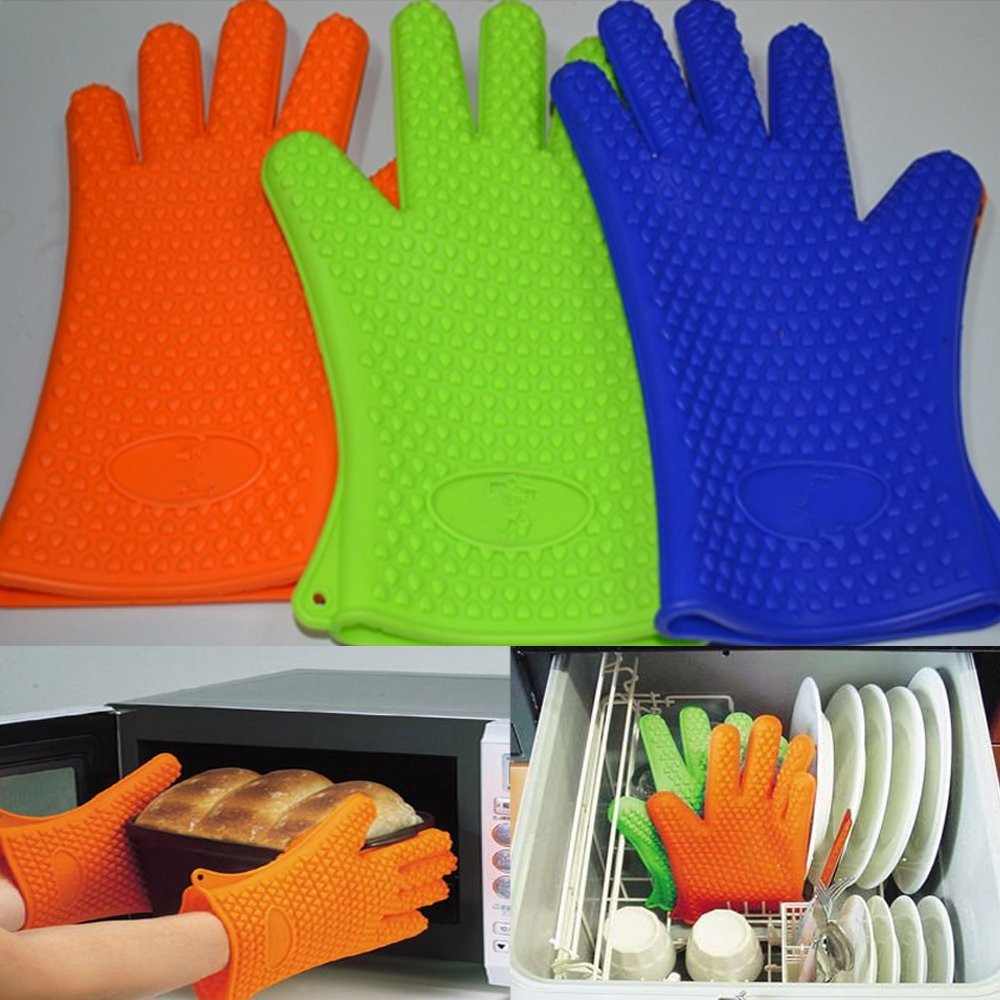
Implementing silicone grill mitts into your kitchen and outdoor cooking routine represents one of the most practical investments in heat safety and operational comfort. Whether you're managing a professional kitchen, operating a commercial grilling station, or hosting frequent backyard barbecues, silicone grill mitts provide reliable thermal protection that standard cloth or leather alternatives simply cannot match. Understanding how to properly implement silicone grill mitts ensures that your team and household members remain protected from burns, heat injuries, and operational hazards associated with high-temperature cooking environments.
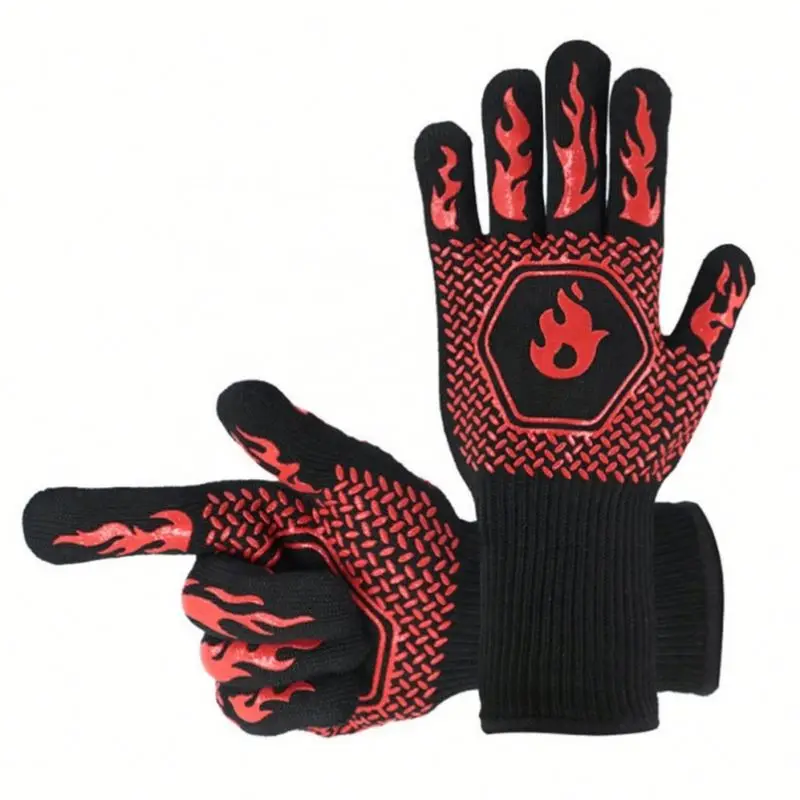
The process of implementing silicone grill mitts requires more than simply purchasing a pair and placing them beside your grill. Effective implementation involves understanding material specifications, proper fit and sizing, correct handling techniques, and establishing maintenance protocols that extend product lifespan. When properly implemented, silicone grill mitts become an integral part of your heat safety infrastructure, reducing incident rates and improving overall operational efficiency in any cooking environment.
Understanding Silicone Grill Mitts Material Properties
Heat Resistance and Temperature Ratings
Silicone grill mitts are engineered to withstand extreme temperatures that would damage traditional oven mitts or gloves. Most high-quality silicone grill mitts can safely handle temperatures ranging from 200°F to 500°F, with premium options rated for sustained exposure up to 600°F. When implementing silicone grill mitts in your operation, verify the specific temperature rating of your chosen product to ensure it matches your cooking equipment's maximum heat output. This verification step prevents incidents where inadequate thermal protection leads to hand burns or safety violations in commercial kitchen settings.
Durability and Material Composition
Quality silicone grill mitts combine food-grade silicone with cotton or rubber backing layers to create a composite material that resists tears, punctures, and rapid degradation. The silicone outer layer repels moisture, grease, and extreme heat while maintaining flexibility for precise grip control. When you begin implementing silicone grill mitts, examine the material construction to ensure the outer silicone coating remains intact and the backing material shows no signs of separation or deterioration. Properly maintained silicone grill mitts can provide years of reliable service, making them cost-effective safety investments for both home and commercial cooking environments.
Proper Selection and Fitting Procedures
Sizing Guidelines for Different Hand Types
Implementing silicone grill mitts begins with selecting the correct size for your hand dimensions and intended use. Most manufacturers offer silicone grill mitts in three to four standard sizes: small for compact hands, medium for average adult hands, large for bigger hands, and extra-large for professional applications. Ill-fitting silicone grill mitts compromise dexterity and thermal protection, potentially creating safety hazards rather than preventing them. When implementing silicone grill mitts across a team or household, measure each person's hand circumference and palm length to guarantee optimal fit and comfort during extended cooking sessions.
Assessing Grip and Tactile Feedback
Premium silicone grill mitts incorporate textured surface patterns that enhance grip even when wet or greasy. These textures prove essential when implementing silicone grill mitts in active cooking environments where moisture and oil create slippery conditions. Test the grip quality before full implementation by handling warm (not hot) cookware to evaluate whether the silicone pattern maintains secure contact with smooth, curved, or textured handles. Poor grip performance undermines the entire purpose of implementing silicone grill mitts, potentially leading to dropped items, spills, or burns. The best silicone grill mitts balance heat protection with practical usability in real-world cooking scenarios.
Implementation Best Practices and Safety Protocols
Establishing Proper Handling Techniques
Implementing silicone grill mitts effectively requires training team members or household members on correct usage techniques that maximize protection while maintaining control. Always ensure both hands are fully covered with silicone grill mitts before handling hot cookware, grates, or food. When implementing silicone grill mitts, emphasize approaching heat sources deliberately rather than quickly, as the mitts preserve hand temperature even during intense heat exposure, which can create a false sense of security if users become complacent. Teach proper pinching and gripping positions that distribute pressure evenly across the mitt surface rather than concentrating stress on specific areas that might tear under repeated strain.
Maintenance and Storage Considerations
After implementing silicone grill mitts into your cooking routine, establish a regular maintenance schedule to extend their functional lifespan. Most silicone grill mitts can be hand-washed with warm water and mild dish soap immediately after use, removing grease and food residue that might degrade the silicone over time. Allow your silicone grill mitts to air-dry completely before storage to prevent moisture accumulation and mold growth. Store silicone grill mitts in a cool, dry location away from direct sunlight, which can eventually cause silicone degradation and discoloration. A well-maintained pair of silicone grill mitts will remain effective and hygienic for multiple seasons of regular use.
Integration with Existing Safety Systems
Implementing silicone grill mitts should be integrated into your broader heat safety infrastructure rather than viewed as a standalone solution. Combine silicone grill mitts with other protective measures including long-sleeved clothing, aprons, and proper ventilation around grilling stations. When implementing silicone grill mitts in commercial kitchens or high-volume barbecue operations, develop clear protocols defining when silicone grill mitts must be worn, how frequently they should be replaced, and what incident reporting procedures apply. This systematic approach ensures that silicone grill mitts function as an effective component of your overall safety culture rather than becoming an overlooked afterthought.
FAQ
Can silicone grill mitts prevent all heat-related injuries?
While silicone grill mitts provide excellent thermal protection when used properly, they represent one layer of a comprehensive safety approach. These mitts effectively prevent direct contact burns from hot cookware and surfaces, but they do not protect against steam burns, splashing liquids, or radiant heat from very close distances. Silicone grill mitts work best when combined with proper cooking techniques, awareness of surroundings, and common sense practices like keeping children away from active grills. They dramatically reduce injury risk but should never create overconfidence in handling dangerous heat sources.
How often should silicone grill mitts be replaced?
The replacement frequency for silicone grill mitts depends on usage intensity, maintenance quality, and material degradation signs. Heavy commercial users might replace silicone grill mitts every six to twelve months, while home cooks using them occasionally might maintain the same pair for two to three years. Inspect your silicone grill mitts regularly for cracks, tears, separation between layers, discoloration, or loss of heat resistance. Replace them immediately if the outer silicone coating shows damage or if the material no longer repels heat effectively. Proactive replacement prevents situations where degraded silicone grill mitts fail during critical heat exposure moments.
Are there specific industries where silicone grill mitts are essential?
Silicone grill mitts have become standard protective equipment in commercial kitchens, professional barbecue catering operations, industrial food processing facilities, and high-volume restaurant grilling stations. These environments demand reliable, consistent heat protection because worker safety directly impacts operational continuity and liability exposure. Home cooks, backyard entertaining hosts, and outdoor cooking enthusiasts also benefit significantly from silicone grill mitts, which have transitioned from professional-only equipment to mainstream consumer safety products. Any environment involving regular exposure to temperatures above 300°F benefits from the superior protection that quality silicone grill mitts provide compared to conventional alternatives.