
 EN
EN


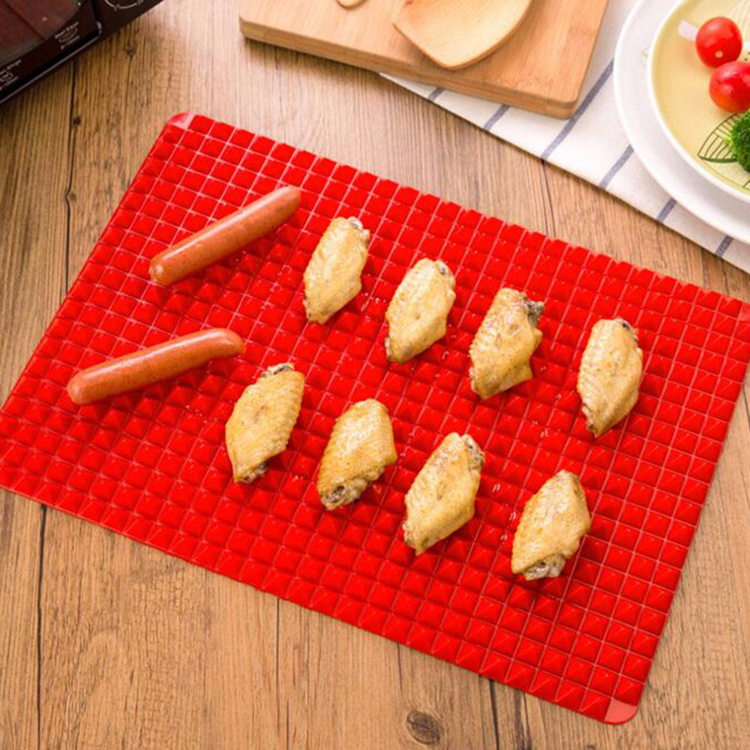
When it comes to preparing your baking surface, the choice between a reusable silicone baking mat and traditional parchment paper has become increasingly important for both home bakers and professional kitchens. A reusable silicone baking mat offers a modern alternative to disposable parchment, bringing distinct advantages in durability, cost-effectiveness, and environmental responsibility. Understanding the differences between these two materials helps you make an informed decision that aligns with your baking needs, budget, and kitchen values.
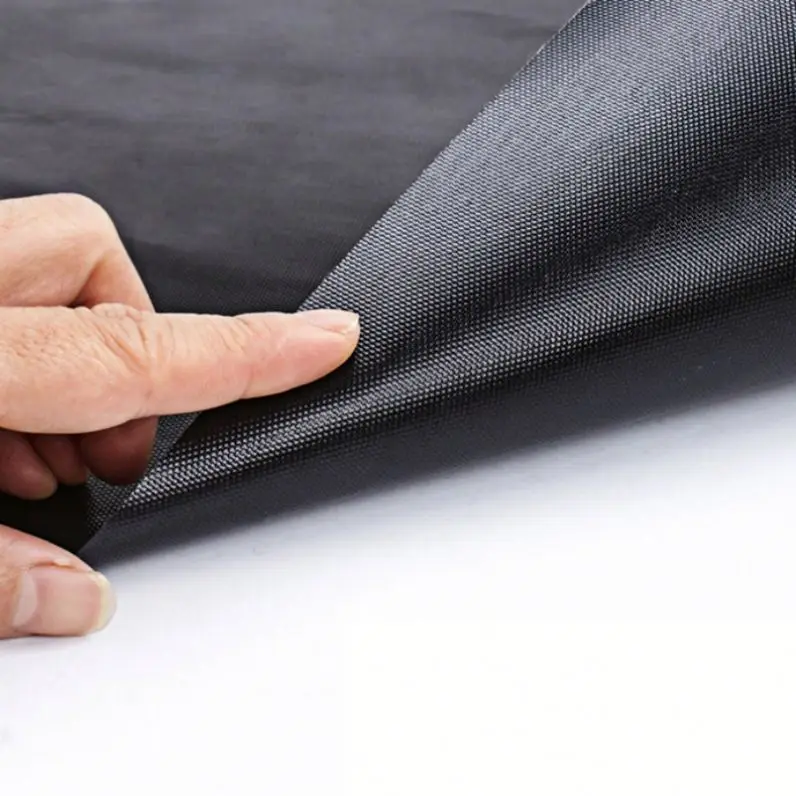
The comparison between a reusable silicone baking mat and parchment paper extends beyond simple preference; it involves examining performance metrics, longevity, maintenance requirements, and overall value proposition. A reusable silicone baking mat represents an investment that can serve hundreds of baking sessions, whereas parchment paper requires continuous replacement. This article explores the practical, economic, and environmental dimensions of choosing between these two popular baking surfaces, providing insights that help you select the right option for your kitchen.
Material Composition and Non-Stick Performance
Understanding Silicone Mat Construction
A reusable silicone baking mat is engineered from food-grade silicone, a synthetic rubber material known for its stability at high temperatures and exceptional non-stick properties. The silicone composition of a reusable silicone baking mat typically includes reinforced fiberglass mesh beneath the silicone surface, creating a durable structure that resists warping and maintains its shape through repeated use. The non-stick surface of a reusable silicone baking mat is inherent to the material itself, meaning it does not wear away like coatings on other surfaces; this fundamental advantage ensures consistent performance across hundreds of baking applications.
Parchment Paper Characteristics
Parchment paper is created through a process that treats pulp paper with silicone or, in some cases, clay, to create a non-stick surface. Unlike a reusable silicone baking mat, parchment paper is designed for single or limited use before disposal. The non-stick coating on parchment paper can degrade with heat exposure and repeated contact with oils and acidic foods. While parchment provides adequate non-stick performance for immediate use, it cannot match the durability characteristics offered by a reusable silicone baking mat over an extended period.
Durability, Longevity, and Cost-Effectiveness
Long-Term Value of Silicone Mats
A reusable silicone baking mat can withstand 500 to 2000 baking sessions, depending on care and usage intensity, making it a long-term investment for regular bakers. The initial cost of purchasing a high-quality reusable silicone baking mat ranges from fifteen to forty dollars per mat, but this expense is offset significantly by eliminating the continuous need to purchase parchment paper rolls. When you calculate the cost of parchment paper over several years of regular baking, the total expenditure often exceeds the cost of acquiring a reusable silicone baking mat multiple times over. Additionally, a reusable silicone baking mat maintains its non-stick properties consistently throughout its lifespan, whereas parchment paper performance may vary batch to batch.
Parchment Paper Economics
Parchment paper represents an ongoing consumable expense that accumulates quickly in households with frequent baking activity. A standard roll of parchment paper costs between three and eight dollars and is typically consumed within weeks for regular bakers. The environmental cost of continuous replacement of parchment paper creates unnecessary waste compared to opting for a reusable silicone baking mat. For professional baking operations, the expense associated with parchment paper consumption can represent a significant portion of operational costs, making the transition to a reusable silicone baking mat a financially strategic decision.
Heat Resistance and Temperature Performance
Silicone Mat Temperature Specifications
A reusable silicone baking mat typically maintains structural integrity and non-stick performance at temperatures up to 500 to 600 degrees Fahrenheit, with some premium models rated even higher. The heat resistance of a reusable silicone baking mat allows it to function in a wider range of baking applications, from low-temperature dough proofing to high-heat roasting. The consistent performance of a reusable silicone baking mat across temperature ranges means you can confidently use it for cookies, pastries, roasted vegetables, and even broiler-adjacent applications without concern for material degradation. This versatility makes a reusable silicone baking mat a single-solution baking surface for multiple cooking scenarios.
Parchment Paper Temperature Limitations
Parchment paper, while generally safe to temperatures around 420 to 450 degrees Fahrenheit, can begin to brown and deteriorate at higher heat levels, potentially affecting both performance and food safety. Many parchment paper products display brown discoloration or edge burning when exposed to extended high-temperature baking, requiring bakers to lower heat settings or cover edges with foil. This limitation of parchment paper means that high-heat applications benefit significantly from a reusable silicone baking mat, which remains stable and performs optimally without modification or concern. The temperature versatility of a reusable silicone baking mat eliminates the need to purchase different baking surfaces for different applications.
Environmental Impact and Sustainability
The Sustainability Case for Silicone Mats
Choosing a reusable silicone baking mat directly supports environmental sustainability by eliminating the continuous consumption of disposable parchment paper. A reusable silicone baking mat, used for 500 to 2000 applications, replaces hundreds or thousands of individual parchment paper sheets, significantly reducing paper waste sent to landfills. Food-grade silicone used in a reusable silicone baking mat is durable and can be recycled at end-of-life through specialized facilities, and its long service life means minimal resource consumption compared to the extraction, manufacturing, and distribution cycles required for continuous parchment paper production. The carbon footprint associated with using a reusable silicone baking mat over time is substantially lower than relying on disposable alternatives.
Environmental Concerns with Parchment Paper
Parchment paper, while often perceived as a natural product, requires ongoing pulp harvesting, chemical processing, and repeated manufacturing cycles that consume resources and generate waste. The disposable nature of parchment paper means its environmental impact multiplies across every household and commercial kitchen that uses it regularly. Additionally, the bleaching and coating processes used in parchment paper production involve chemicals that can impact water systems and ecosystems. By transitioning from parchment paper to a reusable silicone baking mat, bakers contribute meaningfully to waste reduction and sustainable kitchen practices.
Maintenance, Care, and Practical Considerations
Caring for Your Silicone Mat
A reusable silicone baking mat requires minimal maintenance and can be cleaned easily by hand-washing with mild soap and warm water or by running it through a standard dishwasher. The durable surface of a reusable silicone baking mat resists staining and odor absorption, making it simple to maintain in pristine condition across years of use. Proper storage of a reusable silicone baking mat involves hanging it on a hook or rolling it gently to prevent creases, ensuring its flat surface for even heat distribution during baking. The low-maintenance nature of a reusable silicone baking mat means you can spend more time baking and less time managing supplies.
Using and Handling Parchment Paper
Parchment paper requires no preparation or maintenance, as it is discarded after use; however, this convenience is offset by the constant need to purchase new rolls and manage their storage. Some bakers experience frustration with parchment paper curling or shifting during baking, requiring occasional adjustment mid-session. The disposal process, while simple, represents wasted material and creates unnecessary clutter in kitchen trash receptacles. Unlike a reusable silicone baking mat, parchment paper offers no lasting value after a single or limited use.
FAQ
Is a reusable silicone baking mat safe for all types of baking?
Yes, a reusable silicone baking mat is safe for virtually all baking applications, including cookies, cakes, bread, pastries, and roasted vegetables. Food-grade silicone used in a reusable silicone baking mat meets regulatory safety standards and does not release harmful chemicals during baking. Always purchase a reusable silicone baking mat from reputable manufacturers who provide food-safety certifications to ensure quality and safety.
Can you use a reusable silicone baking mat in a commercial kitchen?
Absolutely, a reusable silicone baking mat is increasingly popular in commercial bakeries and food service operations seeking to reduce waste and operational costs. Commercial-grade versions of a reusable silicone baking mat are designed to withstand intensive daily use while maintaining consistent performance. Many professional bakers prefer a reusable silicone baking mat for its durability, reliability, and environmental responsibility, making it an excellent choice for high-volume production environments.
How long does a reusable silicone baking mat typically last?
A reusable silicone baking mat can last 500 to 2000 baking sessions, or typically 3 to 10 years for home bakers with regular use, depending on care and intensity of use. High-quality reusable silicone baking mat products from trusted manufacturers often exceed these estimates. Proper cleaning and storage practices extend the lifespan of a reusable silicone baking mat significantly.