
 EN
EN



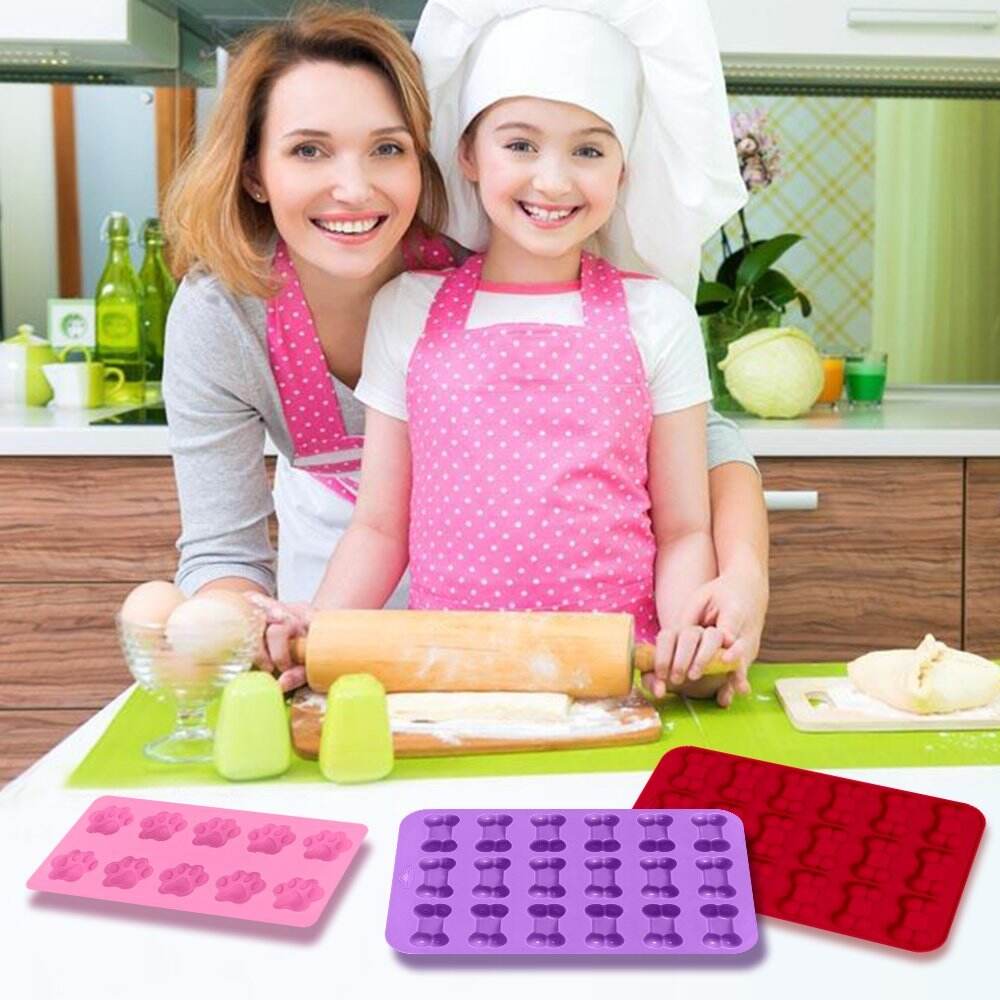
In the world of professional baking and culinary artistry, presentation often determines the difference between a memorable dessert and an ordinary one. The silicone rose cake mold has emerged as a transformative tool that enables bakers, pastry chefs, and home enthusiasts to create intricate, visually stunning designs with remarkable ease and consistency. This specialized cake mold represents more than just a baking utensil; it embodies the intersection of functional engineering and aesthetic innovation, allowing creators to produce rose-patterned cakes, mousses, and desserts that command attention and elevate brand perception in competitive markets. Whether you operate a commercial bakery, manage a boutique dessert shop, or pursue baking as a passionate craft, understanding how silicone rose cake molds enhance your design capabilities becomes essential for staying relevant in an increasingly visual culinary landscape.
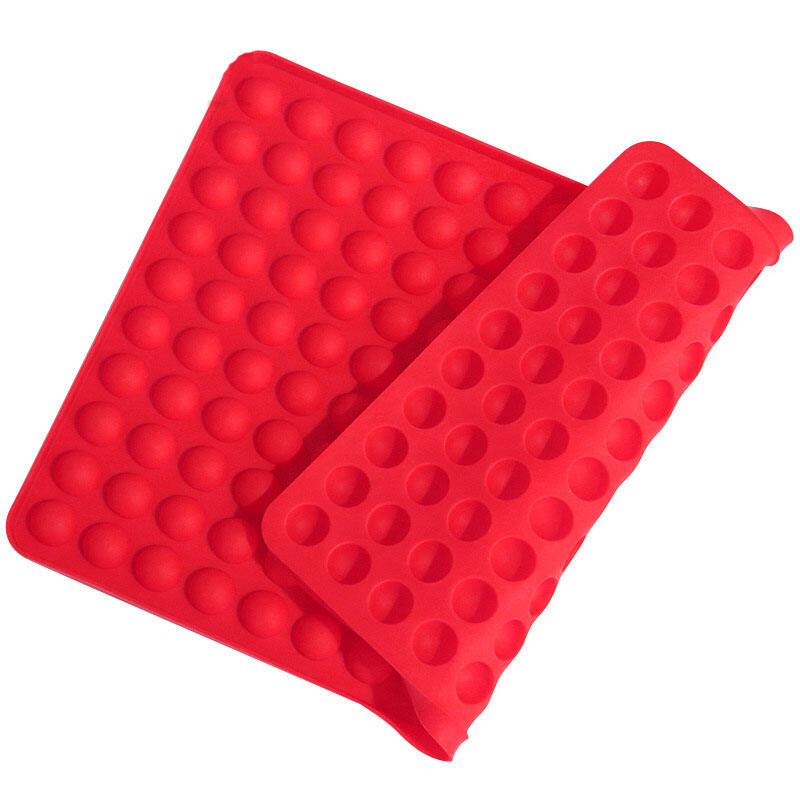
The strategic adoption of a high-quality cake mold specifically designed with rose patterns addresses multiple operational challenges faced by modern baking professionals. Traditional metal molds often require extensive greasing, produce inconsistent release results, and limit design complexity due to material constraints. Silicone rose cake molds overcome these limitations through flexible food-grade construction that facilitates effortless demolding, retains intricate petal details, and withstands repeated thermal cycling without degradation. This article explores the specific mechanisms by which silicone rose cake molds elevate design outcomes, examining material properties, application techniques, aesthetic advantages, operational benefits, and selection criteria that directly impact your creative and commercial success in the demanding field of decorative baking.
Material Innovation and Design Fidelity
Advanced Silicone Composition for Detail Retention
The foundational advantage of using a silicone-based cake mold for rose designs lies in the material's unique molecular structure and physical properties. Food-grade silicone compounds exhibit exceptional elasticity combined with dimensional stability, allowing manufacturers to engineer molds with microscopic surface textures that capture the delicate veining, layered petals, and organic contours characteristic of natural roses. Unlike rigid metal or ceramic molds that can only reproduce simplified patterns, silicone cake mold technology enables the replication of botanical accuracy at scales ranging from individual cupcake toppers to full-sized celebration cakes. This material flexibility translates directly into finished products that display professional-grade detail without requiring advanced decorating skills or time-intensive hand-piping techniques.
The thermal properties of premium silicone further enhance design fidelity by maintaining structural integrity across temperature ranges from negative forty to positive four hundred sixty degrees Fahrenheit. This thermal resilience ensures that your cake mold preserves pattern sharpness whether you're working with frozen mousses, room-temperature batters, or baked sponges, eliminating the pattern distortion that occurs with materials exhibiting significant thermal expansion coefficients. For commercial operations producing multiple batches daily, this consistency in detail retention becomes a critical factor in maintaining brand standards and customer expectations. The non-reactive nature of silicone also prevents chemical interactions with acidic ingredients like citrus or chocolate, ensuring that neither the cake mold nor the finished product experiences flavor contamination or material degradation over time.
Flexibility Engineering for Complex Geometries
The engineered flexibility of silicone rose cake molds represents a paradigm shift in how bakers approach complex three-dimensional designs. Traditional rigid molds impose geometric constraints that limit pattern depth and undercut angles, often requiring multi-part assemblies or sacrificial mold destruction for demolding. A well-designed silicone cake mold leverages controlled flexibility zones that allow the material to bend away from undercut features without tearing the delicate petal structures in your finished cake. This flexibility is not uniform throughout the mold but rather strategically varied based on wall thickness, rib placement, and draft angles engineered specifically for rose petal geometries.
Professional-grade cake mold products incorporate reinforcement structures that balance flexibility with shape retention, preventing the collapse or warping that can occur with lower-quality silicone formulations. These reinforcement systems typically consist of thickened base sections that provide stability during filling and transport, while maintaining thin, flexible walls in the detail areas where demolding stress concentrates. The result is a cake mold that remains stable on baking sheets yet releases finished products with minimal handling force, reducing breakage rates and improving production efficiency. For designers working with delicate mousses, panna cottas, or gelatin-based desserts, this engineering sophistication enables previously impossible designs featuring multiple overlapping petal layers, deep crevices between floral elements, and realistic dimensional depth that elevates perceived product value.
Surface Treatment for Release Performance
The microscopic surface characteristics of your silicone rose cake mold directly influence release performance and the clarity of transferred design elements. Advanced manufacturing processes apply specialized surface treatments that reduce the coefficient of friction between the silicone and various cake batters, frostings, and fillings without requiring additional release agents. These treatments create a molecular-level barrier that prevents fat migration into the silicone matrix, a phenomenon that gradually degrades release performance in untreated molds and necessitates increased greasing over time.
The practical impact of superior surface treatment becomes evident in production environments where time efficiency and consistency matter. A properly treated cake mold allows for single-motion demolding where the finished cake releases cleanly with one gentle push from the flexible base, eliminating the multiple attempts, edge working, and surface damage associated with inferior products. This reliable release performance also expands your creative palette by enabling work with sticky ingredients like caramel, honey-based glazes, or high-sugar content mousses that would prove problematic with standard molds. For operations scaling production to meet increased demand, the reduction in demolding time and product loss directly impacts profitability while maintaining the design quality that differentiates premium offerings in competitive markets.
Aesthetic Versatility and Creative Applications
Layering Techniques for Dimensional Impact
The architectural possibilities enabled by silicone rose cake molds extend far beyond single-layer applications, opening creative avenues for sophisticated layering techniques that produce dramatic visual impact. Professional bakers leverage the precise dimensional consistency of quality molds to create multi-layer compositions where individual rose elements combine into bouquet arrangements, cascading designs, or geometric patterns. The uniform wall thickness and accurate sizing of a well-manufactured cake mold ensures that multiple elements fit together seamlessly without gaps or misalignment, a critical consideration when building complex assemblies that must appear as unified compositions rather than discrete components.
Color layering represents another dimension of design elevation achievable through strategic use of rose-patterned cake molds. By preparing batters or mousses in coordinated color gradients and carefully layering them within the mold cavities, creators produce finished cakes displaying naturalistic color transitions from deep petal bases to lighter petal tips. This technique, known as gradient molding, requires precise understanding of how different densities and viscosities interact during the filling process, but the visual results command premium pricing in retail settings. The transparency of high-quality silicone during the filling process provides visual feedback that allows operators to monitor color placement in real-time, adjusting techniques to achieve desired effects before baking or setting occurs.
Texture Contrast and Sensory Design
Beyond purely visual considerations, sophisticated dessert designers utilize silicone rose cake molds to create deliberate texture contrasts that enhance the sensory experience of their products. The detailed surface patterns molded into rose petals interact differently with various cake textures, producing distinct visual and tactile effects depending on ingredient selection and preparation methods. Dense pound cakes yield sharp, crisp edge definition that emphasizes pattern precision, while lighter sponge formulations produce softer, more organic interpretations of the rose design that suggest handcrafted artistry despite the molding process.
The strategic incorporation of different filling materials within a single cake mold cavity creates additional sensory dimensions through texture variation. Professional applications might feature a mousse exterior capturing fine petal details while concealing a contrasting interior of brownie, cheesecake, or fruit gel that reveals itself upon cutting. This hidden complexity transforms the serving experience into a discovery moment that generates social media sharing and word-of-mouth marketing, particularly valuable for businesses building brand recognition in saturated markets. The precision of silicone molding enables these multi-texture designs by providing consistent cavity dimensions that allow for accurate calculation of volume ratios, ensuring that interior elements remain properly positioned and proportioned within the finished product.
Seasonal and Thematic Customization
The inherent versatility of rose-patterned cake molds supports extensive seasonal and thematic customization that keeps product offerings fresh and relevant throughout the annual calendar. While the rose pattern itself carries universal appeal, creative professionals modify presentation through ingredient selection, color palettes, and complementary decorative elements that align with specific occasions or cultural moments. Valentine's Day applications might emphasize deep red colorations with chocolate bases, while spring collections utilize pastel shades and citrus flavors that reference renewal themes.
The commercial advantage of investing in quality silicone cake mold inventory becomes evident when considering the equipment's multi-season utility compared to occasion-specific alternatives. A single rose mold design serves wedding applications, anniversary celebrations, Mother's Day promotions, garden party themes, and everyday premium dessert lines with equal effectiveness, maximizing return on investment while minimizing storage requirements. This flexibility proves particularly valuable for small to medium-sized operations where capital efficiency and inventory management directly impact financial viability. The durability of premium silicone formulations ensures that seasonal rotation through multiple years of service occurs without visible wear or performance degradation, further enhancing long-term value compared to disposable or limited-use alternatives.
Operational Efficiency and Production Scalability
Cycle Time Reduction Through Temperature Tolerance
The exceptional temperature tolerance of professional-grade silicone rose cake molds directly impacts production throughput by enabling rapid thermal cycling without intermediate cooling periods. Unlike metal molds that require cooling to handling temperatures before demolding can safely occur, silicone cake mold technology allows for immediate demolding of baked goods at elevated temperatures, significantly reducing cycle times in high-volume production environments. This temperature advantage proves particularly valuable in commercial bakeries operating continuous production schedules where equipment utilization rates directly correlate with revenue generation.
The ability to transition the same cake mold from freezer to oven without thermal shock concerns further streamlines workflow for operations producing both frozen and baked dessert lines. Frozen mousse preparations can move directly from freezer storage to heated display cases using the mold as both production tool and serving vessel, eliminating transfer steps that risk product damage and consume valuable labor hours. This dual-use capability reduces the total equipment investment required to support diverse product portfolios while simplifying inventory management and reducing the physical footprint of production facilities. For mobile catering operations, specialty dessert trucks, and pop-up retail concepts, the weight advantage of silicone versus metal molds provides additional logistical benefits that facilitate transportation and setup efficiency.
Consistency and Quality Control Benefits
The dimensional precision inherent in quality silicone cake mold manufacturing establishes a foundation for superior quality control and product consistency that becomes increasingly critical as operations scale. Each cavity within a professional-grade mold produces virtually identical results in terms of volume, shape, and pattern detail, eliminating the variation associated with hand-forming techniques or inconsistent mold manufacturing tolerances. This reproducibility enables accurate cost accounting through precise yield calculations and supports reliable scheduling by establishing predictable production rates per labor hour.
The transparency or translucency of many silicone formulations provides an additional quality control advantage by allowing visual inspection during the filling process and bake cycle. Operators can identify air bubbles, uneven distribution, or insufficient fill levels before the product sets, enabling real-time corrections that prevent waste and maintain output quality. This visual feedback proves particularly valuable during new product development phases when recipe formulations undergo refinement or when training new production staff who are still developing the tactile familiarity with proper fill volumes and consistency indicators. The educational efficiency gained through this visual transparency accelerates workforce development and reduces the supervision requirements necessary to maintain quality standards across multiple production shifts.
Maintenance and Longevity Considerations
The operational lifespan and maintenance requirements of silicone rose cake molds significantly influence total cost of ownership and should factor prominently into procurement decisions. Premium food-grade silicone formulations resist degradation from repeated washing, sanitizing chemical exposure, and mechanical stress associated with daily production use, maintaining structural integrity and release performance through thousands of molding cycles. This durability contrasts sharply with disposable aluminum pans or low-grade silicone products that exhibit progressive staining, odor retention, and structural fatigue after relatively brief service periods.
The cleaning efficiency of well-designed cake mold products impacts both labor costs and hygiene compliance in commercial food production settings. Non-porous silicone surfaces resist bacterial colonization and prevent the fat absorption that creates rancidity issues in porous materials, supporting food safety protocols while minimizing cleaning chemical consumption. The flexibility of silicone allows for inversion during washing, exposing all surface areas to cleaning action and preventing the buildup of residues in pattern details that can degrade design fidelity over time. Most commercial-grade molds tolerate dishwasher processing at standard institutional temperatures, enabling integration with existing cleaning workflows without requiring specialized procedures or equipment modifications. For operations subject to health department inspections or third-party food safety audits, the documented cleanability and material certifications associated with premium silicone products provide compliance documentation that simplifies regulatory relationships.
Selection Criteria and Performance Specification
Material Grade and Certification Requirements
The selection of an appropriate silicone rose cake mold for professional applications must begin with verification of material certifications and regulatory compliance documentation. Food-contact silicone products should carry FDA approval for direct food contact in your operational jurisdiction, along with relevant certifications such as LFGB for European markets or GB standards for Asian distribution. These certifications ensure that the silicone formulation contains no volatile organic compounds, plasticizers, or filler materials that might migrate into food products during thermal processing, protecting both consumer safety and your business liability profile.
The specific grade of silicone employed in cake mold manufacturing directly correlates with performance characteristics and service life. Platinum-cure silicone represents the premium standard for professional baking applications, offering superior heat resistance, minimal odor, and exceptional longevity compared to peroxide-cure alternatives. While platinum-cure products command higher initial purchase prices, the extended service life and consistent performance justify the investment for operations where equipment reliability and product quality directly impact revenue. Material specifications should include Shore hardness values that indicate the appropriate balance between flexibility for demolding and rigidity for shape retention, typically ranging from twenty to forty Shore A for optimal rose pattern applications depending on cavity depth and design complexity.
Design Features and Ergonomic Considerations
Beyond basic material quality, the engineering details incorporated into a professional cake mold significantly influence operational efficiency and user satisfaction. Reinforced rim structures prevent edge rolling and facilitate stable stacking during storage, while integrated handling features such as grip tabs or finger wells reduce the risk of dropping filled molds during transport between workstations. The base design should provide sufficient rigidity to support the mold on standard sheet pans without sagging or deformation when filled with heavy batters, yet remain flexible enough to facilitate the inverted-push demolding technique preferred by most professional users.
Cavity sizing and configuration should align with your specific production requirements and target market positioning. Individual serving-sized rose molds typically range from two to four ounces capacity, appropriate for plated dessert presentations or retail single-serve sales, while larger formats extending to twelve ounces or more suit celebration cake applications or family-style service. The depth-to-width ratio of cavity design influences both the visual impact of the finished rose pattern and the structural integrity during demolding, with deeper cavities producing more dramatic three-dimensional effects but requiring greater material flexibility and user technique. Multi-cavity mold configurations offer production efficiency advantages for high-volume operations, but the increased overall mold dimensions must remain compatible with existing oven and refrigeration equipment dimensions to avoid disruptive facility modifications.
Supplier Evaluation and Long-term Partnership
The selection of a silicone cake mold supplier extends beyond product specifications to encompass service capabilities, technical support, and supply chain reliability that influence long-term operational success. Established suppliers offering comprehensive product documentation, usage guidelines, and troubleshooting resources reduce the learning curve associated with new equipment integration and provide valuable reference materials for training programs. Technical support access becomes particularly important when developing novel applications or adapting existing recipes to optimize performance with specific mold designs, where supplier expertise in material behavior and thermal characteristics can accelerate development timelines.
Supply chain considerations include inventory availability, lead times for reorders, and the supplier's capacity to scale with your business growth. Operations experiencing seasonal demand fluctuations require suppliers capable of accommodating variable order volumes without excessive lead time penalties during peak periods. The availability of replacement units for damaged or worn molds prevents production disruptions when individual pieces reach end-of-life or suffer accidental damage. For businesses pursuing product line expansion or custom design development, suppliers offering modification services or custom tooling capabilities provide strategic advantages by enabling exclusive product differentiation that competitors cannot easily replicate. The total value proposition should therefore encompass not merely the physical cake mold product but the complete support ecosystem that surrounds it, evaluated across the multi-year operational timeline typical of professional baking equipment investments.
FAQ
What temperature range can silicone rose cake molds safely withstand during baking and freezing applications?
Professional-grade silicone rose cake molds typically withstand temperatures from negative forty degrees Fahrenheit to positive four hundred sixty degrees Fahrenheit, accommodating both frozen dessert preparation and conventional baking processes. This temperature tolerance allows the same cake mold to transition directly from freezer storage to heated ovens without thermal shock damage, supporting diverse production workflows. However, specific temperature ratings vary by manufacturer and silicone formulation, so verification of technical specifications for your particular product remains essential before implementing extreme temperature applications in production environments.
How does mold size affect the visual impact and structural integrity of finished rose-patterned cakes?
Larger cake mold cavities produce more dramatic three-dimensional rose patterns with enhanced visual impact suitable for centerpiece presentations and celebration cakes, while smaller cavities create delicate, detailed impressions appropriate for individual servings and plated desserts. The structural integrity relationship involves balancing pattern depth against cake formulation strength, as deeper rose details in larger molds require batters with sufficient structural properties to maintain shape after demolding. Professional applications often maintain multiple size ranges within their equipment inventory to address different service contexts and price points while optimizing the design-to-stability ratio for each application category.
Can the same silicone rose cake mold be used for both baked cakes and no-bake desserts like mousses or panna cotta?
Quality silicone rose cake molds function effectively for both baked and no-bake applications due to their temperature versatility and flexible demolding characteristics. Baked applications leverage the mold's heat resistance and dimensional stability during thermal processing, while no-bake desserts benefit from the flexibility that facilitates gentle release of delicate set structures without mechanical damage. The key consideration involves ensuring complete setting or cooling before attempting demolding, as premature release attempts can compromise pattern detail regardless of whether thermal or chemical setting processes were employed. This dual-functionality maximizes equipment utilization and return on investment for operations offering diverse dessert categories.
What maintenance practices extend the service life and performance consistency of professional silicone cake molds?
Optimal maintenance practices include thorough washing with mild detergents after each use to prevent residue buildup, complete drying before storage to inhibit microbial growth, and avoiding exposure to sharp utensils or abrasive cleaning materials that might damage surface details or create tear initiation points. Storage in unstacked configurations or with protective interleaving prevents compression deformation that can gradually alter cavity dimensions. Periodic inspection for surface changes such as staining, odor retention, or flexibility loss allows for timely replacement before performance degradation affects product quality. Most professional-grade silicone cake molds tolerate dishwasher cleaning at standard institutional temperatures, though hand washing extends service life by reducing mechanical stress and chemical exposure intensity associated with automated cleaning systems.
Table of Contents
- Material Innovation and Design Fidelity
- Aesthetic Versatility and Creative Applications
- Operational Efficiency and Production Scalability
- Selection Criteria and Performance Specification
-
FAQ
- What temperature range can silicone rose cake molds safely withstand during baking and freezing applications?
- How does mold size affect the visual impact and structural integrity of finished rose-patterned cakes?
- Can the same silicone rose cake mold be used for both baked cakes and no-bake desserts like mousses or panna cotta?
- What maintenance practices extend the service life and performance consistency of professional silicone cake molds?