
 EN
EN



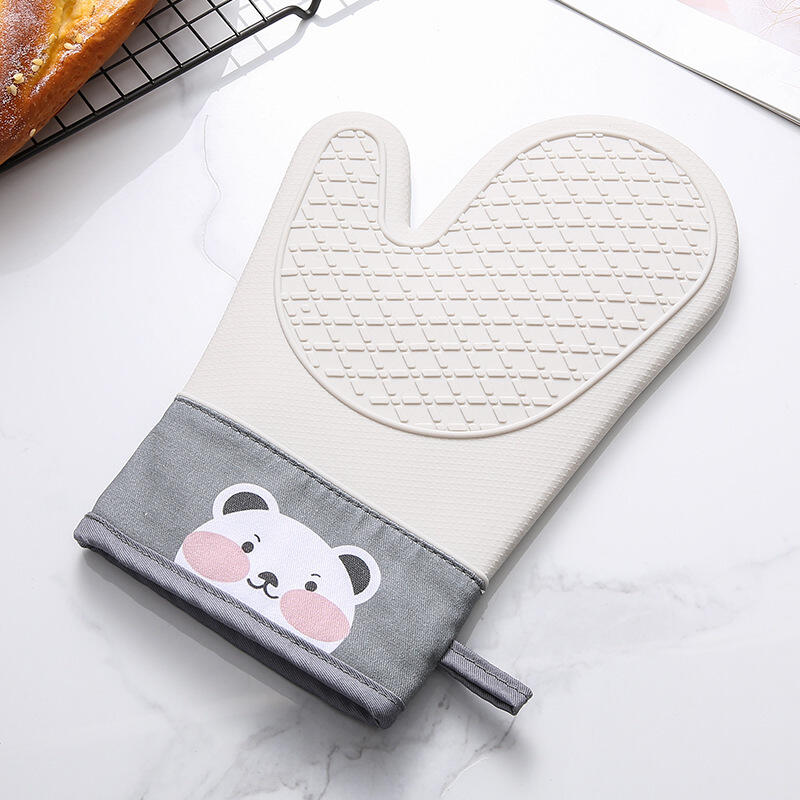
Selecting the right temperature rating for heat resistant gloves is crucial for ensuring workplace safety and optimal performance in high-temperature environments. The temperature rating determines the maximum heat exposure your gloves can withstand while maintaining protection and dexterity. Understanding these ratings helps prevent heat-related injuries, reduces equipment replacement costs, and ensures compliance with safety regulations across various industrial applications.
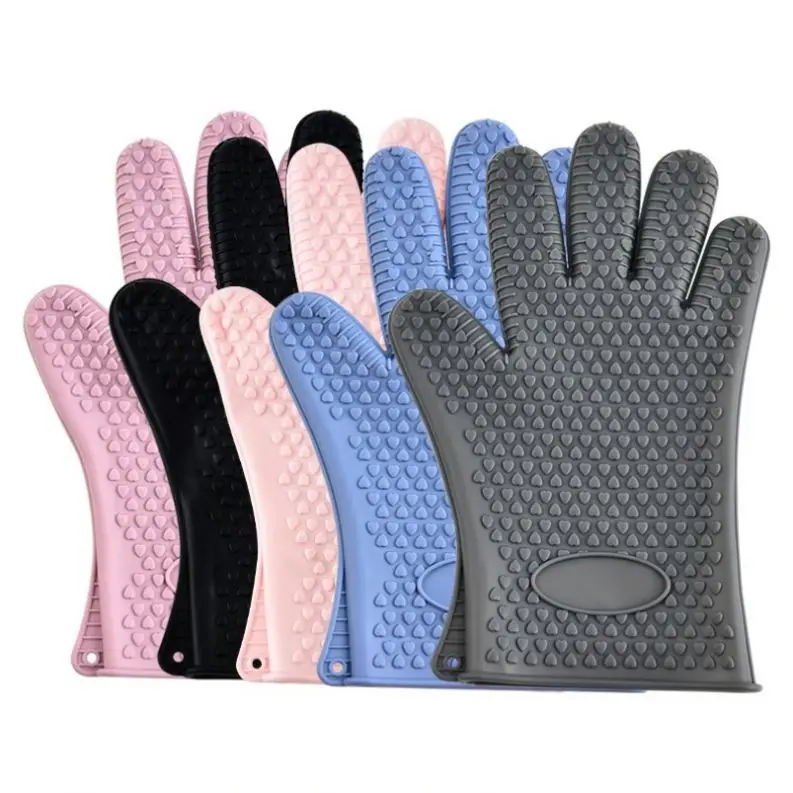
Temperature ratings for heat resistant gloves typically range from 200°F to over 2000°F, with specific classifications based on contact heat, radiant heat, and convective heat resistance. The choice depends on your specific work environment, exposure duration, and the type of heat source you encounter. Making an informed decision about temperature ratings directly impacts worker safety, productivity, and the overall success of heat-intensive operations.
Understanding Heat Resistant Glove Temperature Classifications
Standard Temperature Rating Systems
Heat resistant gloves follow established temperature rating systems that categorize protection levels based on standardized testing methods. The most common system uses Celsius measurements, with ratings typically ranging from 100°C to 1000°C for industrial applications. These ratings indicate the maximum temperature the glove material can withstand during brief contact without causing injury or significant degradation to the protective barrier.
Professional-grade heat resistant gloves often display multiple temperature ratings on their labels, including contact heat ratings, convective heat ratings, and radiant heat ratings. Contact heat ratings measure protection during direct contact with hot surfaces, while convective heat ratings assess protection in hot air environments. Radiant heat ratings evaluate protection from heat sources that emit thermal radiation without direct contact.
Understanding these different rating types helps workers select appropriate protection for their specific heat exposure scenarios. For example, welding operations require different temperature considerations than handling hot materials in manufacturing environments, making proper rating interpretation essential for effective protection.
International Standards and Certifications
International standards organizations establish testing protocols and certification requirements for heat resistant gloves to ensure consistent protection levels across manufacturers. The European Standard EN 407 provides comprehensive testing methods for protective gloves against thermal risks, including performance levels for contact heat, convective heat, radiant heat, and resistance to small splashes of molten metal.
These standards use numerical performance levels from 1 to 4, with level 4 representing the highest protection category. For contact heat, level 4 protection corresponds to temperatures of 500°C or higher, while level 1 provides protection up to 100°C. This standardized approach allows users to compare different heat resistant gloves objectively and select appropriate protection levels for their applications.
American standards, including ASTM and ANSI specifications, provide similar testing protocols with temperature ratings expressed in Fahrenheit. These standards ensure that heat resistant gloves meet minimum performance requirements for thermal protection while maintaining adequate dexterity and durability for industrial use.
Factors Determining Optimal Temperature Rating Selection
Work Environment Heat Exposure Assessment
Accurately assessing your work environment's heat exposure characteristics forms the foundation for selecting appropriate temperature ratings for heat resistant gloves. This assessment involves identifying heat sources, measuring maximum temperatures, determining exposure duration, and evaluating heat transfer methods present in your workspace. Different industries present unique heat exposure patterns that require specific temperature rating considerations.
Manufacturing environments often involve intermittent contact with heated materials, requiring heat resistant gloves with moderate temperature ratings but extended durability. Foundries and metal processing facilities expose workers to extreme temperatures and molten materials, necessitating higher temperature ratings and specialized protection features. Food service operations typically require lower temperature ratings but emphasize hygiene and frequent cleaning capabilities.
Chemical processing environments may combine heat exposure with chemical resistance requirements, influencing both temperature rating selection and material choice. Glass manufacturing, ceramics production, and similar industries require heat resistant gloves capable of withstanding sustained high-temperature exposure while maintaining grip and dexterity for precision handling tasks.
Duration and Frequency of Heat Exposure
The duration and frequency of heat exposure significantly impact the appropriate temperature rating selection for heat resistant gloves. Brief, intermittent contact with high-temperature surfaces may allow for lower-rated gloves with good thermal mass, while sustained exposure requires higher temperature ratings and specialized insulation properties. Understanding your specific exposure patterns helps optimize both protection and cost-effectiveness.
Continuous exposure scenarios demand heat resistant gloves with temperature ratings that provide substantial safety margins above the actual operating temperatures. This approach accounts for potential temperature fluctuations, extended wear periods, and gradual heat buildup within the glove structure. Workers performing repetitive heating operations benefit from gloves with intermediate temperature ratings that balance protection with comfort during extended use.
Emergency response situations may require heat resistant gloves with maximum temperature ratings to handle unpredictable high-heat scenarios. These applications prioritize peak protection capability over cost considerations, ensuring worker safety in extreme thermal emergency conditions.
Application-Specific Temperature Rating Guidelines
Industrial Manufacturing Applications
Industrial manufacturing applications encompass diverse heat exposure scenarios that require carefully matched temperature ratings for heat resistant gloves. Automotive manufacturing involves handling heated parts, welding operations, and heat treatment processes that typically require temperature ratings between 200°C and 500°C. Electronics manufacturing may involve lower temperature exposures but requires precision dexterity, influencing both temperature rating and glove design selection.
Steel and metal fabrication environments expose workers to extreme temperatures during cutting, welding, and forming operations. These applications often require heat resistant gloves with temperature ratings exceeding 600°C, combined with cut resistance and durability features. Aerospace manufacturing involves specialized heat treatment processes and composite material handling that demand precise temperature rating matching to specific process requirements.
Textile and polymer processing industries present unique challenges where heat resistant gloves must withstand moderate temperatures while avoiding material contamination. These applications typically require temperature ratings between 150°C and 300°C, with emphasis on chemical compatibility and easy cleaning capabilities for maintaining product quality standards.
Food Service and Commercial Kitchen Operations
Food service operations require heat resistant gloves with temperature ratings specifically designed for kitchen environments and food handling requirements. Commercial ovens typically operate between 200°C and 260°C, requiring heat resistant gloves with adequate temperature ratings plus food-safe materials and easy cleaning capabilities. Grilling and barbecue operations may expose workers to higher radiant heat levels, necessitating gloves with enhanced radiant heat protection.
Steam cooking equipment and hot water applications require heat resistant gloves that protect against both contact heat and steam exposure. These environments often demand temperature ratings around 120°C to 180°C, with waterproof or water-resistant properties to prevent steam penetration. Bakery operations involve handling hot baking sheets and oven loading, requiring heat resistant gloves with good grip properties and moderate temperature ratings.
Food processing facilities may combine heat exposure with hygiene requirements, influencing both temperature rating selection and material choice. These applications often require heat resistant gloves certified for food contact, with temperature ratings appropriate for specific processing equipment and easy sanitization capabilities for maintaining food safety standards.
Performance and Safety Considerations
Balancing Protection with Dexterity Requirements
Achieving optimal balance between thermal protection and manual dexterity represents a critical consideration when selecting temperature ratings for heat resistant gloves. Higher temperature ratings typically require thicker insulation materials that can reduce tactile sensitivity and finger mobility. This trade-off impacts worker productivity and task precision, making it essential to select the minimum temperature rating that provides adequate safety margins.
Advanced heat resistant gloves incorporate multi-layer construction techniques that optimize protection-to-thickness ratios, allowing higher temperature ratings without excessive bulk. These designs use specialized insulation materials and ergonomic construction methods to maintain reasonable dexterity levels while providing substantial thermal protection. Workers performing precision tasks benefit from these advanced designs that minimize dexterity compromise.
Task-specific dexterity requirements influence temperature rating selection strategies, with some applications prioritizing maximum protection while others emphasize fine motor control capabilities. Understanding these requirements helps select heat resistant gloves with appropriate temperature ratings that support both safety and productivity objectives in demanding work environments.
Durability and Cost-Effectiveness Factors
Temperature rating selection significantly impacts the durability and cost-effectiveness of heat resistant gloves over their service life. Higher temperature-rated gloves typically use more expensive materials and construction methods, increasing initial purchase costs but potentially providing longer service life in appropriate applications. Lower temperature-rated gloves may offer cost advantages for applications that don't require maximum thermal protection.
Proper temperature rating matching extends glove service life by preventing thermal degradation and material failure. Over-specified temperature ratings may increase costs without providing proportional benefits, while under-specified ratings risk premature failure and increased replacement frequency. Analyzing total cost of ownership helps optimize temperature rating selection for specific applications and budgetary constraints.
Heat resistant gloves with appropriate temperature ratings maintain their protective properties longer, reducing the risk of unexpected failure during critical operations. This reliability factor becomes particularly important in continuous production environments where glove failure can impact both worker safety and operational efficiency, making proper temperature rating selection essential for sustainable operations.
FAQ
How do I determine the exact temperature rating needed for my specific application?
To determine the exact temperature rating needed, measure the maximum temperatures in your work environment using appropriate thermal measurement tools, then add a safety margin of at least 50°C to 100°C above the highest measured temperature. Consider both direct contact temperatures and ambient heat levels, evaluate exposure duration, and consult with safety professionals or glove manufacturers for application-specific recommendations based on your industry and specific tasks.
What happens if I choose heat resistant gloves with temperature ratings that are too low?
Using heat resistant gloves with insufficient temperature ratings can result in thermal breakthrough, material degradation, reduced protection effectiveness, and potential burn injuries. The glove materials may become brittle, lose insulation properties, or develop holes that compromise protection. Additionally, inadequate temperature ratings can lead to shorter glove life, increased replacement costs, and potential safety violations in regulated work environments.
Are higher temperature-rated heat resistant gloves always better for general use?
Higher temperature-rated heat resistant gloves are not always better for general use because they typically sacrifice dexterity, comfort, and cost-effectiveness for maximum thermal protection. Over-specified gloves can reduce productivity, increase fatigue, and create unnecessary expenses. The optimal choice matches the temperature rating closely to actual application requirements, providing adequate safety margins while maintaining reasonable dexterity and cost-effectiveness for specific tasks.
Can temperature ratings vary between different areas of the same glove?
Yes, temperature ratings can vary between different areas of heat resistant gloves, particularly in specialized designs where palm areas may have higher ratings than finger areas, or where reinforced sections provide enhanced protection. Multi-zone protection designs allow optimization for specific grip patterns and heat exposure areas, but the overall glove rating typically reflects the lowest protection level to ensure consistent minimum protection across the entire glove surface.
Table of Contents
- Understanding Heat Resistant Glove Temperature Classifications
- Factors Determining Optimal Temperature Rating Selection
- Application-Specific Temperature Rating Guidelines
- Performance and Safety Considerations
-
FAQ
- How do I determine the exact temperature rating needed for my specific application?
- What happens if I choose heat resistant gloves with temperature ratings that are too low?
- Are higher temperature-rated heat resistant gloves always better for general use?
- Can temperature ratings vary between different areas of the same glove?