EN
EN



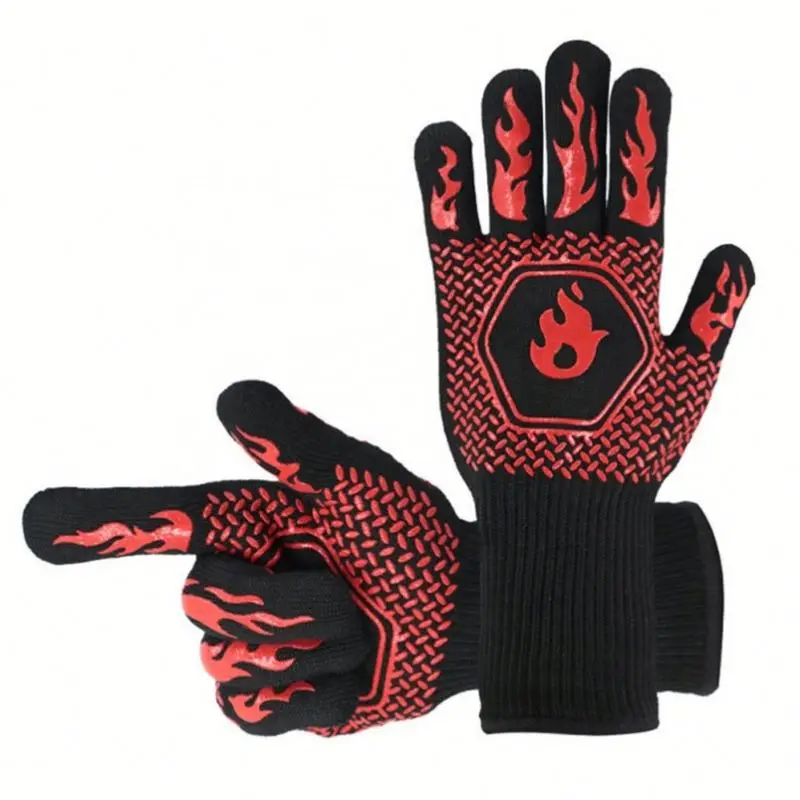
Maximum Heat Protection with Extended Coverage Design
The standout feature of extra large grill mitts lies in their exceptional heat protection capabilities, engineered to shield not just hands but extending coverage well up the forearm. This extended design addresses a critical safety gap that exists with traditional oven mitts, which often leave several inches of vulnerable skin exposed between the glove cuff and clothing sleeves. The extra large grill mitts typically extend 15-17 inches from fingertip to cuff, creating a protective barrier that covers the entire hand, wrist, and lower forearm area. This comprehensive coverage proves invaluable when reaching across wide grill surfaces, handling large roasts, or working with deep smokers where heat radiates from multiple directions. The heat resistance technology incorporated into extra large grill mitts utilizes advanced materials like aramid fibers, the same material used in firefighter gear, capable of withstanding direct contact with surfaces exceeding 932°F. The multi-layer construction creates an effective thermal barrier while maintaining flexibility for natural hand movement. The outer shell resists flames and direct heat contact, while inner insulation layers dissipate thermal energy before it can reach your skin. This protection level enables confident handling of extremely hot cookware, grill grates, and food items that would be impossible to manage safely with standard kitchen gloves. The extended coverage particularly benefits those who frequently cook large items like whole turkeys, beef briskets, or pork shoulders that require careful positioning and adjustment during cooking. When lifting these substantial pieces, the forearm protection prevents accidental contact with hot surfaces or radiant heat that could cause serious burns. The extra large grill mitts transform dangerous cooking tasks into manageable operations, allowing focus on technique and timing rather than safety concerns. This protection advantage extends beyond grilling to applications like bread baking in wood-fired ovens, pizza making, or any culinary activity involving sustained high-temperature exposure where standard protection falls short of providing adequate safety margins.