
 EN
EN



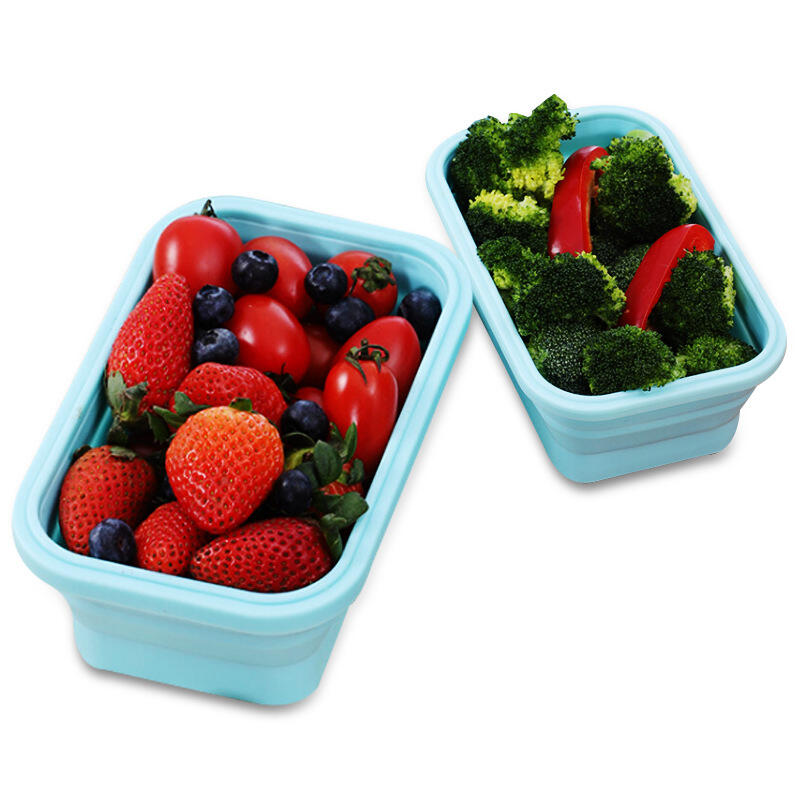
Choosing the right silicone lunch box has become an increasingly important decision for businesses, schools, households, and foodservice operators alike. As demand for safe, reusable, and eco-friendly food containers continues to grow, the market has expanded to include a wide variety of silicone lunch box options — each with different lid designs, compartment layouts, sealing mechanisms, and intended use cases. Understanding how these options differ helps buyers make informed procurement decisions rather than settling for a product that only partially meets their needs.
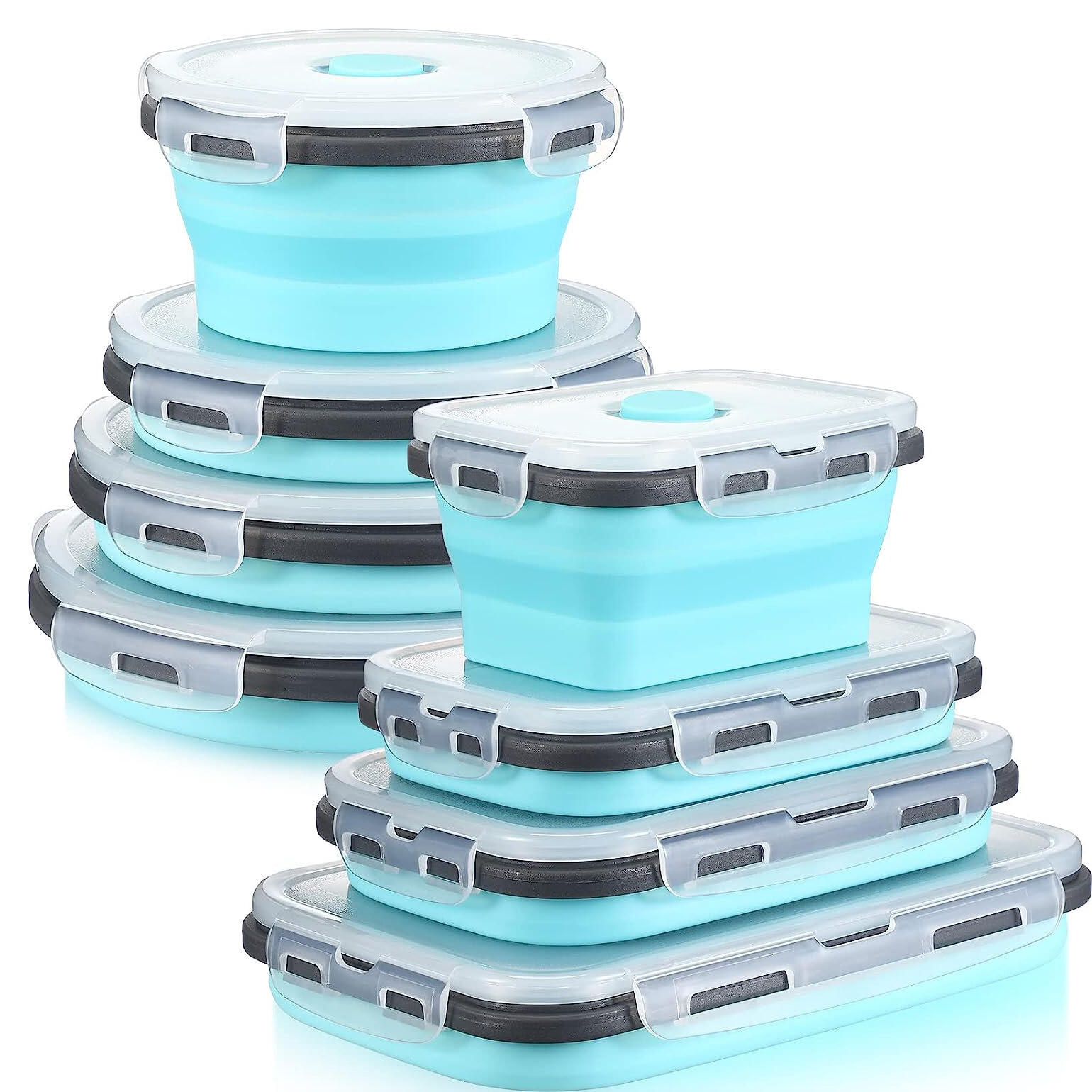
A silicone lunch box is far more than just a container — the lid system defines its practical value in real-world use. Lid options vary in terms of sealing method, material combination, ease of opening, microwave compatibility, and leakproof performance. When evaluating silicone lunch box products side by side, buyers should examine the lid type as a primary selection criterion rather than an afterthought. This article explores the key lid configurations available, how they compare across functional dimensions, and what factors should guide your selection depending on your specific application context.
Understanding Lid Types in Silicone Lunch Box Design
Snap-Lock Lid Configurations
One of the most common lid designs found on a silicone lunch box is the snap-lock or clip-lock mechanism. In this design, rigid or semi-rigid latching clips are integrated into the lid's sides, pressing down against the body of the container to form a secure seal. This configuration is particularly popular in meal prep and workplace lunch scenarios, where users need confidence that the container will not open accidentally during transport.
The snap-lock lid on a silicone lunch box typically involves a silicone body paired with a polypropylene (PP) or tritan plastic lid frame. This hybrid structure allows the silicone body to remain flexible and heat-resistant while the lid provides structural rigidity. For buyers sourcing in bulk — such as corporate cafeteria operators or meal kit service companies — snap-lock lids offer consistent sealing performance and tend to hold up well under daily use cycles.
One practical consideration with snap-lock silicone lunch box lids is their cleaning requirement. The clip mechanisms can accumulate food residue over time and may require attention during dishwashing. However, the overall durability and leakproof advantage typically outweigh this minor maintenance factor for most commercial and domestic applications.
Push-Down Silicone Sealing Lids
Another prevalent option is the push-down silicone lid, where the lid itself is made entirely or predominantly from food-grade silicone. These lids use compression and the inherent flexibility of silicone to form an airtight or near-airtight seal when pressed onto the container body. This type of silicone lunch box lid is valued for its simplicity — there are no moving parts, clips, or hinges to break over time.
Push-down silicone lids are especially well-suited for scenarios involving microwave reheating, as the all-silicone construction ensures no plastic components are exposed to high temperatures. A silicone lunch box designed for microwave use should ideally feature this type of lid, along with a small steam-release valve or vent to prevent pressure buildup during heating. This detail is an important differentiator when comparing options for corporate meal programs or school lunch initiatives.
The trade-off with push-down silicone lids is that they may not offer the same leakproof integrity as snap-lock alternatives, particularly when the container is inverted or carried in a bag alongside other items. For dry or semi-moist foods, they perform excellently. For soups, sauces, or liquid-heavy meals, a snap-lock design may be more suitable.
Compartment Layouts and Lid Compatibility
Single-Compartment Silicone Lunch Box Lids
Single-compartment silicone lunch box containers offer the most straightforward lid pairing. With no internal dividers to accommodate, the lid can be engineered purely for optimal sealing across a flat, uniform opening. This design is ideal for salads, sandwiches, grain bowls, or any meal where ingredient separation is not required. Many single-compartment silicone lunch box options on the market use push-down or snap-lock silicone lids due to their simplicity and reliability.
When sourcing single-compartment options at volume, buyers should evaluate lid thickness and edge seal quality. A thinner lid may flex excessively under pressure, reducing sealing effectiveness. A well-engineered single-compartment silicone lunch box will feature a lid with reinforced edges and a consistent gasket-like seal that maintains its elasticity over hundreds of open-close cycles.
Multi-Compartment Lid Systems
Multi-compartment silicone lunch box designs are increasingly popular for meal prep, school lunches, and portion-controlled eating programs. These containers feature two, three, or even four internal sections, each intended to hold a different food item. The lid system for a multi-compartment silicone lunch box must seal effectively across a more complex surface area, which introduces additional engineering challenges.
Some multi-compartment silicone lunch box options use a single lid that spans the entire container, relying on raised internal ridges to maintain cross-compartment separation even when the lid is engaged. Others use individual mini-lids or segmented sealing panels per compartment. The latter approach provides better leakproof performance between sections but may be more complex to assemble and clean.
For buyers evaluating multi-compartment silicone lunch box products for corporate catering or school programs, lid seal consistency across all compartments should be a non-negotiable quality benchmark. Request product samples and conduct leak tests with liquid-containing compartments before placing bulk orders.
Material Grades and Safety Certifications for Lids
Food-Grade Silicone vs. Mixed-Material Lids
When evaluating a silicone lunch box, material grade matters enormously — both for the container body and the lid. Lids made entirely from food-grade silicone (typically platinum-cured, FDA-compliant, or LFGB-certified) offer the highest standard of safety for direct food contact. They are free from BPA, phthalates, and other harmful plasticizers, making them suitable for use across all age groups including children.
Many silicone lunch box products on the market use a mixed-material approach — a silicone body with a polypropylene lid. While this is cost-effective and structurally sound, buyers should verify that the plastic lid components also meet food-grade safety standards. A silicone lunch box marketed as 'food safe' may have a lid that carries lower-grade plastic if the specification is not clearly stated by the manufacturer.
For procurement managers sourcing silicone lunch box products for schools, healthcare facilities, or hospitality operations, specifying certification requirements upfront is critical. Look for FDA 21 CFR, LFGB, or REACH compliance documentation covering both the silicone body and the lid materials independently.
Heat Resistance and Lid Performance
Another key differentiator when comparing silicone lunch box lid options is their heat tolerance. Food-grade silicone typically withstands temperatures from -40°C to 230°C, meaning all-silicone lids can handle microwave heating, oven warming, and dishwasher sanitization without degrading. This makes the silicone lunch box with an all-silicone lid one of the most versatile food container options available.
Plastic-lidded silicone lunch box containers, however, have more limited heat tolerance depending on the plastic type. Standard polypropylene lids can generally handle up to 120°C — sufficient for microwave use in most cases, but not for oven warming or steam sterilization at higher temperatures. Buyers in foodservice or healthcare settings should pay close attention to the lid's rated heat tolerance before specifying a silicone lunch box model for their operation.
Practical Factors for Bulk and Commercial Buyers
Durability and Long-Term Lid Performance
For organizations sourcing a silicone lunch box in volume, long-term lid durability is a central concern. A lid that loses its sealing ability after 50 wash cycles creates customer complaints, warranty costs, and reputational risk. When evaluating silicone lunch box options, ask suppliers for cycle-life testing data on the lid mechanism — specifically how many open-close cycles and dishwasher cycles the product has been validated for.
All-silicone lids generally outperform plastic-integrated lids in long-term elasticity retention. Silicone does not become brittle or crack under thermal cycling the way that some plastics do over time. For high-frequency use environments such as corporate canteens or school lunch programs, investing in a silicone lunch box with a fully silicone lid can reduce replacement frequency and lower total cost of ownership over the product's lifecycle.
Customization and Branding Considerations
Many B2B buyers sourcing a silicone lunch box at volume also seek custom branding options. Lids present a natural surface for logo embossing or debossing, color matching, and texture variation. Snap-lock plastic lids often accept pad printing or laser engraving more readily than all-silicone lids, which can limit branding options on otherwise excellent products.
If brand visibility is a key objective — as it would be for corporate gifting programs, promotional merchandise campaigns, or retail private-label lines — selecting a silicone lunch box with a plastic lid component may provide greater customization flexibility. Discuss mold modification possibilities and minimum order quantities with your supplier to understand what lid customization options are commercially viable for your volume and budget.
Color is another important consideration. A silicone lunch box lid can be produced in virtually any Pantone color when using silicone or food-grade plastic. However, deep or vivid colors may require higher pigment concentrations, which should be disclosed and verified against food safety requirements. Always request a material safety data sheet or equivalent documentation when ordering custom-color silicone lunch box lids for food contact applications.
FAQ
What lid type is best for a leakproof silicone lunch box?
For maximum leakproof performance, a snap-lock lid with an integrated silicone gasket provides the most reliable seal. This design is particularly recommended for liquid-heavy meals or when the silicone lunch box will be carried in a bag where it may shift or tip. Push-down silicone lids work well for drier foods but may not offer the same level of leakproof security under pressure or inversion.
Can the lid of a silicone lunch box go in the microwave?
It depends on the lid material. An all-silicone lid is generally microwave-safe, though it is advisable to leave a small gap or use a product with a built-in steam vent to prevent pressure buildup. Lids containing polypropylene plastic are often rated microwave-safe up to moderate temperatures, but you should always confirm this with the product's specific safety certification and temperature rating before use.
How do I evaluate silicone lunch box lid quality before placing a bulk order?
Request physical samples and perform your own seal and leak tests using water or a liquid food. Evaluate lid flex, hinge resistance, and sealing consistency over multiple open-close cycles. Ask the supplier for material certifications (FDA, LFGB, or REACH) covering both the container and lid components separately. Also verify the lid's heat resistance rating and confirm it aligns with your intended use scenario, whether that involves microwave, dishwasher, or ambient storage use.
Is a silicone lunch box with a mixed-material lid safe for children?
A silicone lunch box with a mixed-material lid can be safe for children provided all components carry appropriate food-grade certifications. Verify that the plastic lid portion is BPA-free and meets applicable standards such as FDA 21 CFR or EN 14372 for products intended for children. When in doubt, specifying an all-silicone lid configuration eliminates material safety concerns associated with plasticizers and is the most conservative choice for children's food products.