
 EN
EN



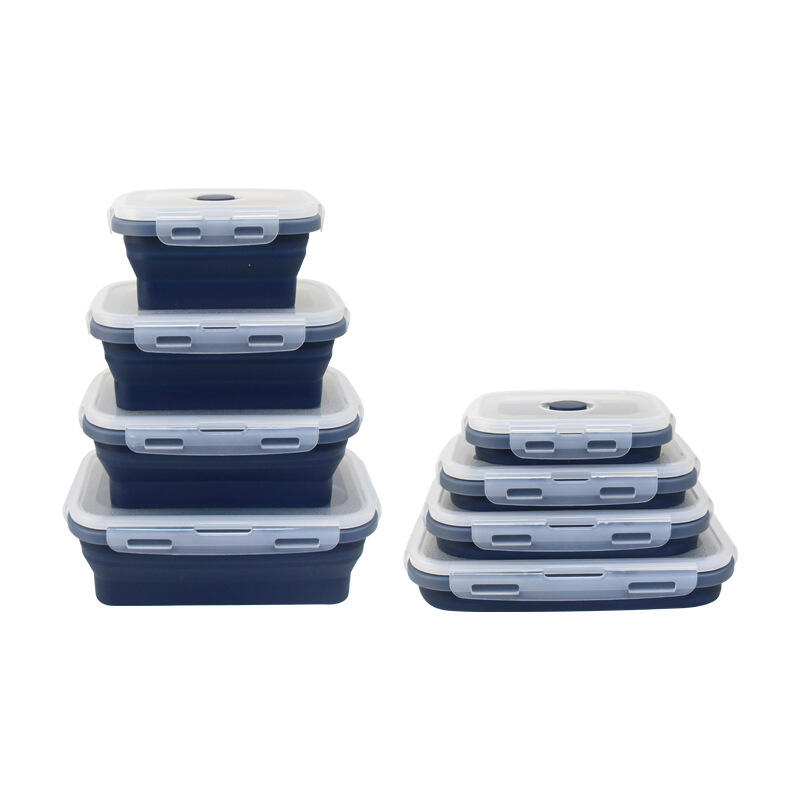
The modern workplace and school environment demand smarter solutions for everyday tasks, and mealtime is no exception. A well-designed silicone lunch box with a secure lid is rapidly becoming the go-to choice for professionals, parents, and procurement managers who want to combine convenience, food safety, and operational efficiency into a single, reusable product. The shift away from disposable containers and flimsy plastic alternatives is not just a lifestyle trend — it reflects a measurable improvement in how organizations and individuals manage daily food storage and transport.
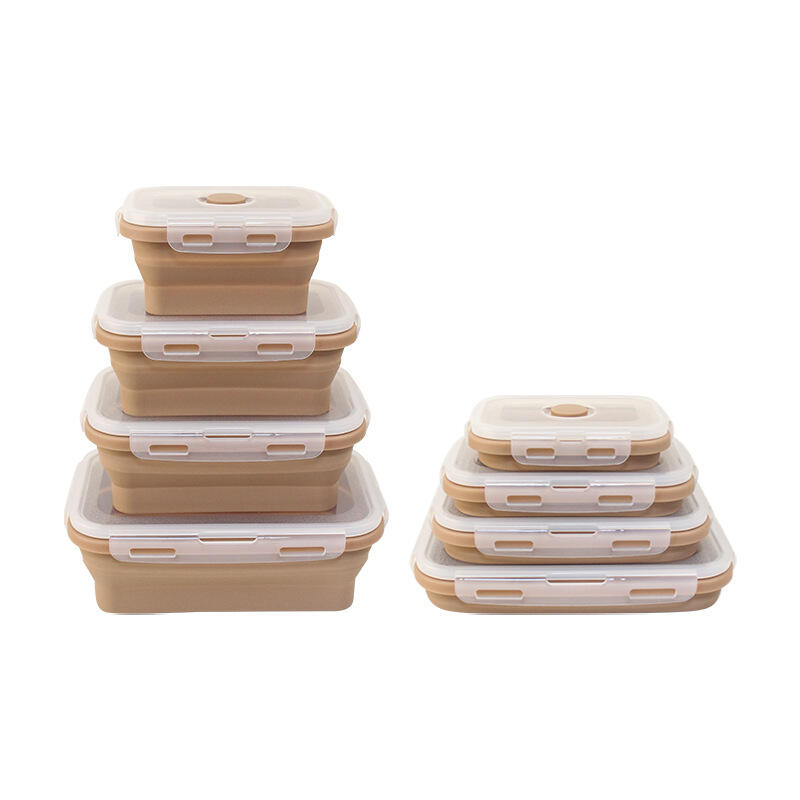
Understanding why the silicone lunch box with a lid stands out requires looking at the practical benefits it delivers across multiple dimensions — material durability, hygienic performance, seal integrity, and long-term cost efficiency. Whether you are outfitting a corporate catering program, sourcing for a school meal initiative, or simply upgrading personal food preparation habits, adopting the right silicone lunch box can dramatically streamline daily routines while supporting sustainability objectives. This article breaks down the key reasons and mechanisms behind the efficiency gains that come with making this switch.
Material Advantages That Drive Everyday Efficiency
Why Silicone Outperforms Conventional Plastics
The core material of a silicone lunch box is food-grade silicone, a polymer that combines rubber-like flexibility with glass-like chemical inertness. Unlike standard plastics such as polypropylene or polycarbonate, food-grade silicone does not leach harmful chemicals like BPA, phthalates, or styrene into food — even when exposed to high temperatures. This chemical stability means the silicone lunch box maintains its structural integrity whether it is used in a microwave, a freezer, or a dishwasher, which directly reduces the number of separate containers a user needs to own.
From an operational standpoint, the ability to move a silicone lunch box directly from freezer storage to microwave reheating without any transfer of food eliminates multiple steps in the meal preparation process. Time saved at each stage — packing, reheating, washing — accumulates into a meaningful efficiency gain over weeks and months. For organizations sourcing containers in bulk, this versatility also reduces the total number of SKUs required in a supply chain, simplifying procurement.
Silicone is also resistant to odors and staining, two common complaints with plastic containers. A silicone lunch box used for heavily spiced or pigmented foods like turmeric-based dishes or tomato sauces will not retain those colors or flavors after washing. This means the product stays functionally clean and aesthetically presentable over a longer lifespan, reducing replacement frequency and overall cost of ownership.
Durability and Longevity as Efficiency Multipliers
A high-quality silicone lunch box is rated to withstand thousands of use cycles without degrading. The material is inherently resistant to cracking, warping, and discoloration — failure modes that frequently sideline plastic and glass containers. In environments where containers are handled frequently, such as school cafeterias or office kitchens, this durability translates directly into fewer replacements and less downtime managing damaged equipment.
The flexibility of silicone also plays a practical role. A silicone lunch box can be compressed or folded when empty, making it significantly easier to store in compact spaces such as desk drawers, school bags, or travel kits. This space efficiency is especially relevant for professionals who carry multiple items daily and cannot afford bulky rigid containers occupying unnecessary bag volume. The collapsible design feature available in many silicone lunch box models optimizes both storage and portability simultaneously.
Long-term durability also supports sustainability commitments. Because a silicone lunch box does not need to be replaced as frequently as plastic alternatives, it generates less waste over time. For companies with environmental reporting obligations or ESG targets, switching to a durable silicone lunch box for employee meal programs is a small but documentable step toward reducing single-use plastic consumption at an organizational level.
The Lid Design and Its Role in Leak-Proof Efficiency
How Secure Lids Prevent Mess and Save Time
The lid is arguably the most operationally critical component of a silicone lunch box. A lid that seals improperly can result in food spillage during transport, contamination of adjacent items in a bag, and the need to re-pack or clean up — all of which introduce inefficiency into the user's routine. A well-engineered silicone lunch box lid uses a silicone gasket or a snap-lock mechanism to create an airtight or near-airtight seal that prevents leakage under normal transport conditions.
For liquid-rich foods such as soups, curries, or sauces, the leak-proof performance of the silicone lunch box lid becomes a critical quality threshold. Users who frequently carry such meals need absolute confidence in the seal, and a properly designed silicone lid delivers that assurance through compression-fit sealing technology. This removes the need for additional wrapping or secondary containment measures that would otherwise add steps and materials to the packing process.
The lid design also affects reheating efficiency. Many silicone lunch box lids are designed to vent steam safely during microwave use, either through a built-in valve or by allowing a corner to be lifted. This eliminates the need to remove the lid entirely during reheating, which reduces mess and speeds up the process. A silicone lunch box with a microwave-safe venting lid effectively becomes a self-contained meal reheating unit — an efficiency feature with tangible daily value.
Lid Integration with Compartment Design
Many modern silicone lunch box models feature multi-compartment interiors with a single unified lid. This design approach allows different food items — proteins, grains, vegetables — to be stored and transported in the same container without mixing, while still maintaining a single sealing surface. The result is fewer total containers to manage, fewer lids to track, and a more organized meal-packing workflow.
For users preparing meals in advance for multiple days, a compartmentalized silicone lunch box with a secure lid enables efficient batch cooking and portioning. The visual organization provided by fixed compartments simplifies both the packing and the eating experience. When everything has a designated space, less time is spent managing the container and more attention can be directed to the meal itself — a small but real gain in daily quality of life and focus.
In B2B sourcing contexts, the compartment-and-lid configuration also affects packaging efficiency. A silicone lunch box with an integrated multi-compartment lid stacks more predictably during shipping and storage than a collection of mismatched containers and loose lids. This translates into lower logistics costs per unit and reduced risk of damage during transit, both of which are meaningful efficiency considerations at scale.
Hygiene and Food Safety as Operational Priorities
Material Hygiene Properties of Silicone
Food safety is a non-negotiable dimension of meal container efficiency. A container that is difficult to clean, prone to bacterial harboring, or chemically reactive with food content introduces hidden costs in the form of health risks, regulatory exposure, and shortened product life. The silicone lunch box addresses each of these concerns through the inherent properties of its base material.
Food-grade silicone has a non-porous surface that does not absorb food particles, moisture, or bacteria in the way that some plastics and natural materials can. This non-porosity makes a silicone lunch box significantly easier to sanitize. A standard wash in hot soapy water or a dishwasher cycle is sufficient to bring the container back to a hygienically clean state, without the need for specialized cleaning agents or extended soaking times.
The temperature resistance of a silicone lunch box also supports sterilization flexibility. Because the material tolerates temperatures well beyond typical boiling points, a silicone lunch box can be sterilized by boiling if required — a feature particularly valued in childcare settings, food preparation environments subject to health inspections, or any context where the highest hygiene standards are expected. This sterilization capability is simply not available with most plastic containers.
Maintaining Food Quality During Storage and Transport
Efficiency in a lunch container is not only about how quickly it can be packed or cleaned — it also includes how well it preserves the quality of the food it carries. A silicone lunch box with an airtight lid significantly extends the freshness window of stored meals by limiting exposure to ambient air and the oxidation processes that degrade food quality. For meal-prep users who prepare food two to three days in advance, this extended freshness translates directly into better food quality at mealtime without additional effort.
The thermal properties of silicone are also relevant here. While a silicone lunch box is not an insulated container, silicone's low thermal conductivity means it holds temperature changes more gradually than thin plastic alternatives. Combined with an insulated bag, a silicone lunch box can maintain food at a safe temperature for a reasonable transport window — an important consideration for food safety compliance in institutional meal programs.
Silicone is also free from reactive components that could alter the taste or composition of food. A silicone lunch box stores acidic, salty, or oily foods without any chemical interaction, ensuring that the meal arrives at its destination tasting exactly as intended. This flavor integrity is a quality metric that users notice and value, reinforcing the case for the silicone lunch box as the superior daily meal container.
Procurement and Scalability Considerations for B2B Buyers
Total Cost of Ownership in Bulk Adoption
For businesses, schools, catering services, and food-program operators considering adoption of the silicone lunch box at scale, the procurement decision must account for total cost of ownership rather than unit price alone. While a silicone lunch box typically carries a higher initial unit cost than a disposable or low-grade plastic container, the extended service life and reduced replacement rate shift the long-term economics strongly in its favor.
An organization that replaces plastic containers every three to six months due to cracking, warping, or odor retention will spend significantly more over a two-year period than one that invests in a durable silicone lunch box expected to last several years. When multiplied across hundreds or thousands of units in a corporate or institutional program, this cost differential becomes a compelling financial argument that procurement teams can present with confidence.
Additionally, the standardization benefits of adopting a single silicone lunch box model across a program are worth quantifying. Uniform container dimensions simplify storage logistics, cleaning operations, and supply chain management. A single SKU with predictable demand is easier to reorder, stock, and manage than a mixed collection of container types and sizes — a supply chain efficiency that experienced procurement professionals recognize immediately.
Customization and Brand Alignment Opportunities
Many manufacturers of the silicone lunch box offer customization options that make bulk adoption more strategically valuable for businesses. Custom colors, logo embossing, and branded packaging can transform a functional procurement decision into a brand-building opportunity. A company that provides employees or clients with a well-designed, custom-branded silicone lunch box signals attention to quality and sustainability — both attributes that resonate with contemporary workforce and customer expectations.
For food service brands, a custom silicone lunch box can serve as a premium accessory in a product line or a value-added incentive in a subscription meal program. The perceived value of a silicone lunch box is notably higher than that of a plastic container of comparable volume, which means the customized version carries stronger brand equity and gift appeal. This elevated perceived value makes the silicone lunch box a smarter choice for marketing and promotional applications as well.
Scalability in production is also well-supported in the silicone manufacturing ecosystem. Mold-based production methods allow for consistent quality across large production runs, meaning a buyer can source thousands of identical silicone lunch box units with high confidence in dimensional accuracy and material consistency. This production reliability is a key efficiency factor in programs where container uniformity directly affects operational systems like storage racks, dishwashing equipment, or meal-tray configurations.
FAQ
Is a silicone lunch box safe for microwave and dishwasher use?
Yes. A food-grade silicone lunch box is engineered to withstand microwave heating and dishwasher cleaning cycles without degrading, warping, or releasing harmful substances. Always verify that the specific product carries recognized food-grade certifications and that its lid or any plastic components are similarly rated for the intended use conditions.
How does a silicone lunch box compare to glass containers in terms of efficiency?
A silicone lunch box offers significant practical advantages over glass containers in terms of weight, portability, and drop resistance. Glass is heavier and fragile, making it less suitable for daily commutes or school use. While glass provides excellent inertness, a high-quality silicone lunch box matches glass in food safety performance while being lighter, flexible, and far more durable in high-traffic daily use scenarios.
What is the typical lifespan of a silicone lunch box with regular use?
A properly maintained food-grade silicone lunch box can typically last three to five years or more under regular daily use. The key factors affecting lifespan include the quality of the silicone compound, the frequency of exposure to extreme temperatures, and how the lid seal is maintained. Avoiding sharp utensils inside the container and storing it away from direct prolonged sunlight will help preserve the silicone lunch box for its maximum service life.
Can a silicone lunch box be used for hot foods immediately after cooking?
Yes. Food-grade silicone is rated for high-temperature resistance, generally up to 220 degrees Celsius or higher depending on the product specification. This means hot foods can be placed directly into a silicone lunch box without risk of deformation or chemical migration. However, users should confirm the heat rating of the specific lid material, as some lids incorporate plastic components with lower temperature tolerances than the silicone body itself.