
 EN
EN


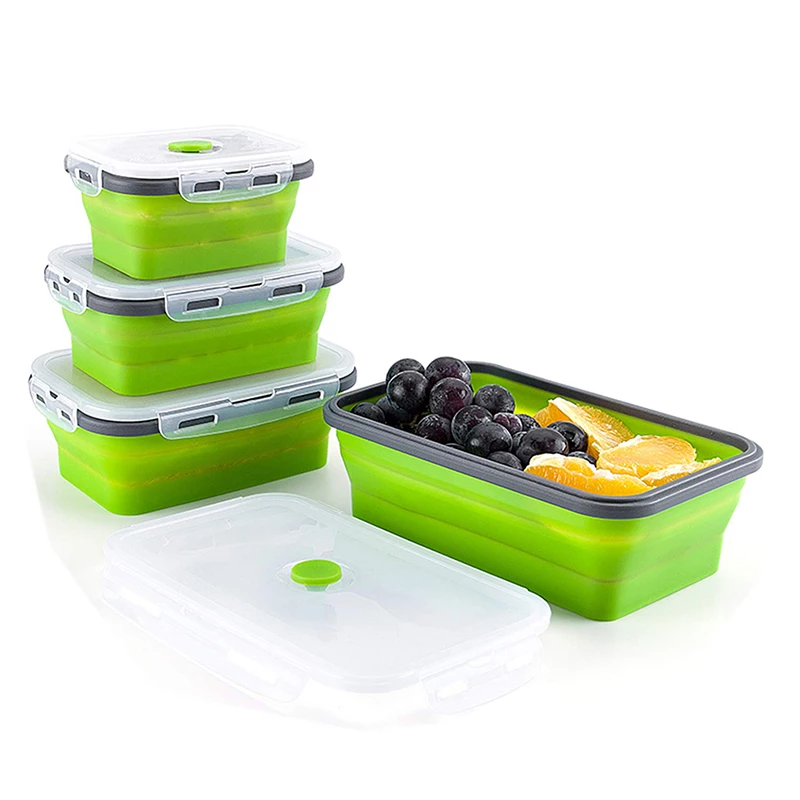
The conversation around sustainable living has moved well beyond reusable shopping bags and metal straws. Today, professionals, parents, and environmentally conscious consumers are rethinking every single-use item in their daily routines — including how they carry their meals. The silicone lunch box has emerged as one of the most practical and genuinely green alternatives to plastic food containers, and understanding why requires a closer look at the material, the lifecycle, and the real-world impact of making this switch.
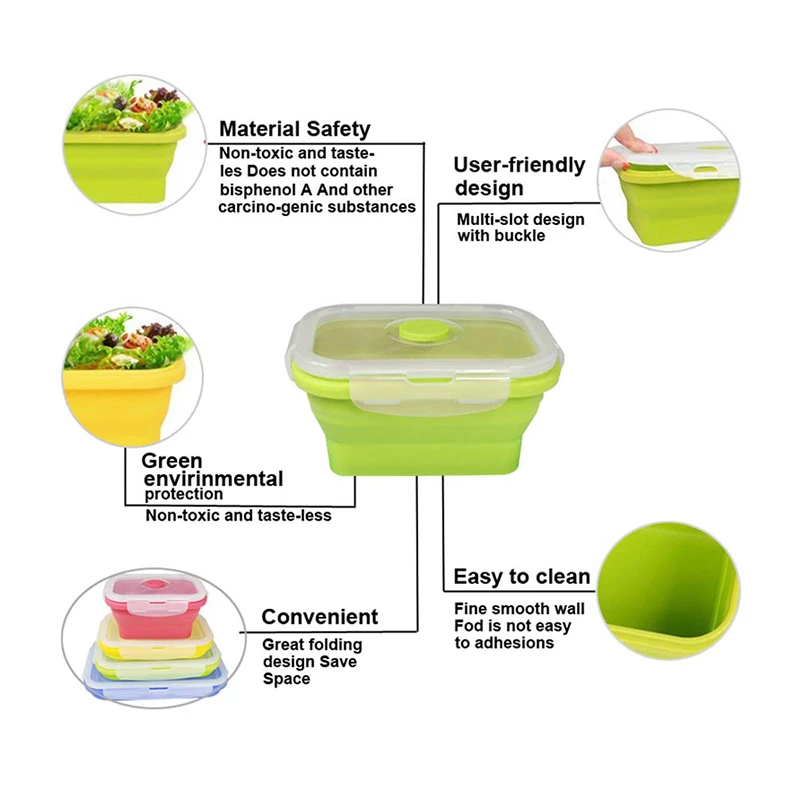
A silicone lunch box is not simply a trendy product with green marketing attached to it. It represents a meaningful shift in material science applied to everyday food storage. Silicone, derived from silicon — one of the most abundant elements on earth — offers a combination of durability, food safety, and environmental resilience that few other materials can match at the same price point. This article breaks down exactly what makes the silicone lunch box a credible eco-friendly choice, and what buyers and procurement teams should understand before committing to this category.
What Makes Silicone a Genuinely Eco-Friendly Material
The Composition and Origin of Food-Grade Silicone
Food-grade silicone is a synthetic polymer made primarily from silica, which is derived from sand. Unlike petroleum-based plastics, silicone does not rely on crude oil as its primary feedstock, which immediately reduces its dependency on fossil fuel extraction. This distinction matters when evaluating the environmental footprint of a silicone lunch box from a raw material perspective.
The production process for food-grade silicone does involve energy input and chemical processing, so it is not entirely without environmental cost. However, when that cost is spread across the full usable lifespan of a silicone lunch box — which can span many years of daily use — the per-use environmental impact drops dramatically compared to disposable plastic alternatives. The math strongly favors silicone when lifecycle analysis is applied honestly.
Food-grade silicone is also inert, meaning it does not react with food, beverages, or cleaning agents under normal conditions. It contains no BPA, phthalates, or other endocrine-disrupting chemicals that are commonly associated with lower-grade plastics. For health-conscious consumers and regulated food service environments, this chemical stability is a core part of the eco and safety value proposition.
Durability as an Environmental Advantage
One of the most underappreciated environmental benefits of a silicone lunch box is its resistance to degradation. Silicone does not crack, warp, or become brittle when exposed to temperature extremes. A well-made silicone lunch box can go from freezer to microwave to dishwasher without losing structural integrity, which means it stays in active use far longer than plastic containers that degrade with repeated thermal cycling.
Durability is a direct environmental metric. Every year a silicone lunch box remains in use is a year that a disposable or short-lived plastic container does not need to be manufactured, shipped, and eventually discarded. For businesses sourcing food containers at scale — corporate cafeterias, meal prep services, school programs — this durability translates into measurable reductions in procurement frequency and waste volume.
The flexibility of silicone also contributes to its longevity. Unlike rigid plastic or glass, a silicone lunch box can absorb minor impacts without cracking. This physical resilience means fewer units are lost to accidental damage, further extending the average service life of each container in a fleet or household.
How the Silicone Lunch Box Reduces Plastic Waste
Replacing Single-Use and Short-Life Plastic Containers
The global plastic waste crisis is driven largely by single-use and low-durability items. Thin plastic containers, disposable lunch trays, and low-cost food storage bags contribute enormous volumes of non-biodegradable waste to landfills and waterways each year. Replacing these items with a silicone lunch box at the individual or institutional level creates a direct and measurable reduction in plastic waste generation.
A single silicone lunch box used daily for three years replaces hundreds of disposable containers or plastic bags. When this substitution is scaled across a school district, a corporate office, or a meal delivery program, the aggregate plastic displacement becomes significant. This is why sustainability-focused procurement teams increasingly specify silicone lunch box products as part of their waste reduction commitments.
It is also worth noting that silicone does not shed microplastics in the way that degrading plastic containers do. As plastic food containers age and are exposed to heat, acids, and mechanical stress, they can release microscopic plastic particles into food and the environment. A silicone lunch box does not exhibit this behavior under normal use conditions, which addresses one of the more concerning aspects of plastic food contact materials.
End-of-Life Considerations for Silicone
No material is perfectly circular, and silicone is no exception. Standard municipal recycling programs do not typically accept silicone, which means a silicone lunch box at the end of its life requires specialized recycling pathways or industrial composting facilities. This is a legitimate limitation that should be acknowledged honestly rather than glossed over in sustainability claims.
However, the end-of-life challenge for silicone is substantially offset by its extraordinary service life. A silicone lunch box that lasts a decade before requiring disposal generates far less cumulative waste than ten annual replacements of a cheaper plastic alternative. The environmental burden is concentrated at one disposal event rather than distributed across many, and the total material volume entering the waste stream is lower.
Some manufacturers and industrial processors do accept silicone for downcycling into other silicone products or as filler material. As silicone becomes more prevalent in consumer goods, the infrastructure for its end-of-life management is gradually improving. Buyers who prioritize circular economy principles should look for take-back programs or industrial recycling partnerships when sourcing a silicone lunch box at scale.
Practical Green Benefits in Daily and Commercial Use
Energy Efficiency in Cleaning and Maintenance
A silicone lunch box is dishwasher safe, which may seem like a minor convenience feature but carries real environmental implications. Dishwashers, particularly modern energy-efficient models, use significantly less water than hand-washing multiple containers. When a silicone lunch box is cleaned in a full dishwasher load rather than individually hand-washed, the per-item water and energy consumption drops considerably.
Silicone's non-stick surface also means that food residue releases easily without requiring harsh chemical detergents or prolonged soaking. This reduces the volume of cleaning agents entering wastewater systems, which is a meaningful benefit in high-volume food service environments where dozens or hundreds of silicone lunch box units are cleaned daily.
The thermal stability of silicone means it does not require special handling or storage conditions. It can be stacked, compressed, and stored at ambient temperature without degradation, reducing the energy overhead associated with maintaining food container inventories in commercial settings.
Reducing Packaging Waste in Food Service and Retail
In commercial food service contexts, the shift to a reusable silicone lunch box model can dramatically reduce the packaging waste generated per meal served. Cafeterias, corporate dining programs, and institutional food providers that transition from disposable containers to a silicone lunch box system eliminate a continuous stream of single-use packaging from their operations.
For retail and meal kit businesses, offering a silicone lunch box as part of a reusable packaging program aligns with growing consumer expectations around brand sustainability. Customers increasingly evaluate brands on their environmental commitments, and visible, functional sustainability tools like a silicone lunch box carry stronger credibility than abstract carbon offset claims.
The collapsible design available in many silicone lunch box formats also reduces storage and shipping volume, which has downstream logistics benefits. Fewer trucks, less packaging material, and more efficient warehouse utilization all contribute to a lower operational carbon footprint for businesses that adopt silicone lunch box products at scale.
Evaluating the Silicone Lunch Box for B2B and Institutional Procurement
Key Quality and Compliance Criteria
For procurement teams evaluating a silicone lunch box for institutional or commercial use, material certification is the first checkpoint. Food-grade silicone should comply with relevant food contact material standards, such as FDA regulations in the United States or LFGB standards in Europe. These certifications confirm that the silicone formulation does not leach harmful substances into food under normal use and temperature conditions.
Wall thickness and structural design are also important quality indicators. A silicone lunch box intended for daily commercial use should have sufficient wall thickness to maintain shape when filled and to resist deformation under stacking loads. Thin-walled silicone containers may be adequate for light personal use but can underperform in high-turnover institutional environments.
Lid seal integrity is another critical factor. A silicone lunch box used for transporting liquids or sauced foods must maintain a reliable seal to prevent leakage. Procurement teams should request leak-test documentation or conduct their own testing under realistic use conditions before committing to large-volume orders.
Aligning Silicone Lunch Box Sourcing with Sustainability Goals
Organizations with formal environmental, social, and governance commitments should evaluate their silicone lunch box sourcing against those frameworks. This includes assessing the manufacturing process of the silicone lunch box supplier, the energy sources used in production, and the supplier's own waste management practices. A silicone lunch box that is produced in a facility with poor environmental controls partially undermines the sustainability narrative.
Longevity guarantees and warranty terms are also relevant sustainability metrics. A supplier that stands behind the durability of their silicone lunch box with a meaningful warranty is implicitly committing to the product's long service life, which is the foundation of its environmental value. Short warranty periods on a silicone lunch box should prompt questions about actual expected lifespan.
Bulk packaging efficiency is worth evaluating as well. A silicone lunch box that ships in minimal, recyclable packaging reduces the total material footprint of the procurement process. Some suppliers offer packaging optimization for large orders, which can meaningfully reduce the inbound logistics waste associated with institutional silicone lunch box purchases.
FAQ
Is a silicone lunch box truly better for the environment than plastic?
Yes, when evaluated over its full lifecycle. A silicone lunch box has a higher production footprint than a single disposable plastic container, but its multi-year durability means the per-use environmental impact is far lower. The absence of microplastic shedding and the elimination of repeated single-use plastic waste make the silicone lunch box a genuinely greener choice for regular use.
Can a silicone lunch box be recycled at the end of its life?
Standard curbside recycling programs typically do not accept silicone. However, specialized industrial recyclers and some manufacturer take-back programs can process silicone materials. The more important environmental point is that a high-quality silicone lunch box should last many years before reaching end-of-life, significantly reducing the frequency of disposal compared to plastic alternatives.
What certifications should I look for when sourcing a silicone lunch box?
Look for food-grade silicone certifications relevant to your market, such as FDA compliance for the US market or LFGB certification for European markets. These standards confirm that the silicone lunch box material is safe for food contact. Additional certifications related to manufacturing environmental standards can further validate the sustainability credentials of the product and its supplier.
Is a silicone lunch box suitable for hot food and microwave use?
Food-grade silicone is generally rated for temperatures ranging from well below freezing to above 200 degrees Celsius, making a silicone lunch box suitable for both frozen food storage and microwave reheating. Always verify the specific temperature ratings provided by the manufacturer, as design variations and lid materials may have different thermal limits than the silicone body itself.