
 EN
EN


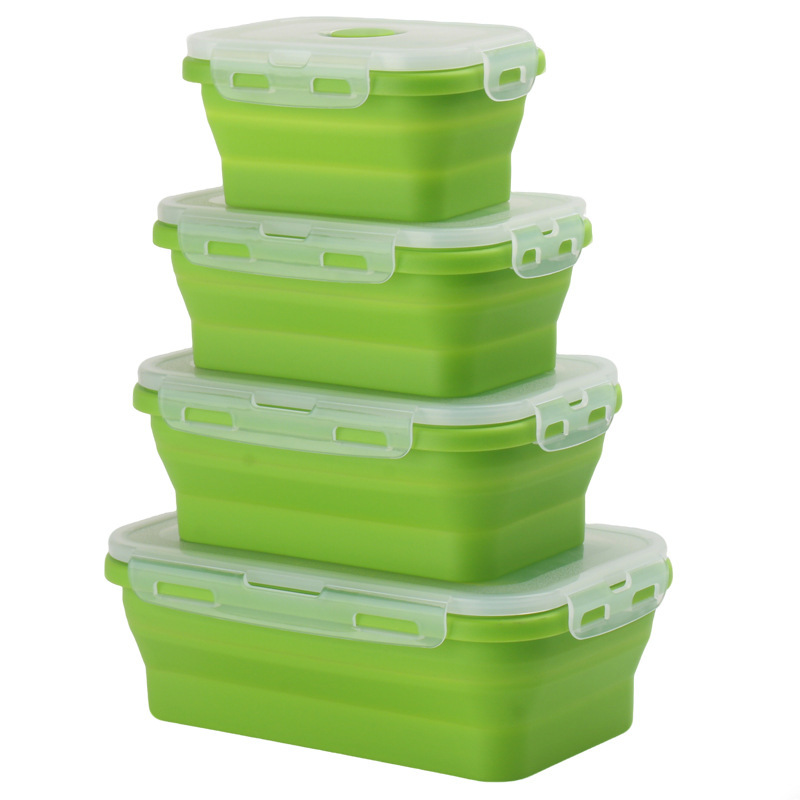
When evaluating sustainable food storage options for daily use, the silicone lunch box has emerged as one of the most discussed alternatives to plastic and metal containers. Buyers across B2B procurement teams, school supply coordinators, and eco-conscious retail buyers are asking the same question: does a silicone lunch box genuinely deliver on its environmental and functional promises, or is it simply a premium-priced trend? This evaluation digs into the real-world performance, material integrity, and long-term value of the silicone lunch box to help you make a well-informed decision.
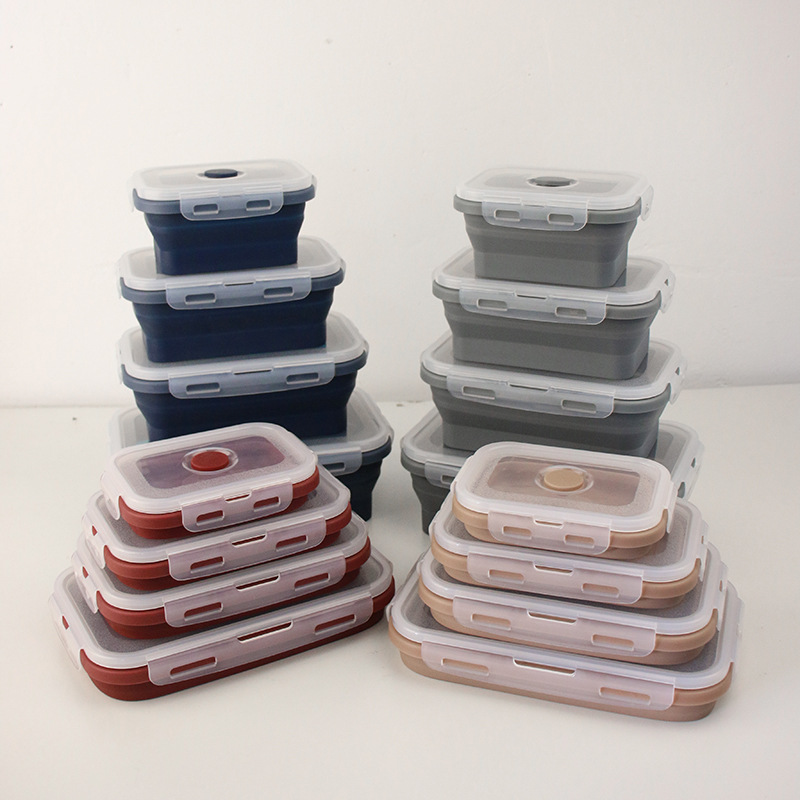
The short answer is yes — a silicone lunch box is worth it for most buyers who prioritize durability, food safety, and reduced environmental impact. But the full picture is more nuanced. The value of a silicone lunch box depends heavily on how it is used, what it replaces, and what performance standards matter most to the end user. This article walks through each of those dimensions systematically so you can evaluate the silicone lunch box against your specific needs rather than relying on marketing language alone.
Understanding What Makes a Silicone Lunch Box Different
Material Composition and Food-Grade Standards
A silicone lunch box is made from food-grade silicone, a synthetic polymer derived from silicon, oxygen, carbon, and hydrogen. Unlike conventional plastics, food-grade silicone does not contain BPA, phthalates, or other endocrine-disrupting chemicals that have raised health concerns in recent years. This makes the silicone lunch box a structurally safer choice for storing meals, especially for children and individuals with chemical sensitivities.
Food-grade silicone used in a quality silicone lunch box must meet regulatory standards such as FDA approval in the United States or LFGB certification in Europe. These certifications confirm that the material does not leach harmful substances into food under normal use conditions, including exposure to heat, cold, and acidic or oily foods. When sourcing a silicone lunch box at scale, verifying these certifications is a non-negotiable step in the procurement process.
The density and purity of the silicone also affect performance. A high-quality silicone lunch box uses platinum-cured silicone rather than peroxide-cured silicone, which can leave trace byproducts. Platinum-cured silicone is odorless, tasteless, and more resistant to degradation over time, making it the preferred standard for food contact applications.
Structural Design and Functional Versatility
The silicone lunch box is available in a wide range of structural formats — collapsible designs, rigid-walled containers, compartmentalized trays, and bento-style configurations. This design flexibility is one of the key reasons the silicone lunch box has gained traction in both consumer and institutional markets. A collapsible silicone lunch box, for example, compresses flat when empty, making it ideal for commuters, travelers, and school environments where storage space is limited.
Rigid silicone lunch box designs offer better structural protection for delicate foods and are easier to stack in bags or lockers. Many silicone lunch box models also feature airtight or leak-resistant lids, which are critical for transporting soups, sauces, and moist foods without spillage. The lid material is often a combination of silicone and polypropylene, and buyers should confirm that the lid components also meet food-grade standards.
Eco Credentials: How Sustainable Is a Silicone Lunch Box Really?
Lifecycle Comparison Against Plastic Alternatives
One of the primary reasons buyers consider a silicone lunch box is its environmental positioning. Compared to single-use plastic bags and disposable containers, a silicone lunch box offers a dramatically lower per-use environmental footprint when used consistently over its lifespan. A well-maintained silicone lunch box can last five to ten years or more, which means the upfront material and energy cost of production is amortized across thousands of uses.
However, it is important to acknowledge that silicone is not biodegradable. A silicone lunch box that ends up in a landfill will persist for a very long time. The eco advantage of a silicone lunch box is therefore conditional on actual long-term use. Buyers who replace their silicone lunch box frequently or dispose of it prematurely reduce the sustainability benefit significantly. This is a key consideration for procurement teams designing product replacement cycles or sustainability reporting frameworks.
Compared to stainless steel lunch boxes, the silicone lunch box has a lower production energy cost and is lighter in weight, which reduces transportation emissions across the supply chain. Compared to glass containers, the silicone lunch box is shatterproof and significantly lighter, reducing breakage waste and making it more practical for daily use in schools and workplaces.
Recyclability and End-of-Life Considerations
Silicone recycling infrastructure is limited in most regions, which is a genuine limitation of the silicone lunch box from a circular economy perspective. While silicone can technically be recycled into lower-grade materials such as playground mulch or industrial lubricants, most municipal recycling programs do not accept silicone products. Buyers and brands committed to full lifecycle sustainability should factor this into their product strategy.
Some manufacturers offer take-back or recycling programs for silicone products, which can partially address this gap. For B2B buyers sourcing a silicone lunch box for branded merchandise, corporate gifting, or institutional supply, partnering with suppliers who have end-of-life programs in place strengthens the overall sustainability narrative and reduces liability around disposal claims.
Performance Evaluation: Daily Use, Heat Resistance, and Cleaning
Temperature Range and Microwave or Oven Compatibility
A major functional advantage of the silicone lunch box is its broad temperature tolerance. Food-grade silicone typically withstands temperatures ranging from approximately -40°C to 230°C, which means a silicone lunch box can safely transition from freezer storage to microwave reheating without material degradation or chemical release. This thermal versatility is a significant practical benefit for users who meal prep in advance and reheat food at work or school.
Not all silicone lunch box designs are oven-safe, particularly those with plastic lid components. Buyers should review product specifications carefully and confirm the maximum safe temperature for each component. A silicone lunch box used in food service or catering environments may require higher heat tolerance than a standard consumer model, and sourcing the appropriate specification matters for both safety and compliance.
Cleaning, Odor Retention, and Stain Resistance
The silicone lunch box is dishwasher-safe in most configurations, which simplifies cleaning routines for both household and institutional users. Silicone's non-porous surface resists bacterial growth and does not absorb food odors as readily as plastic, making the silicone lunch box more hygienic over repeated use cycles. However, silicone can absorb strong odors from highly aromatic foods such as garlic, onion, or certain spices if exposed repeatedly without thorough cleaning.
To address odor retention in a silicone lunch box, periodic deep cleaning with baking soda paste or a diluted vinegar solution is effective. Some users also find that baking the empty silicone lunch box at a low oven temperature for a short period helps release absorbed odors. These maintenance steps are minor but worth communicating to end users, particularly in institutional or branded product contexts where user experience reflects on the product's perceived quality.
Staining is another consideration. A silicone lunch box used to store tomato-based sauces, curries, or brightly colored foods may develop surface discoloration over time. This does not affect food safety or structural integrity, but it can affect the aesthetic appeal of the silicone lunch box, which matters for consumer-facing products and branded merchandise. Choosing darker silicone colors or opaque designs can minimize the visual impact of staining.
Cost-Value Analysis for B2B and Bulk Buyers
Unit Cost Versus Long-Term Value
The upfront cost of a silicone lunch box is higher than a comparable plastic container. For bulk procurement, this price differential is a real consideration, particularly for buyers managing tight budgets in education, healthcare, or corporate gifting programs. However, the total cost of ownership calculation shifts significantly when durability and replacement frequency are factored in. A silicone lunch box that lasts five or more years without cracking, warping, or discoloring represents a lower annualized cost than a plastic container replaced every one to two years.
For branded merchandise and promotional product buyers, the silicone lunch box also carries a higher perceived value than plastic alternatives, which supports premium positioning and stronger brand association. The tactile quality, visual appeal, and eco credentials of a silicone lunch box make it a more effective brand vehicle in markets where sustainability and quality are key brand values.
Minimum Order Quantities and Customization Options
B2B buyers sourcing a silicone lunch box at volume should evaluate suppliers on minimum order quantities, lead times, and customization capabilities. A silicone lunch box can be produced in custom colors, with embossed or printed logos, and in proprietary shapes or compartment configurations. These customization options add cost but significantly increase the product's differentiation value in competitive retail or gifting markets.
Quality control is a critical factor when sourcing a silicone lunch box at scale. Buyers should request material certifications, conduct pre-shipment inspections, and test samples for odor, flexibility, seal integrity, and heat resistance before committing to large orders. A silicone lunch box that fails in the field — through lid leakage, material tearing, or odor complaints — creates customer service costs and brand damage that far exceed any savings from lower unit pricing.
FAQ
Is a silicone lunch box safe for children to use daily?
Yes, a food-grade silicone lunch box is considered safe for children when it meets recognized certifications such as FDA or LFGB standards. It does not contain BPA or phthalates, and it does not leach harmful chemicals into food under normal use conditions including microwave reheating. Always verify the certification documentation when purchasing a silicone lunch box for children's use.
How long does a silicone lunch box typically last?
A well-made silicone lunch box can last five to ten years or more with proper care. The material is resistant to cracking, warping, and UV degradation, which are common failure points for plastic containers. Longevity depends on usage frequency, cleaning practices, and the quality of the silicone used in production. High-purity, platinum-cured silicone generally offers the longest service life.
Can a silicone lunch box be used in the microwave and freezer?
Most food-grade silicone lunch box products are compatible with both microwave and freezer use. Silicone tolerates a wide temperature range, typically from around -40°C to 230°C, making it suitable for freezing meals and reheating them directly in the container. However, buyers should confirm that all components of the silicone lunch box, including the lid, are rated for the intended temperature range before use.
What is the best way to remove odors from a silicone lunch box?
To remove absorbed odors from a silicone lunch box, apply a paste of baking soda and water to the interior surface, let it sit for several hours, then rinse thoroughly. Alternatively, soaking the silicone lunch box in a diluted white vinegar solution or placing it in a low-temperature oven for 20 to 30 minutes can help release trapped odors. Regular dishwasher cleaning after each use minimizes odor buildup over time.