
 EN
EN



High-heat outdoor grilling exposes hands to extreme temperatures that can reach 500°F or higher, making proper hand protection essential for safe barbecue operations. Understanding how barbecue gloves create an effective barrier against thermal injury requires examining their multi-layered construction, heat-resistant materials, and specialized design features that enable confident handling of hot grill components, burning charcoal, and searing cookware during extended outdoor cooking sessions.
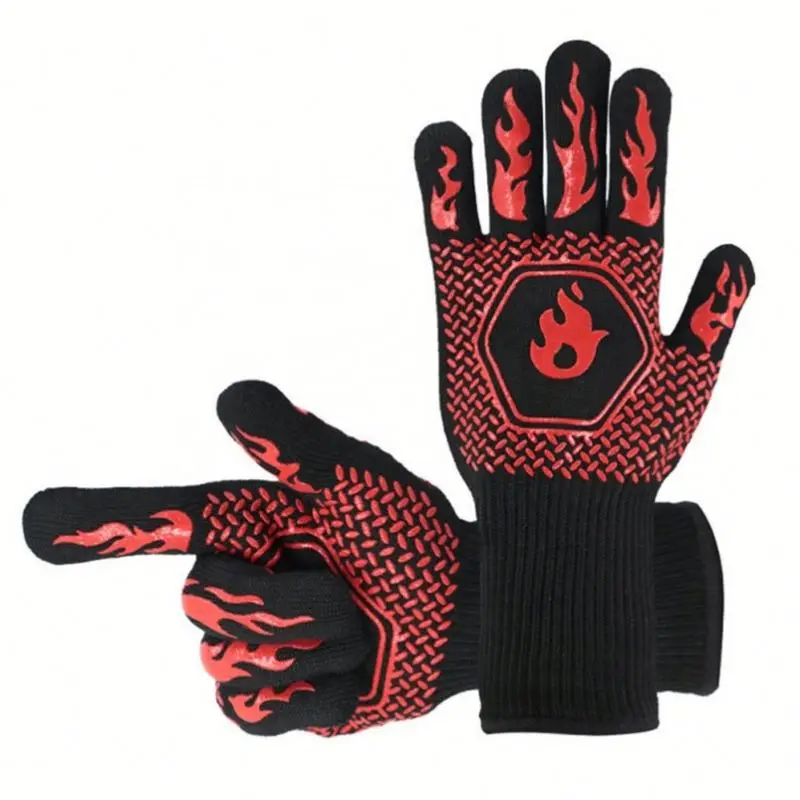
The protective mechanism of barbecue gloves operates through engineered thermal insulation systems that prevent heat transfer from external surfaces to skin tissue, while maintaining sufficient dexterity for precise food handling and grill management. These protective systems combine advanced materials science with ergonomic design principles to create functional barriers that withstand direct contact with heated metal surfaces, open flames, and radiant heat sources commonly encountered in outdoor grilling environments.
Material Composition and Heat Resistance Properties
Silicone Outer Shell Construction
The outer shell of quality barbecue gloves typically features food-grade silicone that provides direct heat resistance up to 500°F while maintaining flexibility during use. This silicone layer serves as the primary thermal barrier, creating a non-conductive surface that prevents heat transfer from hot grill grates, cooking surfaces, and heated cookware to the inner protective layers.
Silicone construction offers superior grip performance on smooth metal surfaces, preventing dangerous slippage when handling hot pans, grill tools, or shifting burning logs. The material's inherent flexibility allows natural finger movement and object manipulation, ensuring that barbecue gloves maintain usability while providing maximum thermal protection during critical grilling operations.
Food-grade silicone materials resist staining, odor absorption, and degradation from exposure to cooking oils, marinades, and cleaning chemicals commonly used in outdoor grilling environments. This chemical resistance ensures that barbecue gloves maintain their protective integrity through repeated use cycles and thorough cleaning procedures required for food safety compliance.
Internal Insulation Layer Systems
Beneath the silicone exterior, effective barbecue gloves incorporate cotton or aramid fiber insulation layers that trap air pockets to reduce thermal conductivity. These internal layers create additional thermal barriers that slow heat transfer rates, extending the safe handling time for extremely hot objects during grilling operations.
Cotton insulation provides natural breathability that prevents moisture buildup inside barbecue gloves during extended use periods. This moisture management prevents the dangerous steam burns that can occur when wet materials contact heated surfaces, while maintaining comfortable wearing conditions during long grilling sessions.
Advanced barbecue gloves may incorporate specialized synthetic insulation materials that offer enhanced thermal protection while reducing bulk and weight. These materials maintain their insulating properties even when compressed, ensuring consistent protection levels regardless of grip pressure or hand positioning during use.
Thermal Transfer Prevention Mechanisms
Conduction Heat Blocking
Barbecue gloves prevent conductive heat transfer through direct material contact by creating multiple resistance barriers between external heat sources and skin tissue. The combination of low-conductivity silicone and insulating inner layers effectively blocks thermal energy transmission through solid contact with hot metal surfaces, cooking grates, and heated tools.
The thickness and density of protective materials in quality barbecue gloves are specifically engineered to provide optimal thermal resistance without compromising hand mobility. This balance ensures that users can safely grasp hot objects for extended periods while maintaining the finger dexterity needed for precise food handling and grill adjustment tasks.
Surface texture patterns molded into the silicone exterior reduce the actual contact area between barbecue gloves and hot surfaces, further limiting conductive heat transfer. These textured patterns also enhance grip security, preventing accidental drops that could result in burns or food contamination during grilling operations.
Radiant Heat Deflection
The reflective properties of silicone materials used in barbecue gloves help deflect radiant heat energy emitted by open flames, glowing coals, and heated cooking surfaces. This deflection reduces the ambient temperature exposure experienced by hands when working near intense heat sources during outdoor grilling activities.
Light-colored silicone surfaces are particularly effective at reflecting thermal radiation, keeping the exterior temperature of barbecue gloves lower during exposure to radiant heat sources. This temperature reduction extends safe wearing time and improves user comfort during extended grilling sessions involving high-heat cooking methods.
The extended cuff design common in professional barbecue gloves provides additional protection against radiant heat exposure to wrists and forearms. This extended coverage prevents burns during reaching motions over hot grilling surfaces or when adjusting dampers and vents on charcoal grills.
Design Features for Grilling Safety
Extended Cuff Protection
Professional-grade barbecue gloves feature extended cuffs that protect forearms from heat exposure during reaching motions over hot grill surfaces. These longer cuffs prevent burns when users need to access items positioned deep within grill chambers or when adjusting cooking positions on large outdoor cooking systems.
The extended coverage provided by longer cuffs also protects against splashing grease and hot liquid spills that commonly occur during outdoor grilling operations. This additional protection reduces injury risk from accidental contact with hot cooking liquids, melted fats, and marinades that reach dangerous temperatures during high-heat cooking processes.
Properly designed cuff extensions maintain flexibility at the wrist joint, allowing natural hand movement while providing thermal protection. This design balance ensures that barbecue gloves do not restrict motion or create safety hazards through reduced dexterity during critical cooking operations.
Grip Enhancement Technology
Surface texturing on barbecue gloves incorporates raised patterns and channel designs that improve grip security on smooth metal surfaces, wet cookware, and oily tools. These grip enhancements prevent dangerous slippage incidents that could result in burns, cuts, or food contamination during grilling operations.
The texture patterns also facilitate secure handling of irregularly shaped items such as corn cobs, whole fish, and large roasts that require firm grip control during high-temperature cooking processes. Enhanced grip capability allows confident manipulation of food items without excessive pressure that could damage delicate preparations.
Strategic placement of grip enhancement features focuses on fingertip and palm areas where contact pressure is typically highest during object manipulation. This targeted approach maximizes grip effectiveness while maintaining overall glove flexibility and comfort during extended wear periods.
Performance During High-Temperature Grilling
Direct Contact Temperature Limits
Quality barbecue gloves are tested to withstand direct contact with surfaces reaching 500°F for specified time periods, typically ranging from 10 to 30 seconds depending on construction quality. These temperature limits enable safe handling of pre-heated grill grates, cast iron cookware, and other cooking surfaces that reach extreme temperatures during outdoor grilling operations.
The actual safe handling time varies based on contact pressure, surface area, and individual heat sensitivity, requiring users to understand their equipment limitations and personal comfort thresholds. Professional barbecue gloves provide clear temperature ratings and time guidelines to help users make informed safety decisions during high-heat cooking activities.
Extended contact with surfaces exceeding rated temperature limits can cause thermal breakthrough, where heat penetrates the protective barriers and reaches skin tissue. Understanding these limits helps users avoid overconfidence that could lead to thermal injury during intensive grilling sessions.
Dexterity Maintenance Under Heat Stress
Effective barbecue gloves maintain finger mobility and tactile feedback even when exposed to high temperatures, allowing precise food handling and tool manipulation throughout the cooking process. This dexterity preservation is crucial for tasks such as flipping delicate fish fillets, adjusting seasoning applications, and managing multiple cooking zones simultaneously.
The flexibility of silicone materials ensures that barbecue gloves do not become rigid or restrictive when heated, maintaining natural hand movement patterns during extended exposure to grilling temperatures. This flexibility prevents the cramping and fatigue that can occur with inferior protective equipment during long cooking sessions.
Finger articulation remains functional through the engineered design of protective layers that accommodate natural hand movement while providing thermal insulation. This design consideration allows complex food preparation tasks to continue safely even in high-heat grilling environments.
FAQ
How long can barbecue gloves safely contact 500°F surfaces?
Most quality barbecue gloves can safely contact 500°F surfaces for 10-30 seconds, depending on their construction and materials. However, this time limit varies based on contact pressure, surface area, and individual heat tolerance. Users should always test their specific gloves with brief contact periods and gradually increase exposure time while monitoring comfort levels to avoid thermal injury.
Can barbecue gloves be washed in standard dishwashers?
Silicone barbecue gloves are typically dishwasher safe and can withstand standard wash cycles without degrading their protective properties. However, cotton-lined versions may require hand washing to preserve internal insulation integrity. Always check manufacturer instructions for specific cleaning recommendations, as proper maintenance directly affects the long-term protective performance of barbecue gloves.
Do barbecue gloves work effectively when wet from marinade or cleaning water?
Wet barbecue gloves can become dangerous because moisture conducts heat more effectively than dry materials, potentially causing steam burns upon contact with hot surfaces. Always ensure gloves are completely dry before use, and avoid submerging hands in liquids while wearing them. If gloves become wet during use, remove them immediately and allow complete drying before continued grilling activities.
What temperature rating should I look for in professional barbecue gloves?
Professional barbecue gloves should be rated for at least 500°F direct contact temperature, with premium models offering protection up to 800°F or higher. Look for gloves with clear temperature specifications and time duration ratings from the manufacturer. Consider your specific grilling methods and maximum temperatures you typically encounter to select appropriately rated protection for your cooking style and safety requirements.