
 EN
EN



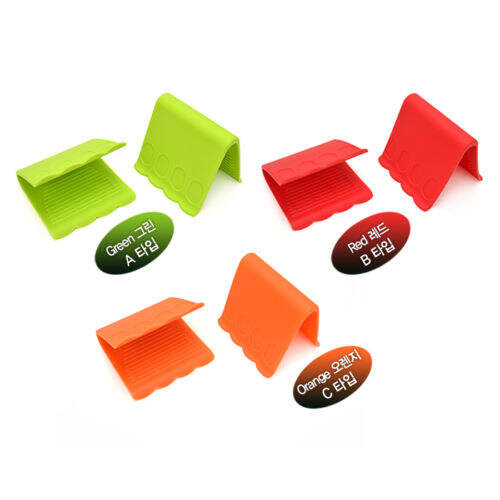
The ability to maintain a secure grip while handling hot BBQ tools represents one of the most critical safety challenges faced by grilling enthusiasts and professional pitmasters alike. Traditional oven mitts and standard work gloves often fall short when exposed to high temperatures, causing users to lose their grip on essential grilling implements at precisely the moment when control matters most. This grip failure can lead to dropped tools, burned hands, and compromised cooking results that diminish the entire grilling experience.
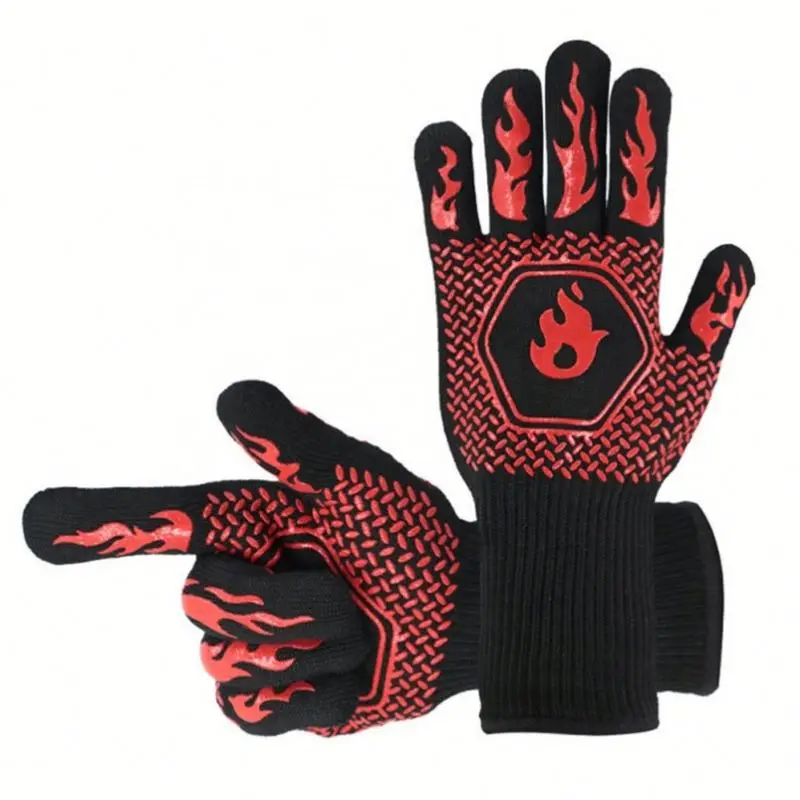
Modern grill gloves address this fundamental challenge through advanced material engineering and specialized surface treatments that maintain tactile control even under extreme heat conditions. Unlike conventional protective gear that prioritizes insulation over dexterity, contemporary grill gloves integrate heat resistance with enhanced grip technology to deliver superior performance across all BBQ applications. Understanding how these specialized gloves improve grip involves examining their unique construction methods, surface textures, and material properties that work together to provide reliable tool control during high-temperature cooking operations.
Advanced Material Construction for Enhanced Grip Performance
Silicone Surface Technology Integration
The grip enhancement capabilities of modern grill gloves primarily stem from their sophisticated silicone surface integration, which creates a tactile interface specifically engineered for high-temperature tool handling. These silicone elements are strategically positioned across palm areas, fingertips, and thumb zones where contact with BBQ tools occurs most frequently. The molecular structure of food-grade silicone maintains its flexibility and grip characteristics even when exposed to temperatures exceeding 500 degrees Fahrenheit, ensuring consistent performance throughout extended grilling sessions.
Professional-grade grill gloves incorporate raised silicone patterns that function as micro-grip surfaces, creating multiple contact points between the glove and tool surfaces. These textured elements increase the coefficient of friction between hand and implement, providing mechanical advantage that prevents slippage during critical manipulation tasks. The silicone formulation used in quality grill gloves resists degradation from oil, grease, and food residues that commonly accumulate during BBQ operations, maintaining grip effectiveness across multiple cooking sessions.
Manufacturing processes for premium grill gloves involve bonding silicone grip elements directly to the base material through specialized adhesion techniques that prevent separation under thermal stress. This integration ensures that grip surfaces remain intact even after repeated exposure to extreme temperatures and aggressive cleaning procedures. The resulting composite construction delivers enhanced tool control while maintaining the thermal protection necessary for safe BBQ operations.
Cotton-Aramid Fiber Foundation Systems
The internal structure of effective grill gloves utilizes cotton-aramid fiber blends that provide the foundational strength necessary to support enhanced grip performance under demanding conditions. These synthetic fiber combinations offer superior tensile strength compared to traditional cotton materials, preventing glove deformation that could compromise grip integrity during tool manipulation. The aramid component contributes heat resistance while the cotton elements ensure comfort and moisture management during extended use periods.
Advanced weaving techniques used in manufacturing quality grill gloves create dimensional stability that maintains consistent hand shape even under thermal expansion conditions. This structural integrity prevents the grip surface from shifting or bunching during use, ensuring that silicone elements remain properly positioned for optimal tool contact. The fiber orientation within these materials is specifically engineered to resist stretching in directions that would reduce grip effectiveness while allowing necessary flexibility for natural hand movement.
Quality control processes for grill gloves include testing the bond strength between cotton-aramid foundations and silicone grip surfaces under repeated thermal cycling conditions. This testing ensures that the composite structure maintains performance characteristics throughout the expected service life of the gloves. The resulting products deliver reliable grip enhancement that withstands the demanding conditions encountered in professional BBQ environments and serious home grilling applications.
Surface Texture Engineering for Tool Control
Raised Pattern Grip Technology
The surface engineering of modern grill gloves incorporates precisely designed raised patterns that create mechanical grip advantages through increased surface contact area and enhanced friction coefficients. These patterns typically feature diamond, hexagonal, or linear configurations that channel away moisture and grease while maintaining secure contact with smooth tool surfaces. The geometric precision of these textures is calibrated to optimize grip performance across the range of implement sizes commonly used in BBQ applications, from delicate basting brushes to heavy cast-iron grate lifters.
Professional testing protocols for grill gloves evaluate grip performance using standardized tool surfaces under various temperature and contamination conditions. These assessments measure the force required to maintain secure tool control when grease, marinades, and food particles are present on both glove and implement surfaces. The raised pattern technology consistently demonstrates superior performance compared to smooth protective surfaces, providing measurable improvements in grip security across all testing scenarios.
Manufacturing quality standards for grip pattern implementation require precise depth control and consistent spacing to ensure uniform performance across the entire glove surface. Variations in pattern height or spacing can create weak points where grip performance diminishes, potentially compromising user safety during critical tool manipulation tasks. The most effective grill gloves maintain pattern consistency through automated molding processes that eliminate human error in surface texture application.
Anti-Slip Fingertip Configuration
The fingertip areas of advanced grill gloves feature specialized anti-slip configurations that address the unique grip challenges associated with precise tool control during delicate BBQ operations. These zones typically incorporate enhanced texture density and modified silicone formulations that provide superior tactile feedback compared to standard palm areas. The fingertip design allows users to maintain fine motor control when adjusting food positioning, manipulating small utensils, or performing precision tasks that require delicate touch sensitivity.
Engineering analysis of fingertip grip performance reveals that enhanced texture in these critical areas can improve tool control effectiveness by up to 40% compared to uniform surface treatments. This improvement becomes particularly significant when handling lightweight implements such as thermometer probes, basting brushes, or small tongs that require precise positioning and gentle manipulation. The specialized fingertip configuration prevents these tools from slipping during use, reducing the risk of dropped implements and improving overall cooking precision.
Quality grill gloves incorporate fingertip reinforcement that maintains grip effectiveness even after extended exposure to cleaning solvents and repeated use cycles. The durability of these specialized areas directly impacts long-term performance, as fingertip wear represents the primary failure mode for grip-enhanced protective gloves. Manufacturers implement accelerated wear testing protocols to ensure that fingertip configurations maintain performance standards throughout the expected service life of the product.
Thermal Management and Grip Retention
Heat Distribution Control Systems
The relationship between thermal management and grip performance in grill gloves represents a critical engineering balance that determines overall effectiveness during high-temperature BBQ operations. Excessive heat buildup within the glove interior can cause hand perspiration that reduces grip security, while inadequate insulation forces users to minimize contact time, compromising tool control precision. Advanced grill gloves incorporate thermal management systems that maintain comfortable interior temperatures while preserving grip surface effectiveness under extreme external heat conditions.
Multi-layer construction techniques used in premium grill gloves create thermal barriers that prevent heat transfer to interior surfaces without compromising the flexibility necessary for secure tool grip. These systems typically incorporate reflective materials that redirect radiant heat away from the hand while maintaining the tactile sensitivity required for precise implement control. The thermal gradient management prevents hot spots that could cause users to shift their grip positioning, potentially reducing tool control effectiveness during critical cooking operations.
Testing protocols for thermal management in grill gloves evaluate grip retention under sustained high-temperature exposure conditions that simulate realistic BBQ scenarios. These assessments measure the time required for grip effectiveness to diminish due to heat buildup and determine the maximum exposure duration for safe operation. Quality grill gloves maintain consistent grip performance for extended periods, allowing users to complete complex cooking tasks without compromising safety or precision.
Moisture Management Integration
Effective moisture management represents a crucial component of grip retention in grill gloves, as accumulated perspiration can significantly reduce the friction between hand and tool surfaces. Advanced designs incorporate moisture-wicking materials in interior linings that transport perspiration away from contact areas while maintaining the dry surface conditions necessary for optimal grip performance. These systems prevent the accumulation of moisture that could cause tools to slip during critical manipulation tasks.
The integration of moisture management with grip enhancement requires careful material selection and placement to ensure compatibility between wicking systems and silicone grip surfaces. Quality grill gloves utilize specialized bonding techniques that maintain the integrity of moisture transport pathways while preserving the mechanical properties of grip enhancement elements. This integration prevents delamination or performance degradation that could occur when incompatible materials are combined in high-stress applications.
Performance evaluation of moisture management systems involves testing under controlled humidity and temperature conditions that replicate the challenging environment encountered during extended grilling sessions. These assessments measure grip retention over time as moisture accumulation increases, providing quantitative data on the effectiveness of different wicking technologies. The most successful grill gloves maintain grip performance even under high moisture conditions, ensuring consistent tool control throughout demanding cooking operations.
Tool-Specific Grip Optimization
Implement Size Adaptation Technology
The grip enhancement systems in modern grill gloves are engineered to accommodate the diverse range of implement sizes encountered in professional and recreational BBQ applications, from massive grate lifters to delicate temperature probes. This size adaptation capability stems from flexible grip surface designs that conform to tool geometries while maintaining secure contact across different diameter ranges. The most effective grill gloves provide consistent grip performance whether handling thick-handled spatulas or thin wire cleaning brushes, ensuring reliable tool control across all BBQ implement categories.
Engineering analysis of tool-glove interface dynamics reveals that grip effectiveness varies significantly based on the contact area ratio between implement surface and glove grip zones. Advanced grill gloves address this challenge through graduated grip patterns that provide enhanced contact for small-diameter tools while preventing excessive compression that could reduce comfort during extended use with larger implements. This optimization ensures that users maintain secure control regardless of the specific BBQ tool being manipulated.
Quality assessment protocols for implement size adaptation involve testing grip performance across standardized tool diameter ranges under various force application scenarios. These evaluations measure the minimum grip force required to prevent tool slippage and determine the maximum force that can be applied before user fatigue becomes significant. The results guide design optimization to ensure that grill gloves provide appropriate grip characteristics for the full spectrum of BBQ implement applications.
Material-Specific Contact Enhancement
Different BBQ tool materials present unique grip challenges that require specialized contact enhancement strategies in grill gloves design. Stainless steel implements offer different surface characteristics compared to cast iron, wooden handles, or plastic-coated tools, necessitating grip systems that perform effectively across all material types. Advanced grill gloves incorporate surface technologies that adapt to these material variations, providing consistent grip performance regardless of implement composition.
The silicone formulations used in quality grill gloves are specifically calibrated to provide optimal grip characteristics on smooth metal surfaces that become slippery when contaminated with grease or food residues. These formulations maintain their tackiness even when exposed to oils and marinades, preventing the loss of grip effectiveness that commonly occurs with conventional protective gloves. The chemical resistance of these materials ensures long-term performance even after repeated exposure to aggressive cleaning agents used in BBQ maintenance.
Testing procedures for material-specific grip performance involve controlled evaluations using representative tool materials under various contamination conditions that simulate realistic BBQ environments. These assessments measure grip retention when tools are exposed to common cooking residues and determine cleaning requirements for maintaining optimal performance. The most effective grill gloves demonstrate consistent grip characteristics across all tool materials while remaining easy to clean and maintain between cooking sessions.
Safety Integration and Performance Benefits
Accident Prevention Through Enhanced Control
The safety benefits derived from improved grip performance in grill gloves extend beyond simple burn prevention to encompass comprehensive accident reduction across all BBQ operations. Enhanced tool control reduces the likelihood of dropped implements that could cause injury to the user or damage to cooking surfaces, while secure grip prevents the sudden tool movements that can lead to contact burns or food contamination. Statistical analysis of BBQ-related accidents reveals that inadequate tool control represents a significant contributing factor to injuries, making grip enhancement a critical safety feature.
Professional kitchen safety protocols increasingly recognize the importance of grip-enhanced protective equipment in preventing workplace injuries related to high-temperature food preparation. Commercial establishments that implement quality grill gloves with superior grip characteristics report measurable reductions in accident rates and workers' compensation claims related to thermal injuries. These safety improvements translate directly to reduced operational costs and improved workplace safety compliance.
The psychological confidence provided by secure tool grip enables users to maintain proper safety practices even under challenging conditions, rather than rushing through dangerous operations due to grip insecurity. This behavioral improvement contributes significantly to overall BBQ safety by encouraging deliberate, controlled movements that reduce accident risk. Quality grill gloves with proven grip performance allow users to focus on cooking technique rather than worrying about tool control, resulting in safer and more successful BBQ operations.
Performance Consistency Under Stress Conditions
The grip performance of quality grill gloves remains consistent even under the stress conditions commonly encountered during intensive BBQ operations, including high ambient temperatures, extended use periods, and exposure to various contaminants. This consistency ensures that users can rely on their protective equipment throughout demanding cooking sessions without experiencing grip degradation that could compromise safety or cooking results. Stress testing protocols evaluate grip retention under accelerated wear conditions that simulate months of regular use in compressed time periods.
Field testing with professional pitmasters and commercial BBQ operations provides real-world validation of grip performance under authentic stress conditions that cannot be replicated in laboratory environments. These evaluations assess how grill gloves perform during extended smoking sessions, high-volume cooking operations, and repeated cleaning cycles that represent typical professional use patterns. The feedback from these demanding applications guides design improvements that enhance grip reliability under the most challenging conditions.
The durability of grip enhancement features directly impacts the long-term value proposition of grill gloves, as performance degradation can require frequent replacement that increases operational costs. Quality manufacturers implement quality control measures that ensure grip surfaces maintain effectiveness throughout the expected service life of the product, providing consistent performance that justifies the initial investment in premium protective equipment.
FAQ
How long do the grip surfaces on grill gloves typically last with regular use?
Quality grill gloves with properly engineered grip surfaces typically maintain their effectiveness for 12-18 months with regular recreational use, or 6-12 months in commercial applications. The longevity depends on usage frequency, cleaning methods, and exposure to extreme temperatures. Premium silicone grip surfaces resist degradation better than cheaper alternatives, maintaining their tackiness and texture integrity throughout their service life. Regular inspection of grip surfaces can help identify when replacement is necessary to maintain optimal safety and performance.
Can grill gloves with enhanced grip be safely cleaned without damaging the grip surfaces?
Yes, quality grill gloves are designed to withstand regular cleaning without compromising grip performance. Most can be safely washed with warm soapy water and gentle scrubbing to remove grease and food residues. Avoid harsh chemicals, bleach, or abrasive cleaning tools that could damage silicone grip surfaces. Air drying is recommended over machine drying to prevent heat damage. Proper cleaning actually helps maintain grip effectiveness by removing contaminants that could reduce friction between the glove and tool surfaces.
Do thicker grill gloves with better heat protection compromise grip performance?
Modern grill gloves use advanced materials and construction techniques that provide excellent heat protection without significantly compromising grip performance. While some trade-off between thickness and dexterity is inevitable, quality designs minimize this impact through strategic material placement and ergonomic shaping. The key is choosing gloves that balance thermal protection with tactile sensitivity appropriate for your specific BBQ applications. Professional-grade grill gloves typically offer the best combination of heat resistance and grip performance.
Are there specific grip features to look for when selecting grill gloves for different BBQ tools?
When selecting grill gloves, look for textured silicone surfaces on palms and fingertips, reinforced grip zones in high-contact areas, and flexible construction that allows natural hand movement. For heavy tools like grate lifters, prioritize gloves with enhanced palm grip areas. For precision work with thermometers or basting brushes, focus on fingertip grip enhancement and tactile sensitivity. The best grill gloves feature comprehensive grip systems that perform well across all tool types, eliminating the need for multiple specialized gloves in most applications.
Table of Contents
- Advanced Material Construction for Enhanced Grip Performance
- Surface Texture Engineering for Tool Control
- Thermal Management and Grip Retention
- Tool-Specific Grip Optimization
- Safety Integration and Performance Benefits
-
FAQ
- How long do the grip surfaces on grill gloves typically last with regular use?
- Can grill gloves with enhanced grip be safely cleaned without damaging the grip surfaces?
- Do thicker grill gloves with better heat protection compromise grip performance?
- Are there specific grip features to look for when selecting grill gloves for different BBQ tools?