
 EN


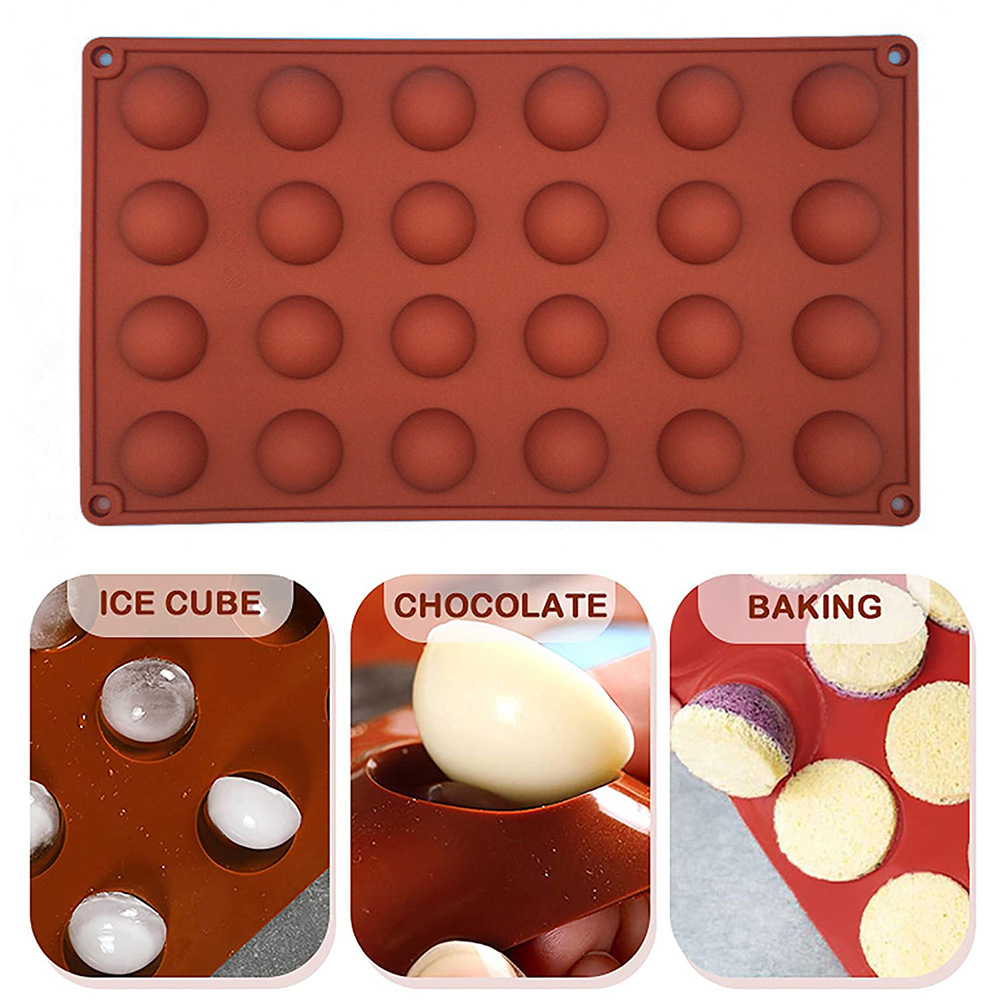
Choosing the right baking equipment is essential for professional and home bakers alike. A silicone cake mould round has become increasingly popular in modern kitchens, offering distinct advantages over traditional metal and glass alternatives. The decision to invest in a silicone cake mould round depends on understanding how these flexible, non-stick surfaces perform across different baking scenarios, temperature ranges, and cake types. This guide explores whether a silicone cake mould round aligns with your baking needs, examining practical benefits, potential limitations, and key decision factors.

The rise of silicone baking equipment reflects shifts in how bakers approach convenience, durability, and food safety. A silicone cake mould round combines flexibility with heat resistance, creating a tool that simplifies cake removal while maintaining shape stability. Understanding the specific advantages and constraints of a silicone cake mould round helps bakers make informed equipment choices that support consistent results, reduce cleanup time, and extend the lifespan of their baking arsenal.
Why Bakers Choose a Silicone Cake Mould Round
Non-Stick Performance and Easy Release
One of the primary reasons bakers prefer a silicone cake mould round is the superior non-stick surface. Unlike traditional metal pans that require greasing, a silicone cake mould round naturally resists batter adhesion, significantly reducing the risk of cake sticking or tearing during removal. This non-stick characteristic of a silicone cake mould round eliminates the need for parchment paper or extensive buttering, streamlining preparation and cleanup. Many professional bakers report that investing in a silicone cake mould round reduces failed batches caused by sticking issues, directly improving their production efficiency and customer satisfaction.
Flexibility and Mould Design
The inherent flexibility of a silicone cake mould round offers practical advantages that rigid metal cannot match. When a silicone cake mould round flexes gently, it creates space between the baked cake and the mould wall, allowing the cake to release cleanly without requiring flipping or extended cooling. This flexibility also means a silicone cake mould round can be inverted or bent slightly to guide the cake out smoothly, preventing breakage that often occurs with traditional pans. The structural design of a silicone cake mould round typically includes reinforced walls to maintain shape during baking, ensuring consistent cake layers and professional presentation.
Performance Characteristics of Silicone Cake Mould Round
Heat Distribution and Baking Results
Heat distribution affects cake texture, browning, and doneness, making mould material selection crucial. A silicone cake mould round conducts heat differently than metal, typically warming more slowly but distributing temperature more evenly across the cake surface. This characteristic of a silicone cake mould round can result in gentler, more uniform baking, particularly beneficial for delicate sponge cakes, cheesecakes, and layered desserts. However, some bakers note that a silicone cake mould round may require slightly longer baking times, and the reduced browning on the cake exterior sometimes necessitates oven temperature adjustments for aesthetic consistency.
Temperature Stability and Durability
Quality silicone materials used in a silicone cake mould round typically withstand temperatures between 200°C and 260°C, making them suitable for most standard baking applications. A silicone cake mould round maintains its structural integrity across repeated heating and cooling cycles, with premium options lasting through hundreds of uses without degradation. Unlike metal pans prone to rust or warping, a silicone cake mould round resists corrosion and maintains consistent performance over extended periods. The longevity of a silicone cake mould round makes it a cost-effective investment for frequent bakers, offsetting the higher initial purchase price compared to basic metal alternatives.
Practical Considerations for Using Silicone Cake Mould Round
Storage, Support, and Handling
A silicone cake mould round requires different handling and storage approaches than rigid metal pans. The flexible nature of a silicone cake mould round means it should be stored flat or rolled gently to prevent permanent creasing or deformation. When filling a silicone cake mould round, many bakers place it on a rigid baking sheet for added support during the oven transfer, ensuring stability and preventing spills or uneven settling. This support method for a silicone cake mould round becomes especially important with wet batters or delicate mixtures that might shift during movement. Proper handling extends the lifespan of a silicone cake mould round and ensures consistently reliable performance across multiple baking projects.
Cleaning and Maintenance
The non-stick properties of a silicone cake mould round simplify the cleaning process significantly. Most residue washes away easily with warm soapy water, and the smooth silicone surface prevents batter buildup that often occurs with metal pans. A silicone cake mould round can be hand-washed or placed in dishwashers on gentle cycles, though air drying prevents potential water spots. Regular maintenance of a silicone cake mould round includes occasional inspection for signs of wear, discoloration, or lingering odors that might indicate bacterial growth. Proper storage in a clean, dry environment preserves the functionality of a silicone cake mould round and ensures food safety across extended use.
FAQ
Can a silicone cake mould round produce professional bakery quality results?
Yes, a silicone cake mould round can produce professional quality cakes when used with proper baking techniques and temperature monitoring. Many commercial bakeries incorporate a silicone cake mould round into their production lines specifically for the consistent, non-stick results and reduced breakage rates. The key to achieving professional results with a silicone cake mould round involves understanding slight variations in heat distribution, adjusting oven settings if needed, and ensuring proper support during baking. Bakers who adapt their techniques to a silicone cake mould round often report improved efficiency and reduced waste compared to traditional metal pans.
Is a silicone cake mould round suitable for all cake types?
A silicone cake mould round works well for most cake varieties, including sponges, chocolate cakes, and cheesecakes, but some specialized applications require different considerations. Dense batters release particularly easily from a silicone cake mould round, while very delicate or mousse-based cakes may require additional support during the release process. Certain cakes with sticky toppings or glazes might benefit from the flexibility advantages of a silicone cake mould round, while others traditionally baked in metal pans may need minor recipe or temperature adjustments when switching to a silicone cake mould round. Testing with your specific recipes helps determine whether a silicone cake mould round delivers your desired texture and appearance.
How does a silicone cake mould round compare to metal pans in terms of value?
A silicone cake mould round typically costs more initially than basic metal pans but offers superior longevity and reduced replacement frequency. The non-stick surface of a silicone cake mould round reduces batter waste from sticking and breakage, while the easier cleanup and elimination of greasing steps save time in busy kitchens. For frequent bakers or commercial operations, a silicone cake mould round represents excellent value through durability, improved productivity, and consistent results that reduce failed batches. The decision between a silicone cake mould round and traditional metal ultimately depends on baking volume, budget constraints, and how you prioritize convenience against upfront investment.