
 EN


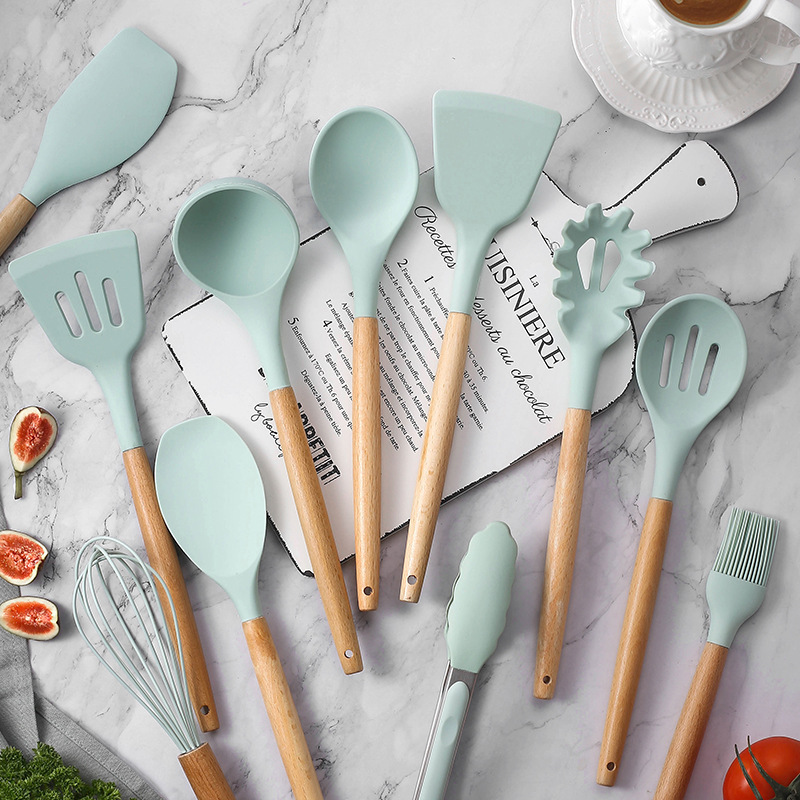
Investing in an eco-friendly kitchenware set represents a meaningful commitment to sustainable living and reducing your household environmental footprint. Unlike conventional kitchen tools made from plastic or poorly manufactured metals, an eco-friendly kitchenware set combines durability with environmental responsibility, offering years of reliable service when properly maintained. However, purchasing quality sustainable products is only the first step; knowing how to care for and maximize the lifespan of your eco-friendly kitchenware set ensures you truly benefit from this investment over the long term.

The philosophy behind an eco-friendly kitchenware set goes beyond aesthetics or temporary trends. These tools are engineered for longevity, often using sustainable materials like bamboo, recycled stainless steel, or responsibly sourced wood combined with durable metals. To protect your investment and maintain the performance of your eco-friendly kitchenware set, understanding proper care techniques, storage methods, and maintenance schedules is essential for every environmentally conscious household.
Understanding Your Eco-Friendly Kitchenware Set Materials
Recognizing Sustainable Material Composition
An eco-friendly kitchenware set typically combines multiple sustainable materials, each requiring specific care approaches. Stainless steel components resist corrosion and staining when properly maintained, while bamboo handles or wood accents need protection from excessive moisture to prevent warping or splitting. Understanding what your eco-friendly kitchenware set contains helps you apply the right maintenance techniques and avoid damage from incompatible cleaning methods or storage conditions.
Material-Specific Longevity Factors
The durability of an eco-friendly kitchenware set depends heavily on how well you align care practices with material properties. High-quality stainless steel in an eco-friendly kitchenware set can last decades when hand-washed and dried promptly, while bamboo components require gentle handling and occasional conditioning with food-grade mineral oil. The performance gap between a well-maintained eco-friendly kitchenware set and one subjected to harsh treatment can be dramatic, sometimes reducing usable lifespan by half or more.
Daily Care and Cleaning Practices
Proper Washing Techniques for Sustainable Tools
The best approach to cleaning your eco-friendly kitchenware set involves hand-washing with warm water, mild dish soap, and a soft cloth or non-abrasive sponge. Never place an eco-friendly kitchenware set with wooden handles in the dishwasher, as extreme heat and moisture cycles cause rapid deterioration. For metal components within your eco-friendly kitchenware set, avoid steel wool or harsh scrubbing pads that can scratch protective finishes; instead, use gentle circular motions with a soft brush to remove dried food particles.
Drying and Immediate Storage
Immediate drying after cleaning represents one of the most critical steps for preserving your eco-friendly kitchenware set. Moisture left on metal surfaces creates conditions for oxidation, while water trapped in joints or between components promotes rust formation, even in high-quality stainless steel pieces. Always pat your eco-friendly kitchenware set dry with a clean cloth within minutes of washing, paying special attention to seams, handles, and any areas where water tends to accumulate.
Long-Term Storage and Maintenance Schedules
Organizing Storage Solutions
How you store your eco-friendly kitchenware set between uses significantly impacts its longevity and functionality. Store your eco-friendly kitchenware set in a cool, dry location away from direct sunlight, which can fade natural finishes and degrade bamboo or wood components over time. Avoid storing your eco-friendly kitchenware set in humid environments like under-sink cabinets without ventilation, as moisture accumulation leads to deterioration even when tools appear clean.
Seasonal Conditioning and Deep Maintenance
Every three to six months, perform a deep maintenance routine on your eco-friendly kitchenware set to refresh natural materials and prevent hidden damage. Apply food-grade mineral oil to wooden handles and bamboo components using a clean cloth, working the oil into the grain to maintain flexibility and water resistance. For metal components in your eco-friendly kitchenware set, use a mild stainless steel polish applied with a soft cloth, buffing gently until the surface regains its shine and develops a protective patina that resists future oxidation.
Addressing Wear and Damage Early
Monitor your eco-friendly kitchenware set regularly for signs of wear, discoloration, or structural changes that indicate maintenance needs. Small scratches on metal surfaces should be addressed promptly to prevent moisture penetration; simply polish the affected area to seal the finish. If wooden handles on your eco-friendly kitchenware set develop minor cracks, apply a small amount of food-grade wood sealant to prevent water infiltration and further splitting.
FAQ
How often should I condition an eco-friendly kitchenware set with wooden components?
Condition your eco-friendly kitchenware set every three to six months using food-grade mineral oil applied with a soft cloth. This keeps wood hydrated, prevents cracking, and maintains the natural appearance of your eco-friendly kitchenware set. If you use your eco-friendly kitchenware set heavily or live in a dry climate, increase conditioning frequency to monthly applications.
Can I use regular stainless steel polish on my eco-friendly kitchenware set?
Yes, gentle stainless steel polish works well on metal components of your eco-friendly kitchenware set, but always choose non-toxic, food-safe formulas. Apply sparingly with a soft cloth and buff the surface thoroughly before using your eco-friendly kitchenware set again. Avoid abrasive polishing compounds that can damage the protective finish on high-quality sustainable materials in your eco-friendly kitchenware set.
What should I do if my eco-friendly kitchenware set develops rust spots?
Light rust on your eco-friendly kitchenware set can usually be removed by rubbing the affected area with a cut lemon or white vinegar on a soft cloth. For stubborn rust spots on your eco-friendly kitchenware set, use a paste made from baking soda and water, applying gently and rinsing thoroughly. After rust removal, immediately dry your eco-friendly kitchenware set completely and apply a thin coat of food-grade mineral oil to prevent recurrence.