
 EN


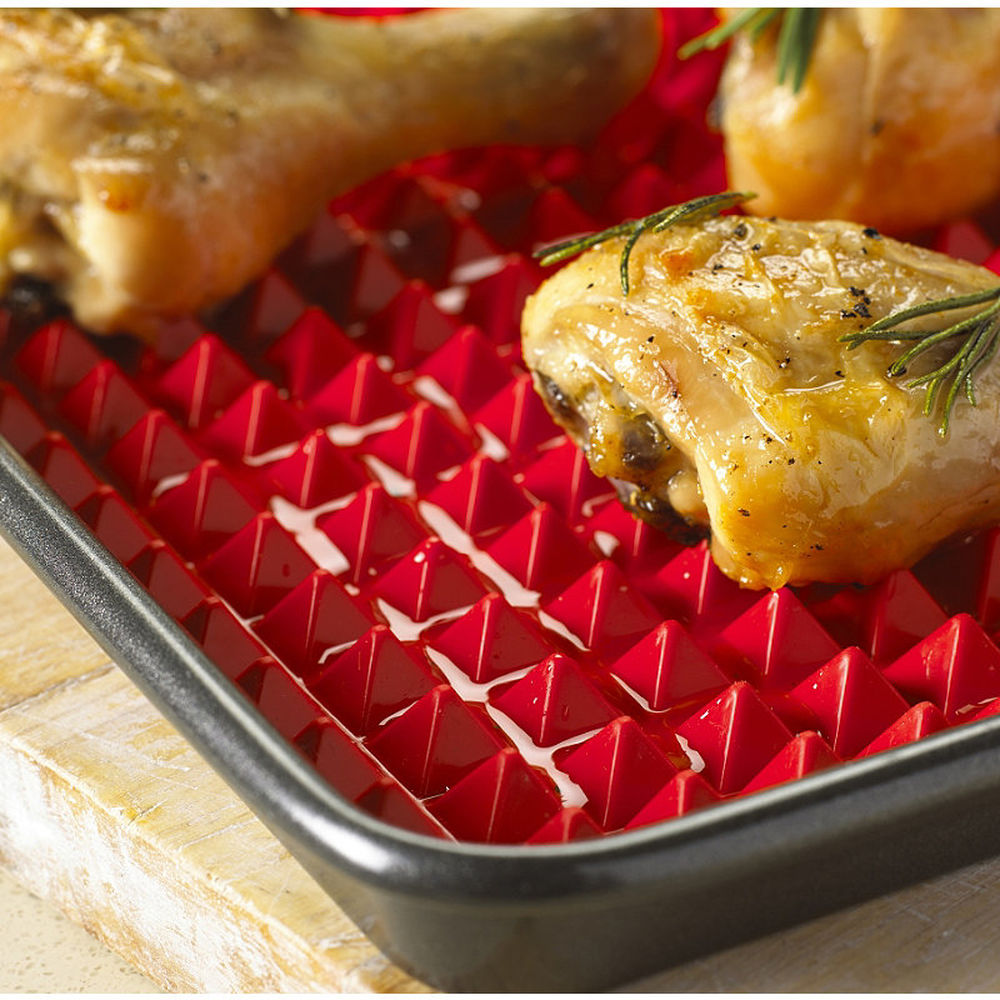
A reusable silicone baking mat represents one of the most practical investments a kitchen professional or home baker can make. Unlike disposable parchment paper or aluminum foil, a reusable silicone baking mat offers lasting performance, environmental benefits, and consistent results across hundreds of baking sessions. Understanding how to extract maximum value from this versatile tool requires knowledge of its capabilities, proper maintenance techniques, and the full range of applications where it excels. Maximizing the return on your reusable silicone baking mat investment means learning to use it beyond basic cookie sheets and discovering how superior durability translates into long-term cost savings and improved baking outcomes.
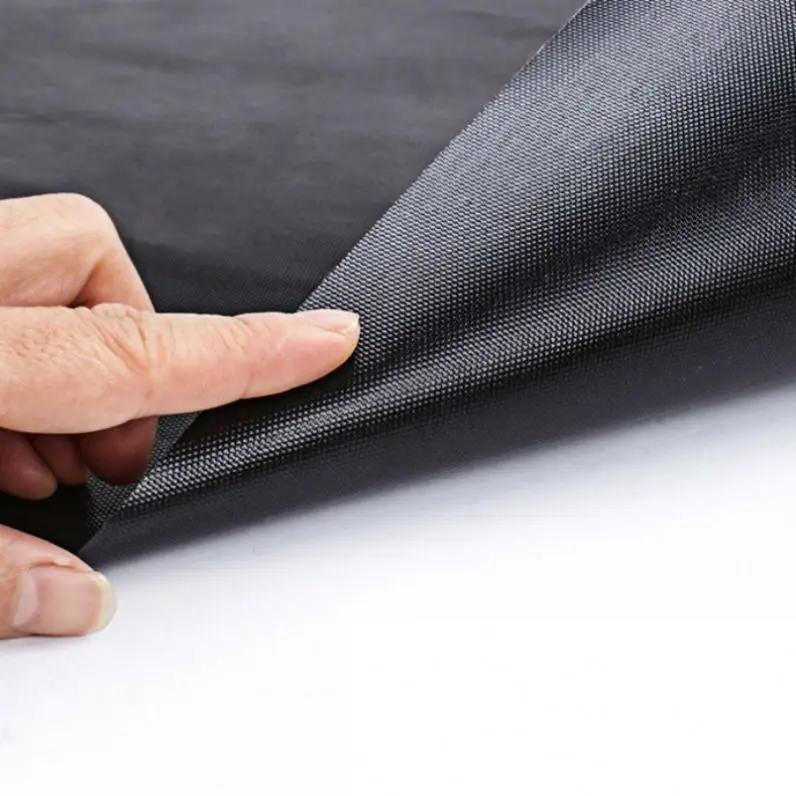
When you choose a reusable silicone baking mat, you are committing to a different approach to kitchen preparation. The value proposition extends far beyond the initial purchase: a quality reusable silicone baking mat can withstand hundreds of uses without degradation, handles temperatures from freezing to high heat, and eliminates the recurring expense of disposable alternatives. This article explores proven strategies for maximizing the practical and financial value of your reusable silicone baking mat through informed selection, optimal care protocols, diverse application techniques, and maintenance practices that preserve performance over years of active use.
Selecting the Right Reusable Silicone Baking Mat for Your Needs
Understanding Material Quality and Heat Resistance
Not all reusable silicone baking mat products deliver equal performance. The distinction between standard and premium options begins with silicone composition and heat tolerance ratings. A professional-grade reusable silicone baking mat typically maintains structural integrity at temperatures up to 480 degrees Fahrenheit, while consumer-grade versions may max out at 400 degrees. Thickness matters significantly because a thicker reusable silicone baking mat distributes heat more evenly, preventing hot spots that can burn delicate items like macarons or sugar cookies. Material certification also matters; food-safe, FDA-approved reusable silicone baking mat options ensure no harmful chemicals leach into your food during high-temperature baking or cooking.
Sizing and Fit for Your Baking Equipment
A reusable silicone baking mat must fit your specific oven racks and sheet pans for maximum utility. Standard dimensions accommodate quarter-sheet and half-sheet pans commonly found in home kitchens, while commercial operations benefit from full-size reusable silicone baking mat sheets. Having multiple sizes of reusable silicone baking mat options allows you to tackle different projects simultaneously without constant transferring or waiting for cleanup between batches. The right reusable silicone baking mat size eliminates air gaps where heat can escape unpredictably and ensures consistent browning across the entire baking surface. Measuring your equipment before purchasing prevents frustration and wasted resources on incompatible reusable silicone baking mat products.
Extended Care Protocols That Preserve Reusable Silicone Baking Mat Performance
Proper Cleaning and Storage Methods
Longevity of your reusable silicone baking mat depends almost entirely on how you clean and store it. Hand washing with warm, soapy water is the preferred method for cleaning a reusable silicone baking mat, as aggressive scrubbing or abrasive materials can damage the non-stick coating. For stubborn residue, soak your reusable silicone baking mat in hot water for 15 minutes before gentle washing with a soft cloth. Never place a reusable silicone baking mat in the dishwasher unless the manufacturer explicitly approves it, as high-heat cycles can compromise adhesion between the silicone layer and base material. After cleaning, dry your reusable silicone baking mat completely with a lint-free cloth and store it flat in a cool, dry location away from direct sunlight.
Preventing Common Damage and Wear Patterns
A reusable silicone baking mat can last for years if you avoid specific pitfalls. Do not use sharp utensils directly on the mat surface; instead, transfer baked goods using a flat spatula. Cutting or piercing a reusable silicone baking mat compromises its integrity and creates entry points for moisture and bacteria. Store your reusable silicone baking mat away from heat sources, sharp objects, and reactive chemicals. Some bakers find that rolling rather than folding their reusable silicone baking mat prevents creasing that accumulates over time. When your reusable silicone baking mat begins showing signs of permanent warping or coating degradation, it is time to replace it, but proper care can extend the replacement cycle by three to five years compared to negligent storage.
Unlocking Diverse Applications to Maximize Your Reusable Silicone Baking Mat Investment
Beyond Basic Baking Uses
A reusable silicone baking mat extends far beyond cookies and pastries. Professional chocolatiers use a reusable silicone baking mat as a tempering surface because the non-stick properties and heat conductivity enable precise control over chocolate crystallization. Candy makers rely on a reusable silicone baking mat for nougat, toffee, and brittle production because the material prevents sticking without requiring parchment or greasing. Roasting vegetables at high temperatures on a reusable silicone baking mat accelerates cleanup while ensuring even browning. Meat preparation benefits from a reusable silicone baking mat because its waterproof surface contains drippings and simplifies sanitation after raw poultry or seafood contact.
Expanding Into Savory and Non-Baking Applications
Creative cooks discover that a reusable silicone baking mat becomes invaluable during food preparation tasks beyond oven use. Thawing frozen items on a reusable silicone baking mat prevents water from spreading across countertops. Herb drying benefits from a reusable silicone baking mat because air circulates underneath while protecting delicate leaves from direct oven heat exposure. Some bakers even use a reusable silicone baking mat in freezing applications, preparing cookie dough portions or homemade fruit leather that can be easily peeled off once frozen solid. A reusable silicone baking mat serves professional food photography by providing a non-glare, neutral surface for styling baked goods and prepared dishes. The versatility of a reusable silicone baking mat means your initial investment yields value across multiple culinary disciplines and kitchen workflows.
FAQ
How long does a reusable silicone baking mat typically last with regular use?
A quality reusable silicone baking mat lasts between three to five years with proper care, translating to hundreds of uses that exceed disposable alternative costs many times over. The actual lifespan depends on usage frequency, cleaning methods, storage practices, and initial material quality. Professional kitchens using a reusable silicone baking mat intensively may require replacement every two years, while home bakers might enjoy ten years of reliable performance from a single mat.
Can you use a reusable silicone baking mat under direct broiler heat?
Most standard reusable silicone baking mat products are not recommended for direct broiler use because the extreme concentrated heat can damage the material. However, some commercial-grade reusable silicone baking mat options rated for 500+ degrees may tolerate brief broiler exposure. Always verify manufacturer specifications before attempting any extreme-temperature application with your reusable silicone baking mat to avoid premature failure.
What is the environmental benefit of using a reusable silicone baking mat versus disposable alternatives?
A reusable silicone baking mat eliminates the need for hundreds of parchment sheets or aluminum foil rolls over its lifetime, significantly reducing kitchen waste and your household environmental footprint. Silicone is durable and does not degrade like paper products, and modern manufacturing processes produce food-safe silicone with minimal environmental impact compared to continuous disposable product consumption.