
 EN
EN



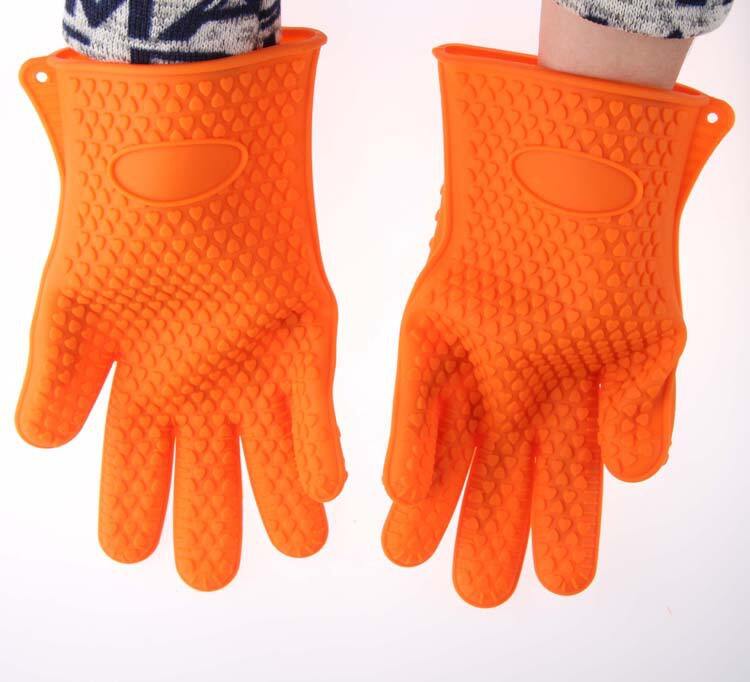
The fundamental reason why silicone grill mitts have earned their reputation as heat-resistant giants lies in the unique molecular structure of silicone materials and their exceptional thermal properties. Unlike traditional fabric or leather grill mitts, silicone-based protective gloves create an impermeable barrier against extreme temperatures while maintaining flexibility and grip functionality. This extraordinary heat resistance stems from silicone's polymer chain structure, which remains stable even when exposed to temperatures exceeding 400°F, making these grill mitts indispensable for serious grilling enthusiasts and professional chefs alike.
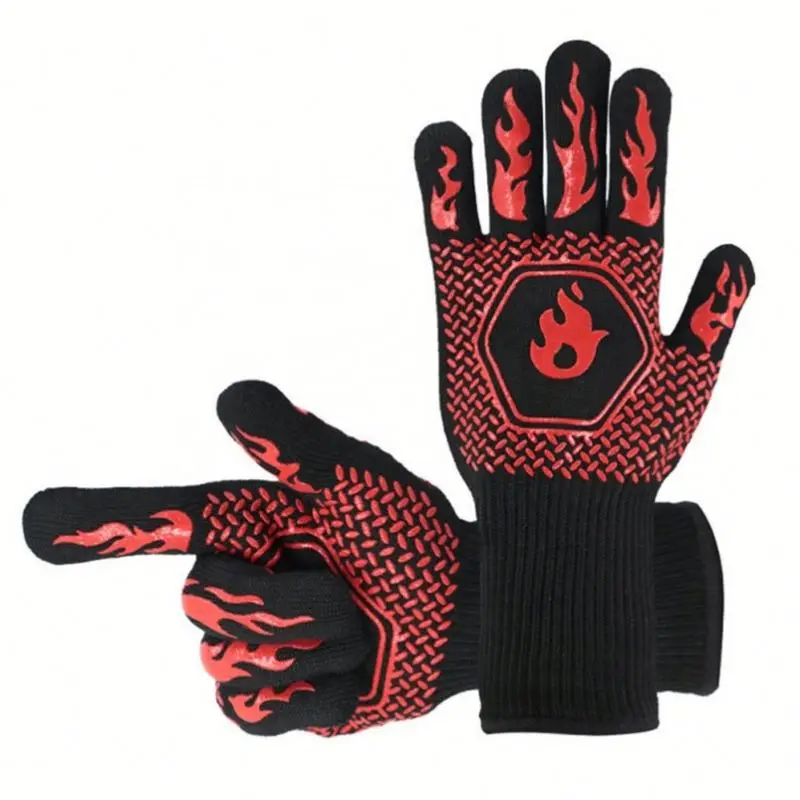
The superior performance of silicone grill mitts extends beyond simple heat protection, encompassing waterproof capabilities, easy cleaning maintenance, and long-term durability that traditional alternatives cannot match. Understanding why these protective accessories have become essential equipment for outdoor cooking requires examining their material science advantages, practical application benefits, and the specific ways they outperform conventional heat-resistant gloves in demanding grilling environments.
Material Science Behind Silicone Heat Resistance
Polymer Chain Structure and Thermal Stability
The exceptional heat resistance of silicone grill mitts originates from the fundamental chemistry of silicone polymers, specifically polydimethylsiloxane chains that maintain structural integrity under extreme thermal stress. These polymer chains feature silicon-oxygen bonds that are significantly stronger than carbon-carbon bonds found in organic materials, allowing grill mitts to withstand continuous exposure to high temperatures without degradation. The molecular flexibility of silicone chains enables the material to expand and contract with temperature changes without cracking or becoming brittle, ensuring consistent protection throughout extended grilling sessions.
This thermal stability translates into practical advantages for users who require reliable hand protection during intense cooking operations. Professional-grade grill mitts manufactured with high-quality silicone can maintain their protective properties even when directly contacting metal surfaces heated to 500°F or higher. The material's low thermal conductivity means heat transfer through the glove wall occurs slowly, providing users with sufficient time to handle hot cookware and grilling equipment safely.
Insulation Properties and Heat Transfer Mechanics
Silicone grill mitts achieve their heat-resistant giant status through multiple insulation mechanisms working simultaneously to protect users from thermal injury. The primary insulation effect comes from the silicone material's inherently low thermal conductivity, which prevents rapid heat transfer from external surfaces to the wearer's skin. Additionally, many high-quality grill mitts incorporate air-filled chambers or textured surfaces that create additional thermal barriers, further reducing heat transmission rates.
The thickness and density of silicone construction directly impact the overall heat resistance performance of grill mitts, with thicker designs providing extended protection duration but potentially reducing dexterity. Advanced manufacturing techniques allow for variable thickness construction, where palm and finger areas receive maximum protection while maintaining flexibility in joint regions. This engineering approach ensures that grill mitts deliver optimal heat resistance without compromising the user's ability to manipulate grilling tools and food items effectively.
Practical Advantages Over Traditional Heat Protection
Waterproof and Stain-Resistant Properties
The non-porous nature of silicone material gives these grill mitts distinct advantages over fabric-based alternatives, particularly in terms of moisture resistance and cleaning convenience. Traditional cotton or canvas grill mitts absorb liquids, grease, and food particles, creating hygiene concerns and reducing their heat-resistant effectiveness over time. Silicone grill mitts repel all liquids, preventing contamination buildup and maintaining consistent thermal protection throughout their service life.
This waterproof characteristic proves especially valuable during wet grilling conditions or when handling foods with high moisture content. Users can confidently grip wet handles, work with marinades and sauces, or clean equipment without worrying about liquid penetration that could compromise protection or create unsafe conditions. The ability to rinse grill mitts clean under running water immediately after use eliminates the extensive washing and drying cycles required for traditional fabric alternatives.
Grip Enhancement and Safety Features
Modern silicone grill mitts incorporate textured surfaces and grip-enhancing patterns that provide superior holding power compared to smooth leather or fabric gloves. These raised patterns increase surface area contact with handled objects while channeling away moisture and grease that might otherwise create slippery conditions. The flexible nature of silicone allows these texture patterns to conform to irregular shapes, ensuring secure grip on various grilling tools, cookware handles, and food items.
Safety considerations extend beyond basic heat protection to include features like extended cuff lengths, reinforced stress points, and ergonomic finger positioning that reduce fatigue during extended grilling sessions. Quality grill mitts often feature color-coding systems or temperature indicators that help users identify appropriate applications and avoid exceeding recommended heat exposure limits. These integrated safety features make silicone grill mitts particularly valuable for commercial kitchen environments where consistent performance and risk reduction are paramount.
Performance Applications and Use Case Scenarios
High-Temperature Grilling Operations
Professional barbecue operations and serious home grilling enthusiasts rely on silicone grill mitts for handling tasks that would be impossible with standard protective gear. These applications include direct manipulation of hot grill grates, adjustment of charcoal arrangements, and handling of cast iron cookware that retains extreme heat for extended periods. The ability to maintain dexterity while protected from temperatures exceeding 450°F allows users to perform precise cooking adjustments that enhance food quality and cooking efficiency.
Competition barbecue teams particularly value grill mitts that enable rapid equipment changes and food handling without the delays associated with cooling periods or tool usage. The instant-on protection provided by high-quality silicone mitts allows cooks to respond quickly to changing cooking conditions, adjust venting systems, and manage multiple cooking zones simultaneously. This operational flexibility often represents the difference between achieving optimal results and experiencing cooking failures during time-critical preparation phases.
Commercial Kitchen and Food Service Applications
Restaurant kitchens and catering operations require grill mitts that can withstand continuous use, frequent cleaning, and exposure to various cooking methods throughout service periods. Silicone construction meets these demanding requirements while providing consistent protection across diverse thermal environments, from wood-fired ovens to salamanders and broiler units. The chemical resistance of silicone material ensures that grill mitts maintain their protective properties even when exposed to cleaning chemicals and sanitizing solutions used in commercial food preparation.
Food safety regulations in commercial settings often require easily sanitizable equipment, making silicone grill mitts preferred over porous alternatives that can harbor bacteria or absorb contaminants. The ability to autoclave or steam-clean these protective accessories without degrading their heat-resistant properties makes them valuable assets in environments where hygiene standards are strictly regulated. Many commercial-grade grill mitts feature certification markings that verify their compliance with food safety and workplace safety standards.
Long-Term Durability and Maintenance Benefits
Resistance to Wear and Environmental Factors
The inherent stability of silicone materials ensures that quality grill mitts maintain their heat-resistant properties throughout years of regular use, even under challenging environmental conditions. Unlike natural materials that degrade when exposed to UV radiation, temperature cycling, or chemical exposure, silicone maintains its molecular structure and protective capabilities. This durability translates into superior value for users who require consistent performance from their protective equipment over extended service periods.
Outdoor grilling environments subject equipment to temperature extremes, moisture variations, and potential chemical exposure from cleaning products and food acids. Silicone grill mitts resist all these degradation factors while maintaining flexibility and grip characteristics that remain consistent regardless of environmental conditions. The material's resistance to ozone, oxygen, and UV radiation ensures that storage conditions do not affect performance, allowing users to maintain reliable heat protection regardless of storage duration or conditions.
Maintenance Simplicity and Hygiene Standards
The maintenance requirements for silicone grill mitts consist primarily of simple washing procedures that preserve both appearance and functional properties. Users can clean these protective accessories using standard dishwashing methods, sanitizing solutions, or even dishwasher cycles without concern for material degradation or performance reduction. This maintenance simplicity represents a significant advantage over traditional grill mitts that require special care, extended drying periods, or replacement due to hygiene concerns.
Regular maintenance of grill mitts extends their service life while ensuring consistent heat protection throughout their operational period. The non-absorbent nature of silicone prevents the accumulation of grease, food particles, and bacteria that can create safety hazards or unpleasant odors in traditional fabric alternatives. Users can inspect grill mitts easily for signs of wear or damage, as any compromises in material integrity are readily visible on the smooth silicone surface, enabling timely replacement before protection levels are compromised.
FAQ
How hot can silicone grill mitts withstand before they lose effectiveness?
High-quality silicone grill mitts typically provide effective protection against temperatures ranging from 400°F to 500°F for brief contact periods, with some premium models rated for higher temperatures. However, the duration of safe contact decreases as temperatures increase, and users should limit exposure time at maximum rated temperatures to prevent heat transfer through the material thickness.
Can silicone grill mitts be used for applications other than grilling?
Yes, silicone grill mitts are versatile protective accessories suitable for oven use, handling hot cookware, working with steam equipment, and any application requiring heat-resistant hand protection. Their waterproof properties make them valuable for handling hot liquids and working in environments where both heat and moisture protection are required.
Do silicone grill mitts require any special storage or care procedures?
Silicone grill mitts require minimal special care and can be stored in any dry location without concern for environmental damage. Simple washing with soap and water maintains their cleanliness and performance, while avoiding sharp objects prevents punctures that could compromise their protective integrity.
Are there any limitations to using silicone grill mitts compared to other heat protection options?
While silicone grill mitts excel in heat resistance and durability, they may feel less familiar to users accustomed to fabric gloves and can be slightly more expensive initially. Some users prefer the breathability of fabric alternatives for extended wear periods, though the superior protection and maintenance benefits of silicone typically outweigh these minor considerations.
Table of Contents
- Material Science Behind Silicone Heat Resistance
- Practical Advantages Over Traditional Heat Protection
- Performance Applications and Use Case Scenarios
- Long-Term Durability and Maintenance Benefits
-
FAQ
- How hot can silicone grill mitts withstand before they lose effectiveness?
- Can silicone grill mitts be used for applications other than grilling?
- Do silicone grill mitts require any special storage or care procedures?
- Are there any limitations to using silicone grill mitts compared to other heat protection options?