
 EN
EN



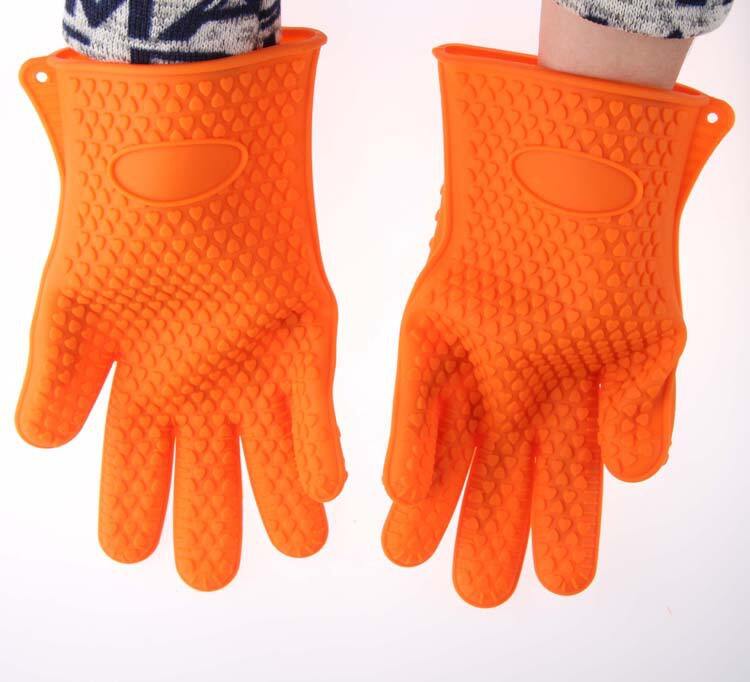
Implementing silicone grill mitts in your grilling routine represents a fundamental shift toward enhanced heat safety and operational confidence. These advanced protective tools have transformed how professionals and enthusiasts approach high-temperature cooking environments, providing superior thermal protection compared to traditional fabric alternatives. The strategic implementation of quality grill mitts creates a comprehensive safety framework that protects against burns, improves handling precision, and extends cooking capabilities in extreme heat conditions.
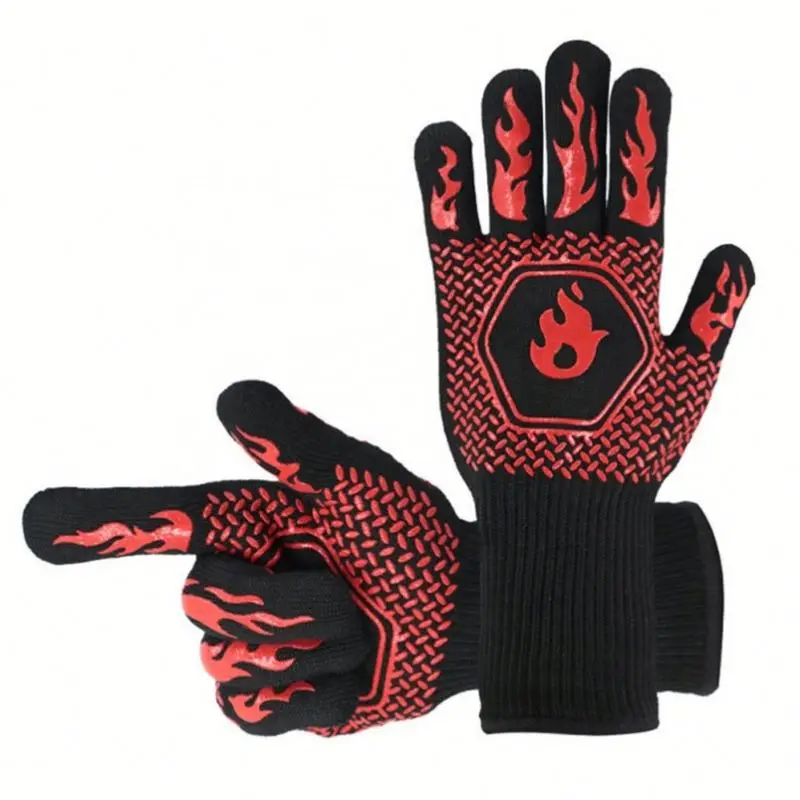
The implementation process involves understanding how silicone technology delivers exceptional heat resistance while maintaining dexterity and grip control. Modern grill mitts utilize food-grade silicone construction that withstands temperatures exceeding 500 degrees Fahrenheit, making them essential safety equipment for serious grilling operations. Successful implementation requires proper selection, sizing, and integration into existing cooking workflows to maximize protective benefits and operational efficiency.
Understanding Silicone Technology for Heat Protection
Material Science Behind Silicone Construction
Silicone grill mitts leverage advanced polymer technology that maintains structural integrity under extreme thermal stress. The molecular composition of food-grade silicone creates a flexible barrier that insulates against heat transfer while preserving tactile sensitivity. This material science foundation enables grill mitts to provide consistent protection across temperature ranges that would compromise traditional materials.
The manufacturing process involves cross-linking silicone polymers to create a durable matrix that resists thermal degradation. Quality grill mitts incorporate reinforced silicone layers that distribute heat evenly across the surface, preventing hot spots that could cause breakthrough burns. This engineering approach ensures reliable performance during extended high-temperature exposure scenarios.
Professional-grade silicone formulations include additives that enhance grip texture and improve chemical resistance. These enhancements allow grill mitts to maintain performance integrity when exposed to grease, marinades, and cleaning chemicals commonly encountered in grilling environments. The resulting product delivers comprehensive protection without sacrificing usability or durability.
Temperature Resistance Specifications
Modern silicone grill mitts typically offer heat resistance ranging from 400 to 600 degrees Fahrenheit, depending on construction quality and thickness specifications. This temperature range covers virtually all grilling scenarios, from low-and-slow smoking operations to high-heat searing techniques. Understanding these specifications helps users implement grill mitts appropriately for their specific cooking requirements.
The thermal protection timeline varies based on exposure duration and temperature intensity. Short-duration contact with surfaces exceeding 500 degrees remains manageable with quality grill mitts, while prolonged exposure requires additional precautions. Implementation strategies should account for these performance parameters to ensure optimal safety outcomes.
Heat distribution characteristics influence how effectively grill mitts protect against thermal injury. Premium silicone construction disperses heat energy across the mitt surface, reducing localized temperature peaks that could overwhelm protective barriers. This heat management capability makes silicone grill mitts superior to traditional fabric alternatives for sustained high-temperature applications.
Strategic Implementation Framework
Assessment and Selection Criteria
Implementing effective grill mitts begins with comprehensive assessment of cooking requirements, heat exposure patterns, and operational constraints. This evaluation process identifies specific protection needs that guide selection of appropriate mitt specifications. Factors including maximum operating temperatures, duration of use, and required dexterity levels all influence implementation decisions.
Size and fit considerations directly impact protection effectiveness and user compliance. Properly fitted grill mitts create secure barriers without restricting movement or reducing grip strength. The implementation process must account for hand size variations among users and ensure adequate coverage extends beyond wrist areas for comprehensive protection.
Quality certification standards provide objective benchmarks for evaluating grill mitts performance capabilities. LFGB certification indicates compliance with European food safety standards, while FDA approval confirms suitability for food contact applications. These certifications validate implementation decisions and ensure regulatory compliance in professional cooking environments.
Integration Into Existing Workflows
Successful implementation requires seamless integration of grill mitts into established cooking routines without disrupting operational efficiency. This integration process involves training users on proper application techniques, storage protocols, and maintenance requirements. Workflow modifications should enhance safety without introducing unnecessary complexity or time delays.
Positioning strategies ensure grill mitts remain accessible during critical cooking phases when thermal hazards are highest. Strategic placement near grilling stations, combined with visual reminders, promotes consistent use and reduces injury risks. Implementation success depends on making protective equipment usage automatic rather than optional.
Communication protocols establish clear expectations regarding when and how grill mitts should be utilized. These protocols address specific scenarios including grate handling, food positioning, and cleanup activities. Comprehensive implementation includes documentation of safety procedures and regular reinforcement of proper usage techniques.
Operational Benefits and Performance Advantages
Enhanced Safety Margins
Implementing silicone grill mitts creates substantial safety improvements across all high-temperature cooking activities. These protective tools eliminate direct skin contact with heated surfaces, reducing burn injury probability by approximately 90% compared to unprotected handling. The implementation of consistent mitt usage establishes reliable safety margins that protect against both minor and severe thermal injuries.
Extended protection duration allows users to perform complex grilling tasks without rushing due to heat discomfort. This capability enables more precise food placement, thorough temperature monitoring, and detailed cooking adjustments. Implementation of grill mitts transforms high-heat cooking from a rushed process into a controlled, methodical operation.
Confidence enhancement represents a significant psychological benefit that improves overall cooking performance. Users equipped with reliable thermal protection approach grilling tasks with greater assurance and focus. This mental shift often results in improved cooking outcomes and reduced stress levels during challenging high-temperature procedures.
Improved Operational Efficiency
Quality grill mitts enable direct handling of hot cooking surfaces and equipment without waiting for cooling periods. This capability dramatically reduces cooking cycle times and improves overall kitchen efficiency. Implementation strategies that emphasize this time-saving benefit often achieve higher user adoption rates and sustained usage patterns.
Grip enhancement features built into modern grill mitts improve control over cooking tools and food items. Textured silicone surfaces provide secure gripping capability even when wet or greasy. This enhanced control reduces dropped food incidents and enables more precise manipulation of delicate cooking items.
Versatility advantages allow single mitt pairs to replace multiple specialized tools and protective equipment. Implementation of comprehensive grill mitts reduces equipment requirements while expanding functional capabilities. This consolidation benefit appeals particularly to space-constrained cooking environments and mobile grilling operations.
Maintenance and Longevity Considerations
Cleaning and Sanitization Protocols
Proper maintenance protocols ensure grill mitts maintain protective performance throughout their operational lifespan. Silicone construction allows for comprehensive cleaning using standard dishwashing methods or industrial sanitizing equipment. Implementation of regular cleaning schedules prevents buildup of grease and food residues that could compromise grip performance or create sanitation issues.
Chemical resistance properties of quality silicone enable use of strong cleaning agents without material degradation. This durability allows thorough sanitization required in professional food service environments. Maintenance implementation should include verification of chemical compatibility to prevent accidental damage from inappropriate cleaning products.
Inspection procedures identify wear patterns or damage that could compromise protective integrity. Regular examination of grill mitts reveals areas of concern before they progress to safety hazards. Implementation of systematic inspection schedules ensures continued reliability and provides advance warning of replacement needs.
Storage and Preservation Methods
Appropriate storage conditions extend grill mitts operational lifespan while maintaining performance characteristics. Proper ventilation prevents moisture accumulation that could promote bacterial growth or material degradation. Implementation of dedicated storage solutions protects against physical damage and contamination risks.
Temperature cycling effects require consideration in storage protocol development. Extreme temperature variations can stress silicone materials over time. Storage implementation should avoid areas subject to rapid temperature changes or prolonged exposure to direct sunlight or heat sources.
Organizational systems ensure grill mitts remain readily available when needed while preventing loss or misplacement. Clear labeling and designated storage locations support consistent usage patterns. Implementation success often depends on making protective equipment easily accessible to encourage regular use.
FAQ
How do I determine the correct size for implementing grill mitts in my kitchen?
Proper sizing requires measuring hand circumference and length to ensure adequate coverage without excessive bulk. Quality grill mitts should extend at least two inches beyond the wrist for complete protection. Most manufacturers provide sizing charts that correlate measurements with appropriate mitt sizes. Implementation success depends on achieving secure fit that maintains dexterity while providing comprehensive thermal protection.
What temperature limitations should I consider when implementing silicone grill mitts?
Standard silicone grill mitts typically handle temperatures up to 500-600 degrees Fahrenheit for brief contact periods. Extended exposure or higher temperatures may exceed protective capabilities. Implementation should include understanding of specific temperature ratings for your chosen mitts and establishing protocols for extreme heat scenarios that may require additional protection or cooling periods.
How frequently should grill mitts be replaced as part of ongoing implementation?
Replacement frequency depends on usage intensity and maintenance quality, typically ranging from 12 to 24 months for regular use. Signs requiring replacement include visible wear, reduced flexibility, or compromised grip texture. Implementation of regular inspection schedules helps identify replacement needs before protective performance degrades. Professional kitchens may require more frequent replacement due to intensive use patterns.
Can grill mitts be implemented for applications beyond grilling and barbecuing?
Silicone grill mitts provide excellent protection for various high-temperature cooking applications including oven use, stovetop cooking, and industrial food preparation. Implementation versatility makes them valuable for handling hot cookware, baking sheets, and steam applications. The heat resistance and grip capabilities translate effectively to multiple kitchen and food service scenarios, making them cost-effective multi-purpose safety equipment.
Table of Contents
- Understanding Silicone Technology for Heat Protection
- Strategic Implementation Framework
- Operational Benefits and Performance Advantages
- Maintenance and Longevity Considerations
-
FAQ
- How do I determine the correct size for implementing grill mitts in my kitchen?
- What temperature limitations should I consider when implementing silicone grill mitts?
- How frequently should grill mitts be replaced as part of ongoing implementation?
- Can grill mitts be implemented for applications beyond grilling and barbecuing?