
 EN
EN



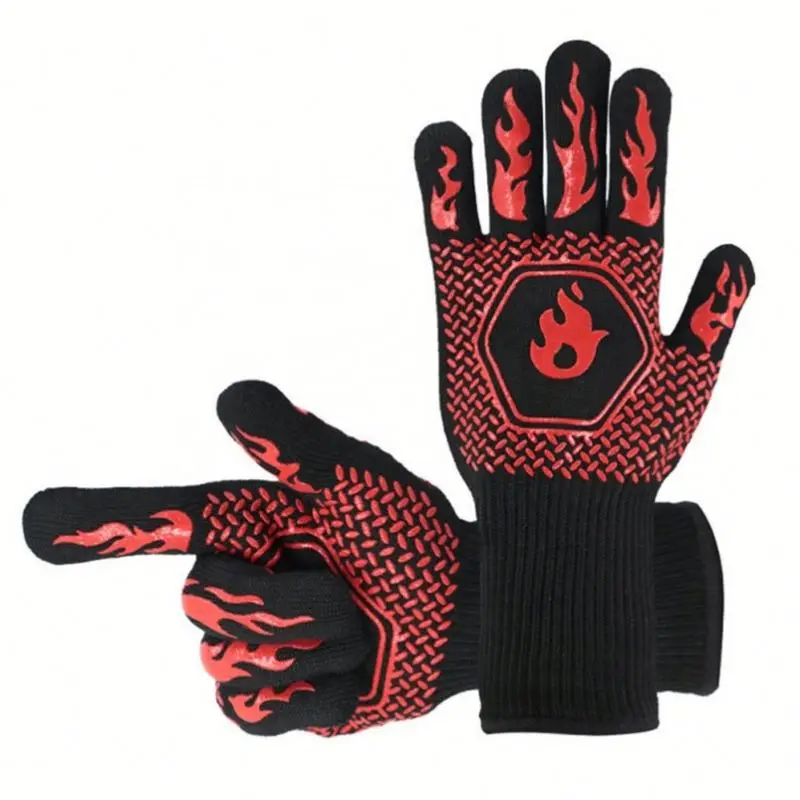
La cuisine offre de nombreuses occasions de blessures thermiques lors des activités quotidiennes de cuisson au four, ce qui rend les équipements de protection indispensables pour les boulangers amateurs. Comprendre le fonctionnement des gants de four comme barrière protectrice contre les brûlures implique d’examiner les mécanismes spécifiques qui protègent les mains des températures extrêmes rencontrées dans les tâches de cuisson courantes. Ces accessoires de protection spécialisés agissent grâce à plusieurs couches de défense, créant ainsi une barrière thermique efficace entre la peau et les sources de chaleur dangereuses couramment présentes dans les cuisines domestiques.
La protection contre la chaleur dans les environnements de cuisson domestique dépend de plusieurs facteurs critiques qui déterminent l’efficacité des équipements de protection thermique. Des gants de four professionnels utilisent des principes avancés de science des matériaux pour créer une résistance thermique contrôlée, empêchant le transfert de chaleur des surfaces chaudes vers la peau humaine pendant les opérations courantes de cuisson. La science de la prévention des brûlures repose sur la compréhension des mécanismes de transfert de chaleur et sur la mise en œuvre de barrières matérielles adaptées afin d’interrompre les voies dangereuses de conductivité thermique.
La science de la prévention du transfert de chaleur
Barrières à la conductivité thermique
Le transfert de chaleur se produit par trois mécanismes principaux : la conduction, la convection et le rayonnement, chacun nécessitant des stratégies de protection spécifiques dans les environnements de cuisson. Les gants de four créent des barrières thermiques efficaces en interrompant le transfert de chaleur par conduction, le mécanisme le plus dangereux pour les brûlures par contact direct lors des tâches de cuisson. Les matériaux utilisés dans les gants de four de qualité possèdent des propriétés de faible conductivité thermique, ce qui signifie qu’ils résistent au flux d’énergie thermique depuis les surfaces externes jusqu’à la peau protégée située en dessous.
Les couches isolantes des gants de four fonctionnent en piégeant des molécules d’air entre les fibres, créant ainsi des espaces d’air immobile qui réduisent considérablement les taux de transfert thermique. Ce principe explique pourquoi une construction multicouche s’avère plus efficace qu’une protection monocouche, car chaque barrière supplémentaire augmente le chemin de résistance thermique. Les boulangers professionnels s’appuient sur ce principe scientifique lorsqu’ils choisissent des équipements de protection pour des opérations à haute température impliquant des fours, des plaques de cuisinière et des ustensiles chauffés.
Composition des matériaux et niveaux de protection
Différents matériaux offrent des degrés variables de protection thermique, le silicone et les mélanges spécialisés de coton offrant une résistance à la chaleur supérieure à celle des options textiles classiques. Les gants de four en silicone forment une barrière imperméable au transfert de chaleur tout en conservant une grande souplesse, ce qui permet une manipulation précise du matériel de boulangerie. La structure moléculaire des matériaux en silicone reste stable à des températures élevées, empêchant toute dégradation susceptible de compromettre leur efficacité protectrice lors d’une utilisation prolongée.
Les gants de four en coton s’appuient sur les propriétés isolantes naturelles des fibres combinées à des traitements protecteurs supplémentaires afin d’améliorer leurs capacités de résistance à la chaleur. Ces matériaux agissent en créant plusieurs poches d’air au sein de la structure fibreuse, ralentissant ainsi efficacement la transmission de la chaleur à travers la barrière protectrice. La combinaison de matériaux naturels et synthétiques dans les gants de four modernes optimise à la fois le niveau de protection et l’ergonomie pratique pour les applications quotidiennes de boulangerie.
Mécanismes de protection lors des activités de cuisson au four
Protection contre le contact direct
La fonction principale des gants de four consiste à créer une interface protectrice entre la peau et les surfaces chauffées couramment rencontrées lors des opérations de cuisson au four. Lors du retrait d’éléments de fours fonctionnant à des températures comprises entre 175 et 230 degrés Celsius, un contact direct sans protection entraînerait immédiatement une lésion thermique. Gants de four interrompent ce chemin de transfert thermique en offrant une épaisseur d’isolation adéquate ainsi que des propriétés de résistance à la chaleur du matériau.
L'épaisseur du matériau protecteur est directement corrélée à la durée de protection thermique, permettant aux boulangers de manipuler en toute sécurité des ustensiles chauffés pendant de longues périodes sans ressentir d'inconfort ni subir de blessure. Des gants de four de qualité professionnelle conservent leurs propriétés protectrices même lorsqu'ils sont exposés à des cycles répétés à haute température, garantissant ainsi une protection constante tout au long des routines quotidiennes de boulangerie. Ce facteur de fiabilité s'avère crucial pour les boulangers amateurs qui manipulent fréquemment plusieurs éléments chauffés simultanément durant des projets de boulangerie complexes.
Protection contre la vapeur et l'humidité
Outre la protection contre la chaleur directe, les gants de four constituent une barrière essentielle contre les brûlures à la vapeur, qui représentent un risque important de blessure dans les environnements de boulangerie. La vapeur transporte de l’énergie thermique à des niveaux dangereux, notamment lors de l’ouverture des portes de four ou du retrait des couvercles des récipients chauffés au cours des procédés de cuisson. Les gants de four résistants à l’eau empêchent la pénétration de la vapeur tout en conservant leurs propriétés de protection thermique, offrant ainsi une protection complète contre plusieurs mécanismes de brûlure.
La construction étanche des gants de four de qualité empêche toute infiltration d’humidité susceptible de compromettre l’efficacité de la protection thermique. Les matériaux isolants humides conduisent la chaleur plus efficacement que les matériaux secs, ce qui peut réduire leur capacité protectrice lorsqu’ils sont exposés à l’humidité ou à la vapeur présente en cuisine. Les environnements professionnels de boulangerie exigent des gants de four capables de conserver leur intégrité protectrice même dans des conditions exigeantes impliquant à la fois la chaleur et l’humidité.
Caractéristiques de conception pour une prévention renforcée des brûlures
Protection par manchette allongée
Les modèles de gants de four à manchettes allongées offrent une protection essentielle de l’avant-bras lors des mouvements d’extension nécessaires pour accéder à des fours profonds ou manipuler de grands équipements de boulangerie. Les moufles classiques pour four offrent une couverture limitée du poignet, laissant la peau exposée vulnérable aux contacts accidentels avec les parois du four ou des surfaces chauffées. Les gants de four à manchettes allongées forment une barrière protectrice continue, allant des bouts des doigts jusqu’à l’avant-bras, réduisant ainsi considérablement le risque de brûlures pendant les manœuvres courantes de boulangerie.
La longueur de la zone protégée revêt une importance particulière lorsqu’on travaille avec des fours de type professionnel ou lorsqu’on manipule des plaques de cuisson surdimensionnées, qui exigent des mouvements d’extension plus amples. Les boulangers professionnels savent que les brûlures surviennent fréquemment aux points de transition où la protection cesse et où commence la peau exposée. Les gants de four à manchettes allongées éliminent ces zones vulnérables en assurant une couverture complète de toutes les surfaces cutanées susceptibles d’entrer en contact avec des éléments chauffés au cours des opérations de boulangerie courantes.
Amélioration de la prise en main et fonctionnalités de sécurité
Les surfaces texturées des gants de four améliorent la sécurité de la prise en main lors de la manipulation d'ustensiles de cuisine chauffés, évitant ainsi des chutes dangereuses pouvant entraîner des brûlures graves ou des accidents en cuisine. La combinaison de protection thermique et de fonctionnalité améliorée de préhension garantit que les boulangers et pâtissiers conservent un contrôle optimal sur des équipements de boulangerie lourds ou aux formes encombrantes, même lorsqu’ils portent des équipements de protection. Cette double fonctionnalité s’avère essentielle pour une manipulation sûre des ustensiles en fonte, des grands plats à rôtir lourds ou de plusieurs éléments simultanément pendant des procédures de boulangerie complexes.
L'articulation flexible des doigts offerte par des gants de four bien conçus permet une manipulation précise des ustensiles et équipements de boulangerie tout en assurant une protection thermique complète. Des équipements de protection rigides ou mal ajustés peuvent en réalité augmenter le risque de brûlures en réduisant l'agilité et le contrôle lors des opérations critiques de manutention. Les gants de four modernes allient exigences de protection et besoins pratiques d’utilisabilité, garantissant ainsi que les équipements de sécurité renforcent plutôt qu’entravent les bonnes pratiques de cuisson sécurisée.
Résistance à la température et limites de durée
Températures maximales tolérées
Comprendre les limitations de température des différents types de gants pour four permet de choisir le modèle adapté à des applications de cuisson spécifiques et d’éviter toute défaillance de protection lors d’opérations à haute température. Les maniques standard en coton offrent généralement une protection adéquate jusqu’à 400 degrés Fahrenheit, tandis que les variétés spécialisées en silicone peuvent résister à un contact direct avec des surfaces atteignant 500 degrés ou plus. Ces valeurs de température indiquent des capacités de contact continu, et non des limites d’exposition brève, qui peuvent être nettement supérieures.
Les gants de four professionnels sont souvent dotés de classes de température spécifiques qui aident les utilisateurs à comprendre les capacités et les limites de protection offertes dans différents scénarios de cuisson. Dépasser les limites de température spécifiées par le fabricant peut entraîner une dégradation du matériau, une réduction de l’efficacité protectrice ou même une défaillance totale de la protection lors d’utilisations critiques.
Considérations relatives à la durée de contact
La durée de contact sécurisé avec des surfaces chauffées dépend à la fois de l’écart de température et de la masse thermique de l’équipement protégé que l’on manipule. Les gants de four assurent une protection limitée dans le temps, la durée de manipulation sécurisée diminuant à mesure que les températures de surface augmentent au-delà des plages habituelles de cuisson. Comprendre ces limitations temporelles évite une confiance excessive dans les équipements de protection et réduit le risque de brûlures lors d’opérations de manipulation prolongées.
La saturation thermique se produit lorsque les gants de four absorbent suffisamment d’énergie thermique pour compromettre leur efficacité protectrice, ce qui nécessite de les retirer et d’observer des périodes de refroidissement entre des cycles d’utilisation prolongés. Les cuisines professionnelles disposent souvent de plusieurs jeux de gants de four afin d’assurer une protection continue pendant les opérations de boulangerie à forte cadence. Les boulangers amateurs travaillant sur de grands projets tirent profit de la compréhension de ces limites et planifient leurs séquences de manipulation en conséquence, afin de maintenir une protection constante contre les brûlures tout au long de leurs activités de boulangerie.
Techniques d’utilisation appropriées pour une protection maximale
Ajustement et application corrects
Un ajustement approprié garantit que les gants de four offrent une protection maximale sans créer de risques pour la sécurité en raison d’un matériau trop ample ou d’une restriction des mouvements. Des gants de four trop grands peuvent s’accrocher à l’équipement ou réduire la précision de la prise, tandis qu’une protection trop petite peut laisser des zones vulnérables exposées aux risques thermiques. Un ajustement correct permet une pleine mobilité des doigts tout en assurant une fixation sécurisée aux mains pendant tous les mouvements typiques de la pâtisserie et les opérations de manutention.
L’inspection préalable à l’utilisation des gants de four permet d’identifier d’éventuelles défaillances de la protection, telles que des zones usées, des coutures endommagées ou des surfaces contaminées, qui pourraient réduire l’efficacité de la protection thermique. Des programmes réguliers d’entretien et de remplacement garantissent que les équipements de protection conservent, tout au long de leur durée de vie utile, les performances spécifiées par le fabricant. Les environnements professionnels de boulangerie-pâtisserie mettent en œuvre des protocoles systématiques d’inspection afin de vérifier l’intégrité des gants de four avant chaque cycle d’utilisation.
Optimisation des techniques de manutention
Des techniques de manipulation efficaces permettent de réduire au minimum la durée d'exposition tout en maximisant l'efficacité de la protection lors des opérations courantes de cuisson impliquant des équipements chauffés. Des mouvements rapides et assurés réduisent le temps total d'exposition thermique, tandis qu'un contact hésitant ou prolongé augmente le risque de brûlure, même avec un équipement de protection adéquat. Une formation aux séquences appropriées de manipulation aide les boulangers amateurs à développer une mémoire musculaire leur permettant de manipuler en toute sécurité les équipements pendant les procédures de cuisson à haute température.
Une position stratégique et une planification des déplacements réduisent la nécessité d'étendre les bras de façon malhabile ou de se réajuster tout en portant des gants de four, limitant ainsi les risques de contact accidentel avec des surfaces chauffées. Les boulangers professionnels organisent leur espace de travail afin de favoriser des mouvements fluides et efficaces qui maintiennent l'exposition thermique dans des limites sûres pour leur équipement de protection. Ces techniques s'avèrent particulièrement utiles lors de projets de boulangerie complexes impliquant plusieurs éléments chauffés et des contraintes strictes de timing.
FAQ
Pendant combien de temps les gants pour four protègent-ils contre la chaleur directe du four ?
La plupart des gants pour four de qualité offrent une protection sûre pendant 15 à 30 secondes de contact direct avec des surfaces portées à des températures typiques de cuisson, soit entre 175 et 230 degrés Celsius (350 et 450 degrés Fahrenheit). Les gants pour four en silicone professionnels peuvent prolonger cette durée jusqu’à 45 à 60 secondes, selon la qualité de leur conception et l’écart de température. Un contact prolongé au-delà de ces durées permet à la chaleur de pénétrer la barrière protectrice et peut potentiellement provoquer des brûlures, même si un équipement de protection est porté.
Les gants pour four protègent-ils contre les brûlures par la vapeur pendant la cuisson ?
Des gants de four de haute qualité, dotés de propriétés hydrofuges, offrent une protection efficace contre les brûlures à la vapeur, fréquentes dans les environnements de boulangerie. La vapeur transporte une énergie thermique importante et peut provoquer des brûlures graves, même à travers certains matériaux protecteurs. Les gants de four en silicone et en coton spécialement traité constituent des barrières efficaces contre la pénétration de la vapeur ainsi que contre l’énergie thermique qu’elle transporte, ce qui les rend indispensables pour manipuler en toute sécurité des plats couverts et dans des environnements de four humides.
Quelles limites de température dois-je prendre en compte lors du choix de gants de four ?
Les maniques en coton standard offrent généralement une protection adéquate jusqu’à 400 degrés Fahrenheit, tandis que les modèles haut de gamme en silicone peuvent résister à un contact direct avec des surfaces atteignant 500 à 600 degrés. Tenez compte des températures habituelles de vos préparations et des types d’équipements utilisés pour choisir le niveau de protection adapté. Les boulangers professionnels ou ceux qui cuisinent fréquemment bénéficient d’une protection dotée d’une classification plus élevée afin d’assurer des marges de sécurité lors d’applications culinaires variées et d’expositions imprévues à des températures élevées.
Comment entretenir mes maniques à four pour une protection optimale contre les brûlures ?
Un nettoyage régulier empêche la contamination qui pourrait compromettre la protection thermique, tandis qu’un stockage approprié préserve l’intégrité du matériau entre les utilisations. Avant chaque utilisation, inspectez les gants de four pour détecter tout signe d’usure, de dommage ou de dégradation du matériau pouvant réduire leur efficacité protectrice. Remplacez immédiatement les gants de four si vous constatez des zones amincies, des coutures endommagées ou toute atteinte à la barrière protectrice, car une défaillance partielle de la protection peut entraîner des brûlures thermiques graves lors des activités de cuisson.
Table des matières
- La science de la prévention du transfert de chaleur
- Mécanismes de protection lors des activités de cuisson au four
- Caractéristiques de conception pour une prévention renforcée des brûlures
- Résistance à la température et limites de durée
- Techniques d’utilisation appropriées pour une protection maximale
-
FAQ
- Pendant combien de temps les gants pour four protègent-ils contre la chaleur directe du four ?
- Les gants pour four protègent-ils contre les brûlures par la vapeur pendant la cuisson ?
- Quelles limites de température dois-je prendre en compte lors du choix de gants de four ?
- Comment entretenir mes maniques à four pour une protection optimale contre les brûlures ?