
 EN
EN



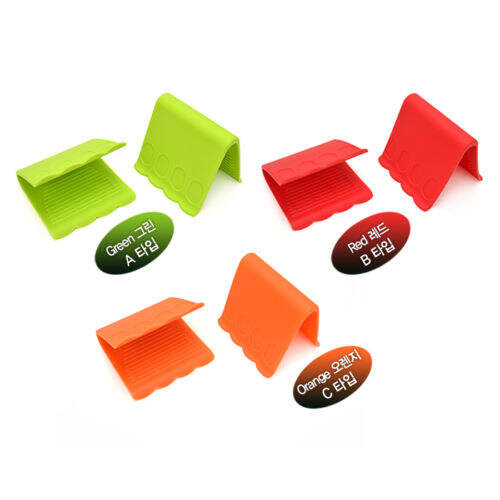
Bij het kiezen van beschermende handschoenen voor grillen en barbecue-activiteiten staan veel buitenlandse koks voor de keuze tussen grillmouwzakken en BBQ-handschoenen. Hoewel beide fundamenteel dienen om de handen te beschermen tegen extreme hitte, verschillen deze twee soorten beschermingsmiddelen sterk in ontwerpfilosofie, constructiemethode en praktische toepassing, waardoor elk beter geschikt is voor andere kooksituaties.
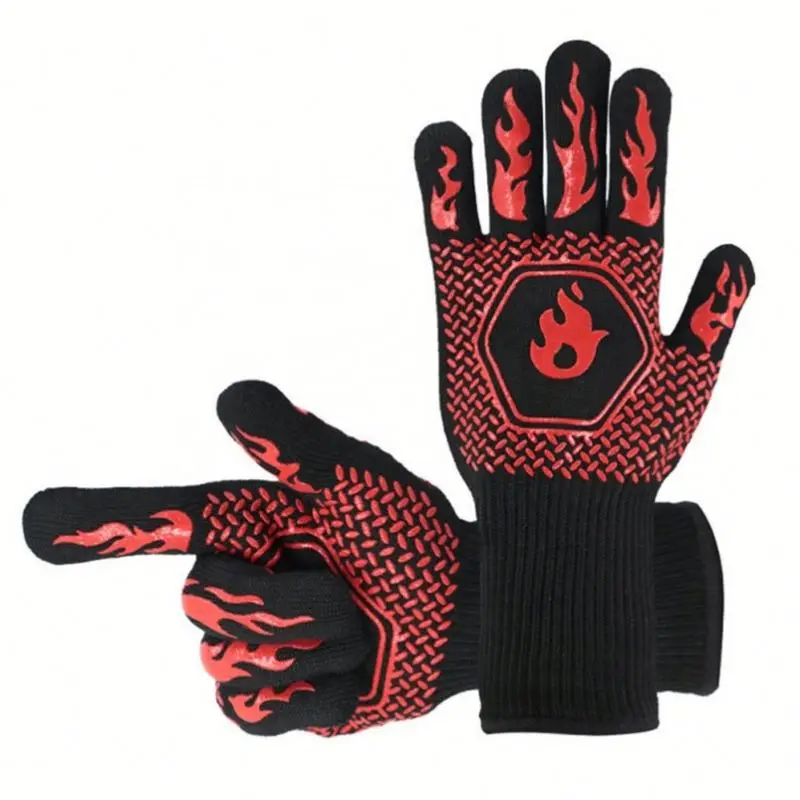
Het begrijpen van de specifieke kenmerken die grillmouwzakken onderscheiden van BBQ-handschoenen stelt u in staat om een weloverwogen keuze te maken op basis van uw kookstijl, de vereiste hittebestendigheid en uw behoefte aan fijne motoriek. De keuze tussen deze beschermingsmogelijkheden heeft direct invloed op uw veiligheid, comfort en algehele grillerervaring, waardoor dit onderscheid cruciaal is voor zowel gelegenheidskoks in de achtertuin als professionele barbecuespecialisten.
Verschillen in ontwerpstructuur en beschermingsomvang
Mouwzakachtige constructie van grillmouwzakken
Grillhandschoenen hebben een onderscheidend handschoenvormig ontwerp waarbij alle vingers, behalve de duim, samen in één compartiment zijn opgenomen. Deze constructie maximaliseert het oppervlak van hittebestendig materiaal rond elke vinger, waardoor een superieure thermische bescherming wordt geboden door meer isolatielagen. Het handschoenvormige ontwerp maakt dikker opvulmateriaal en uitgebreidere bedekking van de hand en vingers mogelijk.
Het gecombineerde vingercompartiment in grillhandschoenen reikt meestal tot aan de onderarm, vaak met een totale lengte van 33 tot 38 cm. Deze uitgebreide bedekking beschermt de pols en het onderste deel van de arm, die vaak blootstaan aan stralingswarmte wanneer men over hete grillroosters heen of in diepe kookruimten reikt. Het grotere bedekkingsgebied maakt grillhandschoenen bijzonder geschikt voor het hanteren van grote items zoals hele kippen, braadstukken of oversized kookgerei.
Veel grillhandschoenen hebben versterkte handpalm- en vingergebieden met meerdere lagen hittebestendige materialen zoals aramidevezels, siliconen of speciale katoenmixen. Door de handschoenvorm kunnen fabrikanten een dikkere isolatie aanbrengen zonder dat de algemene pasvorm wordt aangetast, aangezien de gedeelde vingerruimte extra beschermende lagen efficiënter opneemt dan afzonderlijke vingerruimten.
Afzonderlijke vingeropbouw van BBQ-handschoenen
BBQ-handschoenen behouden de traditionele vijfvingerhandschoenvorm, waarbij elke vinger in een eigen afzonderlijke huls zit. Dit ontwerp benadrukt handigheid en precieze handbewegingen boven maximale hittebescherming, waardoor gebruikers gedetailleerde taken kunnen uitvoeren die individuele vingercontrole vereisen. De afzonderlijke vingeropbouw zorgt voor een betere grip op gereedschap en een fijnere manipulatie van voedingsmiddelen.
Het ontwerp met afzonderlijke vingers resulteert doorgaans in een kortere totale lengte vergeleken met grillhandschoenen, waarbij de meeste BBQ-handschoenen 25 tot 30 cm van vingertop tot manchet uitsteken. Hoewel dit minder bescherming voor de onderarm biedt, vergemakkelijkt het ontwerp gemakkelijker beweging en vermindert het de omvang rond het polsgebied. De kortere lengte maakt BBQ-handschoenen ook geschikter voor taken die vaak handinbrenging en -verwijdering uit hittebronnen vereisen.
BBQ-handschoenen hebben vaak gegolfde oppervlakken op afzonderlijke vingertoppen en palmen om de greepkracht te verbeteren bij het hanteren van gladde of onregelmatig gevormde voorwerpen. De constructie met afzonderlijke vingers maakt gerichte versterking op slijtvaste gebieden mogelijk; vele modellen integreren verschillende materiaalcombinaties op specifieke vingers, gebaseerd op hun typische gebruikspatronen tijdens grillactiviteiten.
Hittebestendigheid en beschermingsmogelijkheden
Maximale temperatuurtolerantie
Grillhandschoenen bereiken over het algemeen hogere maximale temperatuurwaarderingen dankzij hun dikker constructie en grotere isolatiecapaciteit. Premium grillhandschoenen kunnen doorgaans temperaturen van 427 °C tot 538 °C weerstaan, waardoor ze geschikt zijn voor het hanteren van extreem hete oppervlakken zoals gietijzeren roosters, pizzastenen of direct contact met houtskool- en houtgloden.
De superieure hittebestendigheid van grillhandschoenen is te danken aan hun vermogen om dikker lagen isolatiemateriaal te integreren zonder dat dit aanzienlijk van invloed is op het gebruiksgemak. Het handschoenvormige ontwerp verdeelt de warmte over een groter oppervlak, waardoor de geconcentreerde warmteoverdracht naar één enkel punt op de hand wordt verminderd. Dit thermische verdelingseffect zorgt voor een langere contacttijd met hete oppervlakken voordat warmtedoorgang ongemakkelijk of gevaarlijk wordt.
BBQ-handschoenen bieden doorgaans een temperatuurbestendigheid van 260 °C tot 370 °C, wat voldoende bescherming biedt tegen de meeste barbecue-situaties, maar mogelijk ontoereikend is bij extreme hitte-toepassingen. Het dunne profiel dat nodig is om vingervlugheid te behouden, beperkt de hoeveelheid isolatiemateriaal die in de handschoenconstructie kan worden verwerkt, wat resulteert in een lagere algehele hittebestendigheid vergeleken met grillmouwen.
Duur van de blootstelling aan hitte
Grillmouwen onderscheiden zich in situaties waarbij langdurig contact met hete oppervlakken vereist is, aangezien hun grotere thermische massa en isolatie uitgebreidere bescherming bieden voordat warmteoverdracht problematisch wordt. Deze eigenschap maakt grillmouwen ideaal voor taken zoals het herschikken van brandende houtblokken, het hanteren van heet kookgerei gedurende langere tijd of het werken met grote stukken vlees die een duurzame greep en manipulatie vereisen.
De warmtebehoudseigenschappen van grillhandschoenen betekenen ook dat ze langere afkoelingsperioden tussen gebruik nodig hebben bij blootstelling aan extreme temperaturen. De dikke isolatie die superieure bescherming biedt, houdt bovendien de warmte langer vast, waardoor continu gebruik tijdens langdurige kooksessies mogelijk moeilijker wordt. Gebruikers moeten voldoende afkoeltijd inlassen om warmteopbouw binnen de binnenzijde van de handschoenen te voorkomen.
BBQ-handschoenen bieden een kortere tolerantie voor hitteblootstelling, maar zorgen dankzij hun dunne constructie voor snellere warmteafvoer. Dit kenmerk maakt BBQ-handschoenen geschikter voor snelle taken die slechts kort contact met hete oppervlakken vereisen, zoals het omdraaien van individuele stukken vlees, het bijstellen van luchtopeningen of het hanteren van kookgerei. De kortere afkoeltijd maakt frequent gebruik tijdens actieve kookperiodes mogelijk.
Overwegingen rond handigheid en functionaliteit
Nauwkeurigheid en fijne motorische controle
BBQ-handschoenen bieden een aanzienlijk betere vingervlugheid dan grillwanten, waardoor nauwkeurige manipulatie van kleine voorwerpen, zorgvuldige verwerking van gevoelig voedsel en gedetailleerde bediening van gereedschap mogelijk is. Het ontwerp met afzonderlijke vingers maakt pincergrepen mogelijk, nauwkeurige positionering van thermometerprobes en voorzichtig aanbrengen van kruiden tijdens het kookproces. Deze verbeterde controle maakt BBQ-handschoenen de voorkeurskeuze voor wedstrijd-barbecue of gedetailleerd werk rondom voedselpresentatie.
De vingerscheiding in BBQ-handschoenen stelt gebruikers in staat om touchscreenbediening van smartphones uit te voeren, instellingen van digitale thermometers aan te passen of klein gereedschap zoals schroeven en bouten te hanteren bij onderhoud van de grill. Deze technologische compatibiliteit is steeds belangrijker geworden nu digitale temperatuurbewaking en via smartphones bestuurde kookapparaten in opkomst zijn onder serieuze barbecueliefhebbers.
Grillhandschoenen offeren bescherming ten koste van precisie, waardoor gedetailleerde manipulatie lastig is, maar ze bieden uitstekende mogelijkheden voor grove motorische taken. Het muisvormige ontwerp werkt goed bij het vastpakken van grote handvatten, het optillen van zwaar kookgerei of het verplaatsen van omvangrijke stukken vlees, maar is minder geschikt voor taken die individuele vingercontrole of een fijne aanraakgevoeligheid vereisen.
Gereedschapshandeling en gripveiligheid
De gestructureerde oppervlakken die veelal op BBQ-handschoenen voorkomen, zorgen voor een superieure grip op kookgerei; vele modellen zijn voorzien van speciale patronen op de palm en vingergebieden om de grip op gereedschap te verbeteren. Het ontwerp met afzonderlijke vingers maakt juiste greeptechnieken mogelijk, zoals de hamergreep voor tangen en de precisiegrip voor bestrijkborstels of temperatuursondes.
Grillhandschoenen bieden uitstekende gripveiligheid voor grote voorwerpen, maar kunnen onhandig zijn bij het hanteren van standaard kookgerei dat is ontworpen voor bediening met vijf vingers. Door het handschoenvormige ontwerp kan het moeilijk zijn om de handvatten van gerei goed vast te pakken, wat mogelijk leidt tot gevallen bestek of verminderde controle tijdens cruciale kookmomenten. Grillhandschoenen zijn echter uitermate geschikt voor het hanteren van oversized items zoals grote braadstukken, hele kalkoenen of zwaar gietijzeren kookgerei.
Veel moderne BBQ-handschoenen zijn voorzien van gripverhogende functies, zoals siliconenpatronen, verhoogde stippen of speciale rubberverbindingen op de contactvlakken. Deze verbeteringen zorgen voor betrouwbare houvast van gerei, zelfs wanneer de handschoenen nat raken door marinades, schoonmaak of condensatie, en behouden zo veiligheid en controle gedurende langdurige kooksessies.
Materiaalopbouw en duurzaamheidsfactoren
Veelvoorkomende materiaalsamenstellingen
Grillhandschoenen maken doorgaans gebruik van meerdere lagen materiaal om hun superieure hittebestendigheid te bereiken; vaak worden aramidevezel-buitenschillen gecombineerd met katoenen of synthetische isolatiekernen en hittebestendige voeringmaterialen. Door de handschoenvorm is het mogelijk om dikker materiaal te gebruiken zonder dat dit aanzienlijk invloed heeft op de pasvorm aan de hand, waardoor fabrikanten bij de materiaalkeuze prioriteit kunnen geven aan bescherming boven flexibiliteit.
Grillhandschoenen op basis van siliconen zijn populair geworden vanwege hun uitzonderlijke hittebestendigheid en gemakkelijke reinigbaarheid, vaak met een gestructureerd oppervlak voor verbeterde grip. Deze siliconenmodellen bieden doorgaans een temperatuurbestendigheid van meer dan 427 °C (800 °F) en verlenen tegelijkertijd waterdichte bescherming en eenvoudig onderhoud via de vaatwasser of door wassen met zeep en water.
BBQ-handschoenen maken doorgaans gebruik van dunner materiaal om de vingervlugheid te behouden, vaak met leer, kunstleer of speciale textielcombinaties. Hoogwaardige BBQ-handschoenen kunnen aramidevezels of andere hittebestendige materialen in kritieke gebieden bevatten, terwijl soepeler materialen worden gebruikt in zones waar meer bewegingsvrijheid en tactiele gevoeligheid vereist zijn.
Lengte van gebruik en onderhoudseisen
De robuuste constructie van grill-mitsen biedt over het algemeen een grotere levensduur dan BBQ-handschoenen, omdat de dikker materiaalprofielen en eenvoudigere constructie slijtpunten en spanningsconcentraties verminderen. Het mitsontwerp elimineert de naadverbindingen tussen de vingers die bij handschoenen vaak uitvallen, terwijl de dikker materiaalconstructie beter bestand is tegen doorboor- en scheurkrachten en hitteafbraak.
Onderhoudseisen variëren aanzienlijk tussen materiaalsoorten: siliconen-grillhandschoenen vereisen het minst onderhoud en kunnen eenvoudig worden gewassen, terwijl textielmodellen vaak speciale reinigingsprocedures vereisen om hun hittebestendige eigenschappen te behouden. De uitgebreidere bedekking van grillhandschoenen kan grondiger reiniging vereisen vanwege het grotere oppervlak dat blootstaat aan vet en voedseldeeltjes.
BBQ-handschoenen tonen meestal sneller slijtage op belaste delen zoals de vingertoppen en de contactpunten met de palm, wat frequentere vervanging vereist om een adequate beschermingsgraad te behouden. De kortere lengte en eenvoudigere reinigingsvereisten van de meeste BBQ-handschoenmodellen kunnen echter een deel van de onderhoudscomplexiteit compenseren, vooral voor gebruikers die gemak boven maximale duurzaamheid verkiezen.
Veelgestelde vragen
Kan ik grillhandschoenen gebruiken voor ovenkoken en bakken?
Ja, grillhandschoenen werken uitstekend voor gebruik in de oven en bieden vaak superieure bescherming vergeleken met traditionele ovende handschoenen vanwege hun hogere temperatuurbestendigheid en uitgebreidere bedekking. De hittebestendigheid van kwalitatief hoogwaardige grillhandschoenen overschrijdt doorgaans de temperaturen die voorkomen bij huishoudelijke oventoepassingen, waardoor ze veelzijdig inzetbaar zijn, zowel voor buitenbarbecues als voor binnenshuis kooktaken.
Bieden BBQ-handschoenen voldoende bescherming bij het hanteren van hete houtskool?
BBQ-handschoenen kunnen kortdurig contact met hete houtskool verdragen, maar grillhandschoenen bieden superieure bescherming bij directe manipulatie van houtskool dankzij hun dikker isolatiemateriaal en hogere temperatuurbestendigheid. Voor taken waarbij brandende kooltjes moeten worden verplaatst of bij langdurig contact met extreem hete oppervlakken, bieden grillhandschoenen veiliger en comfortabelere bescherming.
Welke optie werkt beter voor het roken van vlees gedurende lange kooktijden?
De keuze hangt af van uw specifieke taken tijdens het roken. BBQ-handschoenen zijn uitstekend geschikt voor frequente temperatuurcontroles, het hanteren van vlees en het aanpassen van apparatuur vanwege hun superieure beweeglijkheid. Grill-mutsen zijn beter geschikt voor het hanteren van hete onderdelen van de rookkachel, het toevoegen van brandstof of het verplaatsen van grote stukken vlees, waarbij maximale bescherming prioriteit heeft boven precieze vingerbediening.
Hoe bepaal ik de juiste maat voor grill-mutsen versus BBQ-handschoenen?
Grill-mutsen gebruiken doorgaans een universele maat vanwege hun mutsvorm, waarbij de meeste modellen geschikt zijn voor een breed scala aan handmaten dankzij de ruime binnenzijde. BBQ-handschoenen vereisen een nauwkeurigere maatbepaling, vergelijkbaar met werkhandschoenen, met metingen op basis van de omtrek van de hand en de lengte van de vingers om een juiste pasvorm te garanderen en de voordelen van beweeglijkheid te behouden.