
 EN
EN



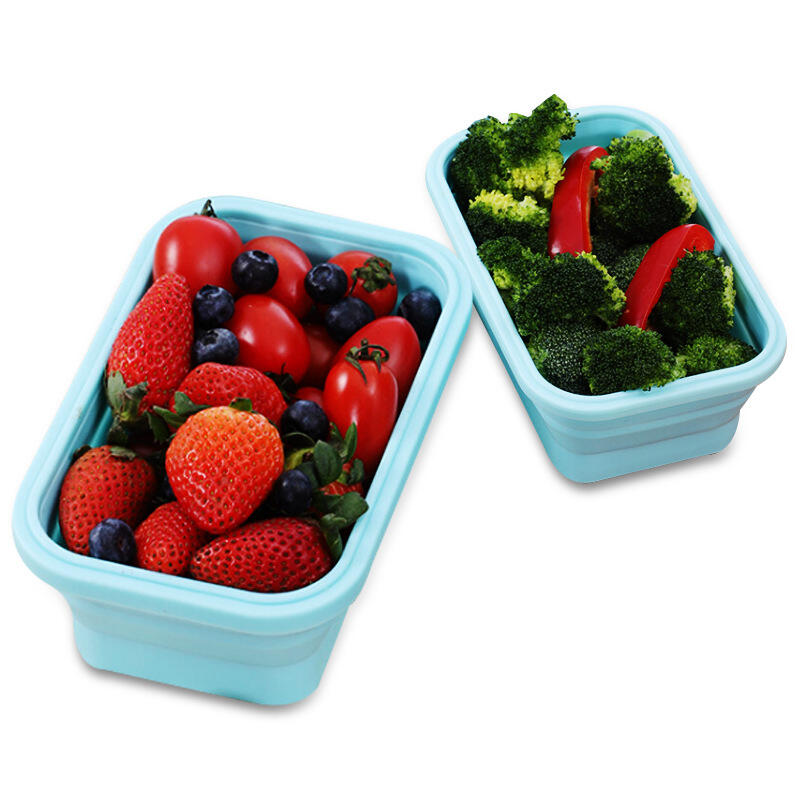
The way we carry and store food says a lot about the choices we make every day. A silicone lunch box with a secure lid has emerged as one of the most practical and environmentally responsible options available for professionals, parents, and anyone who values both convenience and sustainability. Unlike single-use plastics or flimsy containers that crack and warp after a few uses, a well-made silicone lunch box is built to last, reducing waste and long-term cost at the same time.
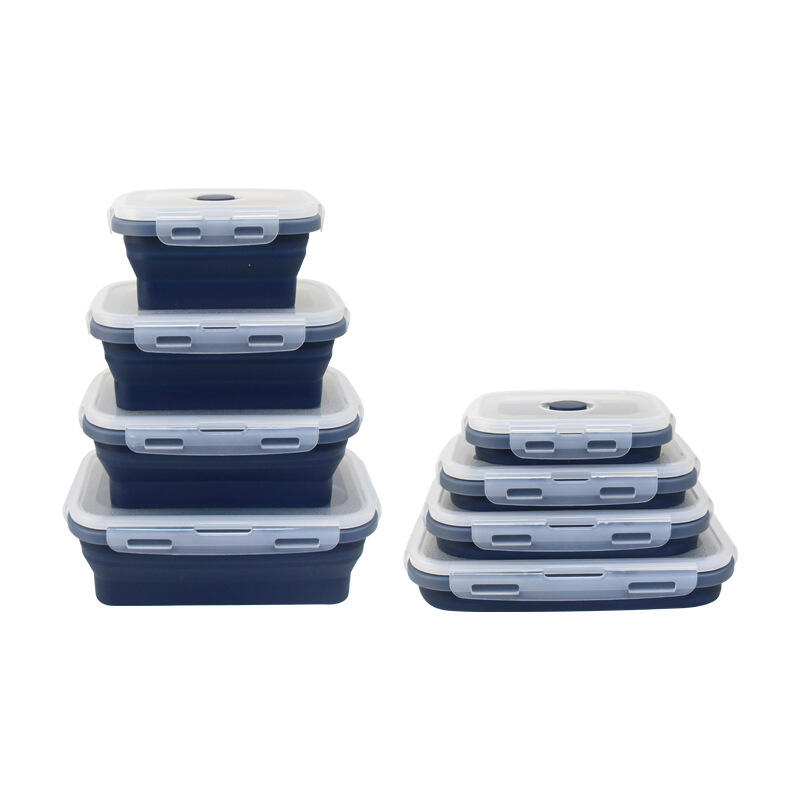
Sustainability is no longer a niche concern — it is a mainstream expectation in both consumer and B2B markets. Businesses sourcing food-grade containers, schools equipping cafeterias, and individuals making daily purchasing decisions are all asking the same question: is this product good for people and the planet? The silicone lunch box answers that question with a clear yes, backed by material science, regulatory compliance, and real-world durability that outlasts most alternatives on the market today.
Why Silicone Is a Genuinely Sustainable Material
The Environmental Profile of Food-Grade Silicone
Silicone is derived from silica, one of the most abundant natural elements on earth. While its production does involve industrial processing, the resulting material is far more durable and reusable than conventional plastics, which means its environmental footprint per use cycle is significantly lower. A single silicone lunch box can replace hundreds of disposable containers over its lifetime, which directly reduces the volume of plastic waste entering landfills and oceans.
Food-grade silicone does not leach harmful chemicals into food, even when exposed to high temperatures. This is a critical distinction from many plastic containers, which can release BPA, phthalates, or other endocrine-disrupting compounds when heated. The silicone lunch box maintains its chemical stability whether it is used in a microwave, a freezer, or a dishwasher, making it a safer long-term choice for daily food contact.
At the end of its usable life, silicone can be processed through specialized recycling streams. While it is not biodegradable in the traditional sense, its longevity means it rarely reaches that stage quickly. A quality silicone lunch box used consistently over several years represents a far smaller environmental burden than the dozens of plastic containers it replaces.
Comparing Longevity Across Container Materials
Plastic containers, even those marketed as durable, tend to degrade over time. They absorb odors, stain easily, and develop micro-cracks that harbor bacteria. Glass containers are hygienic and non-reactive, but they are heavy and prone to breakage, which limits their practicality for daily commuting or school use. Stainless steel is robust but lacks the flexibility and microwave compatibility that many users need.
The silicone lunch box occupies a unique position in this landscape. It is lightweight, flexible enough to resist cracking under pressure, and resilient across a wide temperature range — typically from around -40°C to over 200°C. This thermal versatility means the same container can go from freezer storage to microwave reheating without any degradation in material quality or food safety.
For B2B buyers sourcing containers in volume — whether for corporate meal programs, school catering, or retail distribution — the durability of a silicone lunch box translates directly into lower replacement costs and fewer customer complaints. The upfront investment is higher than disposable alternatives, but the total cost of ownership over time is substantially lower.
The Role of the Lid in Sustainable Design
Sealing Performance and Food Preservation
A silicone lunch box is only as effective as its lid. The lid is not merely a cover — it is the component that determines whether food stays fresh, whether liquids stay contained, and whether the container is genuinely practical for everyday use. A well-engineered lid creates an airtight or near-airtight seal that extends the freshness of packed meals, reducing food waste at the individual level.
Silicone lids have a natural advantage here. The material's flexibility allows it to conform to the rim of the container, creating a reliable seal without requiring complex locking mechanisms. Many silicone lunch box designs incorporate a silicone gasket or a snap-fit lid that holds firmly during transport but releases easily when opened. This balance between security and usability is difficult to achieve with rigid plastic lids, which often either seal too loosely or require excessive force to open.
From a sustainability standpoint, better sealing means less food spoilage. When meals stay fresh longer, users are less likely to discard uneaten food, which contributes to reducing overall food waste — a significant environmental issue in its own right. The silicone lunch box with a quality lid thus supports sustainability not just through material choice but through functional design.
Lid Durability and Replacement Considerations
One of the most common failure points in any food container system is the lid. Plastic lids crack, warp in the dishwasher, or lose their sealing ability after repeated use. When the lid fails, the entire container often becomes unusable, even if the base is still in perfect condition. This creates unnecessary waste and additional cost.
Silicone lids are far more resistant to this type of degradation. They maintain their shape and sealing properties through hundreds of wash cycles and do not become brittle with age. For a silicone lunch box designed for long-term use, the lid is expected to last as long as the container itself, which is a meaningful advantage for both individual consumers and bulk buyers managing inventory.
In product development and sourcing contexts, the lid design is often where quality differentiation becomes most visible. Buyers evaluating a silicone lunch box for commercial or institutional use should assess lid fit, seal integrity under pressure, ease of cleaning, and resistance to deformation at high temperatures. These factors collectively determine whether the product delivers on its sustainability promise over time.
Practical Sustainability in Everyday Use
Reducing Single-Use Plastic Dependence
The most direct sustainability benefit of a silicone lunch box is the reduction in single-use plastic consumption. Every time a reusable silicone lunch box is used instead of a disposable plastic bag, cling wrap, or takeaway container, a unit of plastic waste is prevented from entering the waste stream. Over the course of a year, a single user making daily use of a silicone lunch box can eliminate hundreds of single-use plastic items.
For organizations — schools, corporate offices, food service providers — the impact scales proportionally. Equipping a workforce or student body with reusable silicone lunch boxes as part of a sustainability initiative creates measurable, reportable reductions in plastic consumption. This kind of initiative aligns with corporate social responsibility goals and increasingly with regulatory requirements in markets that are phasing out single-use plastics.
The silicone lunch box also supports behavioral change. When people have a high-quality, convenient reusable container, they are more likely to pack meals from home rather than relying on takeaway packaging. This shift in behavior compounds the environmental benefit beyond just the container itself, reducing packaging waste across the entire meal preparation and consumption chain.
Cleaning, Maintenance, and Hygiene Over Time
A sustainable product must also be practical to maintain. A silicone lunch box is dishwasher safe, which makes cleaning straightforward and consistent. Silicone's non-porous surface resists the absorption of food odors and stains, which is a common problem with plastic containers that have been used repeatedly over time. This means the container remains hygienic and visually clean without requiring special cleaning products or intensive scrubbing.
The ease of cleaning also contributes to the product's longevity. Containers that are difficult to clean properly tend to be discarded sooner, either because of hygiene concerns or because the effort required makes them impractical. A silicone lunch box that cleans easily and thoroughly is one that users will continue to use, which is the foundation of any genuinely sustainable product.
For food service and institutional buyers, hygiene compliance is a non-negotiable requirement. Food-grade silicone meets the standards set by major regulatory bodies, including FDA and LFGB certifications, which confirm that the material is safe for direct food contact. Sourcing a silicone lunch box with verified certifications ensures that sustainability and safety requirements are met simultaneously.
Sourcing and B2B Considerations for Silicone Lunch Boxes
What Buyers Should Evaluate in Product Specifications
For businesses sourcing a silicone lunch box in volume, product specifications go beyond basic dimensions and color options. The grade of silicone used — whether it meets food-grade standards and carries relevant certifications — is the first and most important criterion. Platinum-cured silicone is generally considered the highest quality option, offering superior purity and stability compared to peroxide-cured alternatives.
Wall thickness and structural integrity are also important. A silicone lunch box that is too thin may flex excessively, making it difficult to handle when full. The lid mechanism should be evaluated for ease of use across different user groups, including children and elderly users if the product is intended for broad distribution. Compartment design, if applicable, affects how well the container manages different food types without cross-contamination.
Temperature ratings should be verified against the intended use case. A silicone lunch box used primarily for cold storage has different requirements than one intended for microwave reheating or oven use. Buyers should request clear documentation of temperature tolerances and confirm that these ratings are consistent with the certifications provided.
Customization and Brand Alignment for Sustainable Initiatives
Many organizations sourcing a silicone lunch box for corporate gifting, employee wellness programs, or branded retail want the option to customize the product with logos, colors, or messaging. Silicone is well-suited to customization — it accepts color pigmentation uniformly and can be molded into a wide range of shapes and sizes without compromising material integrity.
For sustainability-focused brands, the ability to align the product's visual identity with environmental messaging is valuable. A silicone lunch box in a brand's signature color, carrying a sustainability tagline, becomes both a functional product and a communication tool. It signals the organization's values every time it is used, reinforcing brand identity in a practical, everyday context.
When evaluating suppliers for customized silicone lunch box orders, buyers should assess minimum order quantities, lead times, sampling processes, and quality control procedures. A supplier that provides pre-production samples and supports iterative design review is better positioned to deliver a product that meets both functional and brand requirements consistently across large production runs.
FAQ
Is a silicone lunch box safe for children to use?
Yes, a food-grade silicone lunch box is safe for children. It does not contain BPA, phthalates, or other harmful chemicals, and it meets food safety standards set by regulatory bodies such as the FDA and LFGB. Its flexibility also makes it less likely to cause injury if dropped, which is a practical advantage for school use.
Can a silicone lunch box be used in the microwave and freezer?
A quality silicone lunch box is designed to handle a wide temperature range, typically from well below freezing to over 200°C. This makes it suitable for both freezer storage and microwave reheating. Always verify the specific temperature ratings provided by the manufacturer, as these can vary depending on the silicone grade and product design.
How long does a silicone lunch box typically last?
With regular use and proper care, a silicone lunch box can last many years — often a decade or more. Silicone does not degrade, crack, or warp under normal use conditions, and it maintains its sealing and structural properties through hundreds of wash cycles. This longevity is a core part of what makes it a sustainable choice compared to disposable or short-lived plastic alternatives.
What certifications should I look for when sourcing a silicone lunch box?
The most commonly recognized certifications for a silicone lunch box are FDA approval (United States) and LFGB certification (European Union). These confirm that the silicone material is safe for direct food contact. For markets with specific regulatory requirements, buyers should request documentation confirming compliance with the relevant local standards before placing bulk orders.