
 EN


The Outdoor Cooking Playbook: Why Stainless Steel BBQ Tongs Matter in the Next Wave of Camping Gear
A procurement and product-development guide for brands building durable, reusable and private-label barbecue tools for outdoor consumers.
Overview
Outdoor cooking is becoming a more structured product category. Campers, families and recreational users increasingly expect portable cooking equipment to be easy to clean, durable enough for repeated trips and consistent with the broader shift toward reusable outdoor gear. For importers and private-label brands, that change turns a basic barbecue accessory into a product-development and sourcing decision.
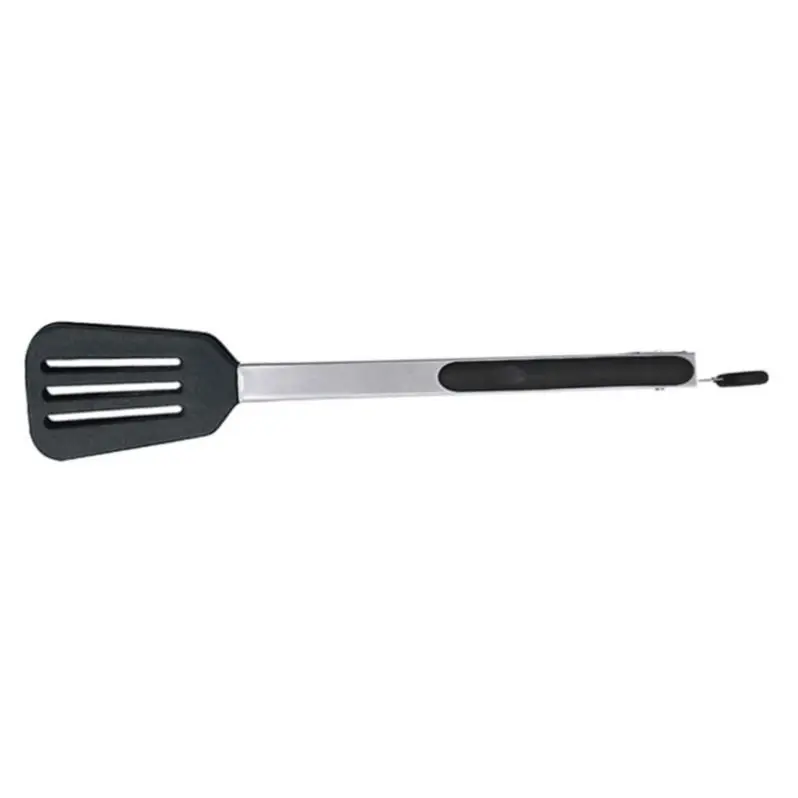
Stainless steel BBQ tongs sit at the center of this discussion because they connect three buyer expectations: reliable food handling, practical outdoor durability and a clean product story. The opportunity is not created by adding unsupported claims. It comes from specifying the right material, controlling the joint and edge quality, and aligning the finished tool with the way consumers actually cook, transport and clean it.
For Hanchuan Industrial Group, the supplied product direction is clear: stainless steel BBQ tongs for outdoor camping. This industry guide outlines the major trend signals and the engineering questions that should shape a B2B product program. Exact steel grade, dimensions, testing, certifications and packaging remain configuration-specific items for technical confirmation.
Industry Dynamics at a Glance
| Trend / Market Shift | What It Means for the Category | B2B Response |
|---|---|---|
| Trend signal | Outdoor cooking is moving from occasional use to repeatable lifestyle use | Design for packability, repeated handling, cleaning access and reliable grip rather than one-time appearance alone. |
| Material direction | Reusable metal tools remain relevant in durable outdoor-kitchen assortments | Specify the stainless steel grade, finish and component construction instead of using a generic material label. |
| Quality expectation | Consumers notice small failures in hand tools: loose pivots, rough edges and difficult cleaning | Use functional cycling, edge inspection and cleaning checks in the approval plan. |
| Retail opportunity | Camping and BBQ tools are often sold as coordinated sets or private-label programs | Plan the tong as an individual SKU, set component or branded gift item with matched packaging. |
| Compliance discipline | Sustainability and performance language is receiving closer buyer scrutiny | Substantiate claims with configuration-specific documents and avoid unverified certification language. |
Challenge 1: From Occasional Tool to Repeatable Outdoor Gear
The first market challenge is the gap between attractive product imagery and dependable field use. A tong may look suitable for camping but still perform poorly when the user is turning heavier food, working beside a portable grill or wearing protective gloves. Outdoor cooking also introduces uneven work surfaces, limited preparation space and transport in a crowded equipment bag.
The engineering response is to treat grip control as a system. Arm length, jaw profile, pivot resistance and handle geometry should be reviewed together. A buyer should test opening force, jaw alignment and repeated turning with representative food loads. The result is a more defensible product brief than simply specifying a visual style.
Challenge 2: Durability, Hygiene and Material Evidence
The second challenge is the interaction between durability, hygiene and environmental exposure. BBQ tools contact oil, marinades, food residue and moisture. In camping conditions, a tong may be stored before it is completely dry. A surface that is difficult to clean or a joint that traps residue can quickly affect the user's perception of quality.
Stainless steel is a practical platform for this category, but the phrase alone does not define the product. The procurement file should identify the actual grade, surface finish, edge condition and any non-stainless components. The buyer should also define the cleaning method used for validation. Dishwasher suitability, corrosion resistance and heat-related claims must be confirmed for the selected configuration rather than assumed.
The Engineering Breakthrough: Specification Before Storytelling
The strongest product programs combine a simple user proposition with a disciplined specification. For stainless steel BBQ tongs, that means making the everyday benefits visible—controlled handling, cleanable construction, durable finish and useful storage—while keeping technical claims traceable.
Hanchuan Industrial Group can support this direction by aligning product samples, drawings, material declarations, inspection criteria and packaging development before mass production. For private-label customers, the same workflow can be extended to logo treatment, retail copy, set composition and carton configuration. The commercial value comes from reducing ambiguity between the sample, the purchase order and the final shipment.
Manufacturing Footprint and Supply Chain Integrity
A reliable outdoor-tool supply chain should make quality measurable. Buyers should request the selected model's dimensional information, material documentation, sample approval record and inspection checklist. They should also clarify which operations are controlled by the factory and which are managed by qualified partners.
A practical quality gate can include visual inspection, burr and edge checks, pivot movement, repeated opening-and-closing cycles, surface review after cleaning simulation and packaging inspection. The exact test levels should be agreed in advance. This approach protects both sides: the buyer receives a clearer acceptance basis, and the manufacturer avoids vague claims that cannot be verified.
Applications and Project Scenarios
Strategic and Technical FAQ
What is driving demand for better outdoor BBQ tools?
The category is being shaped by repeat outdoor use, portability, cleanability and the expectation that reusable gear should remain reliable across multiple trips. These are market-direction observations, not a forecast of a specific sales volume.
Why choose stainless steel for BBQ tongs?
Stainless steel offers a durable and cleanable material platform. The actual grade, finish and assembly still need to be confirmed for the selected model.
What should a buyer verify before placing a private-label order?
Verify drawings, material grade, surface finish, edge condition, joint behavior, packaging, labeling, inspection criteria and any requested testing or certification evidence.
Can the tongs be developed for camping sets?
They can be evaluated as a set component, subject to the selected structure, tooling, order quantity, accessory matching and packaging requirements.
Are heat-resistance and dishwasher claims ready to publish?
Not from the current brief. Those claims require configuration-specific materials and test evidence before publication.
How should sustainability language be handled?
Use precise, evidence-based wording about reusable construction or material composition. Avoid broad environmental claims unless the buyer has supporting documentation and an approved claim framework.
What is the next technical step?
Confirm the target model, dimensions, steel grade, finish, packaging format and validation tests, then approve a sample against the written specification.
 Hot News